The Importance of Core Strength in Spinal Rehabilitation and Injury Prevention explores targeted strategies for recovery. Discover new paths to mobility, healing, and personalized care.

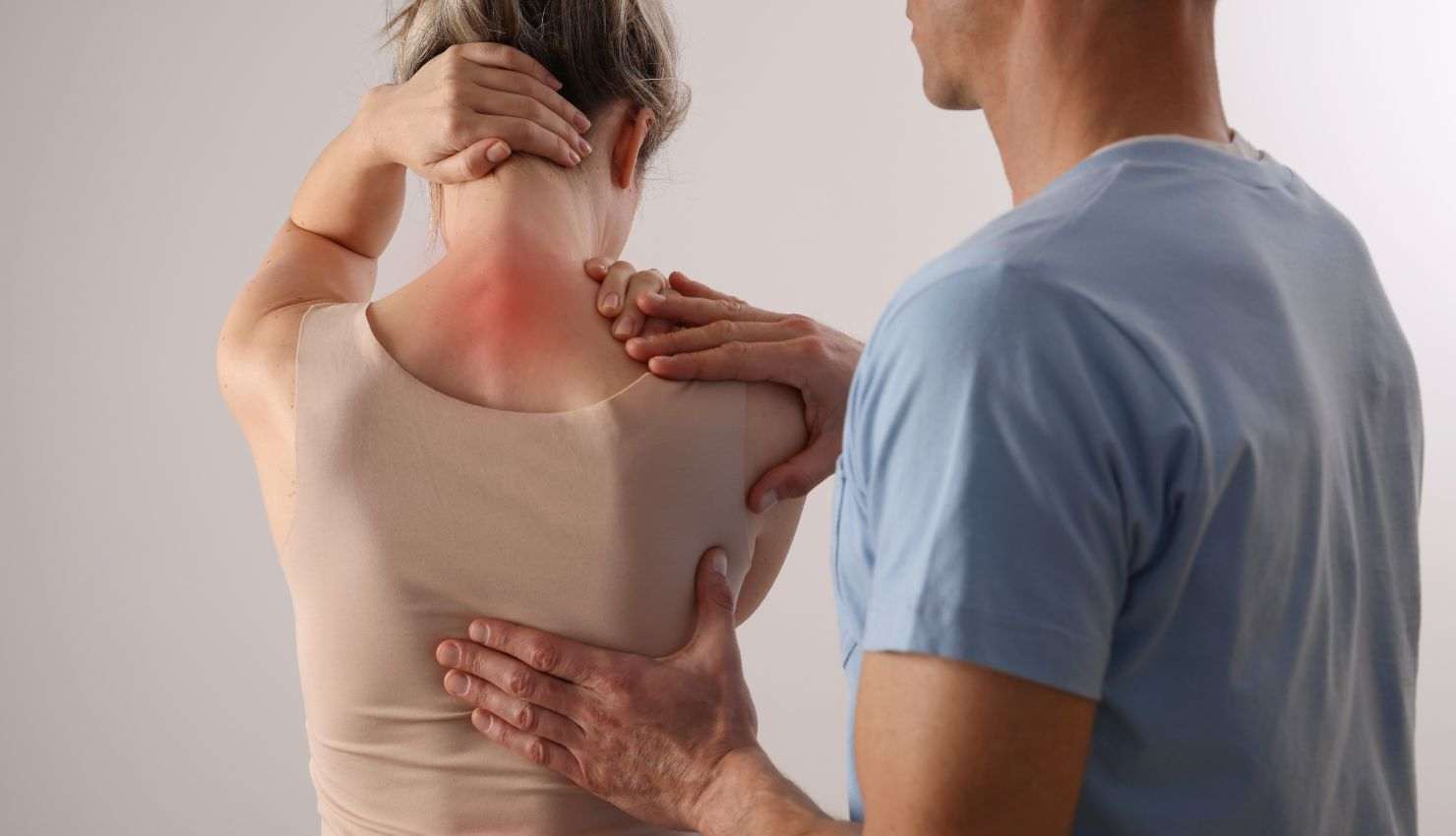
Back pain and spinal injuries are among the leading reasons people seek out physiotherapyand one of the most important, yet often underestimated, pillars of treatment and prevention is core strength. At Your Form Sux (YFS) in Canada, our physiotherapists place a strong emphasis on rebuilding and reinforcing the core because it directly impacts spinal stability, alignment, and resilience.
Why Core Strength Matters for Your Spine
Your core isnt just about visible abs or fitness aesthetics. Its a system of deep and superficial muscles that surround your midsection, including the transverse abdominis, internal and external obliques, rectus abdominis, pelvic floor, and multifidus. These muscles work together to:
Stabilize your spine during movement
Maintain upright posture
Transfer force efficiently through the body
Protect spinal discs and joints from excessive strain
When these muscles are underactive or weak, your spine becomes more vulnerable to stress, poor mechanics, and eventual injury.
Spinal Injuries Often Begin with Core Weakness
Its common for clients to arrive at YFS with lower back pain, herniated discs, or general spinal discomfort, only to discover that their core muscles are not activating properly. A weak core leads to compensation elsewherewhether in the hips, shoulders, or the spine itself.
For example, when your deep abdominal muscles arent doing their job, your lower back may end up bearing more load than its meant to. This can result in overuse injuries, inflammation, and chronic pain.
Thats why building core strength is foundational in spinal rehabilitation. Its not a bonusits essential.
How Core Training Aids in Spinal Rehabilitation
During spinal rehab at YFS, our team integrates targeted core strengthening exercises that are safe, progressive, and physiotherapy-approved. These exercises are designed to:
Re-activate deep core muscles that have been inhibited due to injury or inactivity
Improve trunk control during movement
Reduce strain on the lumbar spine
Promote balanced muscle engagement
Some of the go-to movements in our rehabilitation programs include:
Abdominal bracing with controlled breathing
Pelvic tilts and dead bugs
Modified planks with support
Bird-dogs for spinal stability
Glute bridges with core engagement
These exercises dont just build strengththey teach the body to move with greater efficiency and safety, which is critical during recovery.
Preventing Future Spinal Injuries Through Core Conditioning
Once a spinal injury has healed, many people make the mistake of stopping their core work. But spinal health isnt a one-time projectits a long-term commitment. Continuing to strengthen and maintain your core is key to preventing reinjury and building a resilient back.
Preventive core rehab helps with:
Posture correction: A strong core supports upright posture and reduces slouching or spinal compression.
Lifting mechanics: Proper core activation protects the spine during physical tasks like bending or lifting.
Balance and coordination: Especially important as we age or after surgery.
Everyday movement: From walking to sitting, a strong core makes all movement smoother and safer.
Searchers looking for terms like core exercises for spinal injury prevention or how to prevent back pain with core strength are often in that post-recovery or prevention-focused phaseand this is where YFSs physiotherapy-guided programs shine.
The Physiotherapy Advantage at YFS
What makes physiotherapy-based core rehab different from just doing workouts at the gym? Its all about precision, progression, and personalization.
At YFS, our physiotherapists perform detailed assessments to:
Identify weak or underused muscles
Analyze your movement mechanics
Tailor exercises to your injury history and physical goals
We then design a program that progresses over time, ensuring your spine is always supported by a core thats not just strong, but functional.
Additionally, we teach clients how to incorporate core activation into real-life movement, not just isolated exercises. This makes your core work more transferable and effective.
Real-World Results You Can Feel
When your core is strong, your spine becomes less reactive to stress and movement. Youll notice:
Decreased pain and tension
Improved posture and movement efficiency
Better endurance in daily activities
Greater control and confidence during exercise
These are the kinds of results we help our clients achieve every day at YFS. And when people are searching online for spinal rehabilitation with core training or preventing back injury through core exercises, what theyre really looking for is a practical, guided solution like ours.
Conclusion: Dont Rehab Without the Core
Whether youre healing from an injury or simply want to avoid one, your core is the key to spinal health. A weak or inactive core leaves your back vulnerable, while a strong, responsive core helps you move better, live pain-free, and stay injury-free long-term.
At Your Form Sux (YFS) in Canada, we combine the science of physiotherapy with the effectiveness of core rehabilitation to help you build a spine thats supported from the inside out. Let us help you recover smarter, move better, and prevent future setbackswith a strong core leading the way.