Promotes Healthy Posture The way you place your monitor, keyboard, chair, and accessories affects the alignment of your:

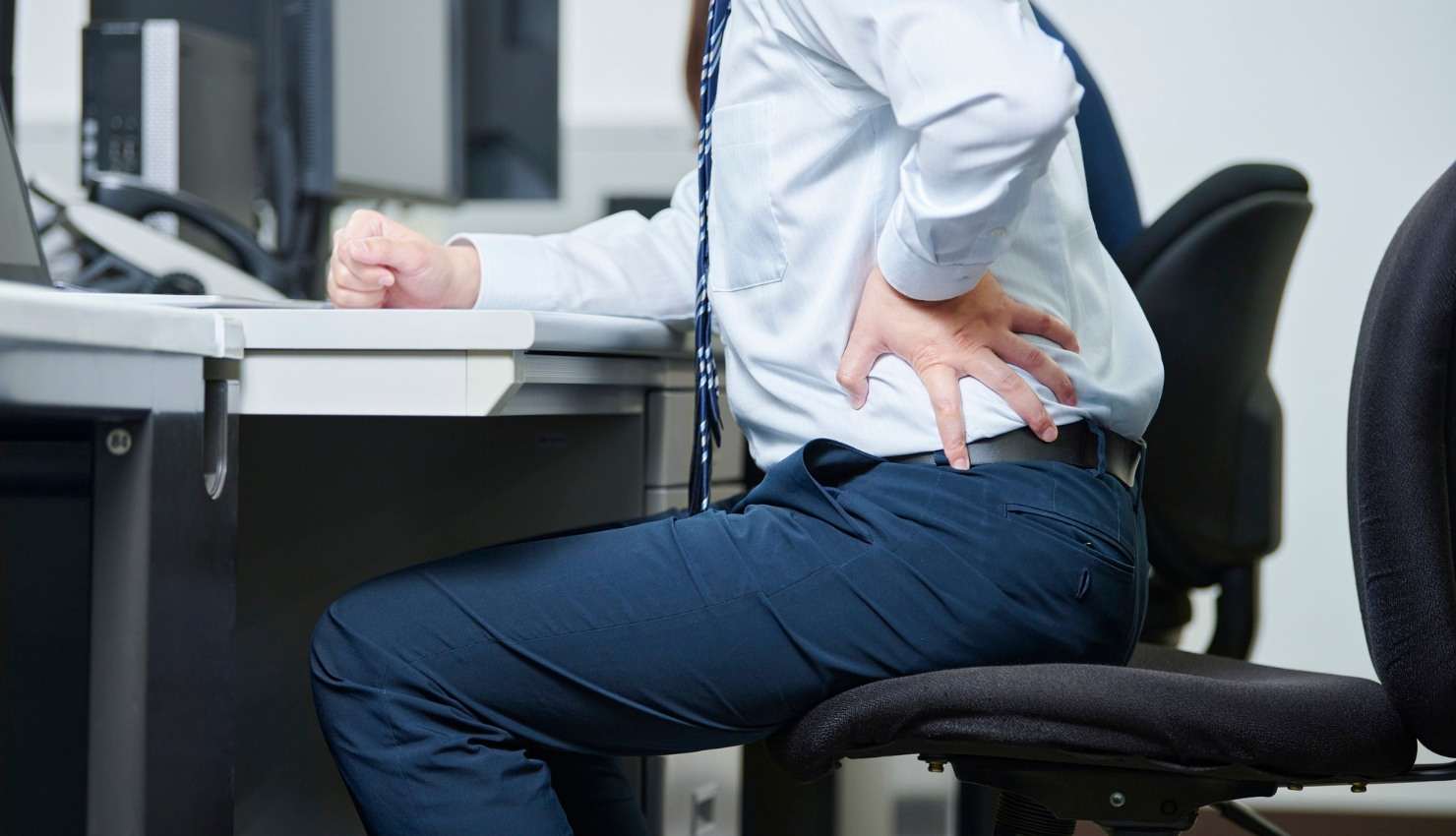
Promotes Healthy Posture
The way you place your monitor, keyboard, chair, and accessories affects the alignment of your:
Spine
Shoulders
Wrists
Neck
A poorly arranged desk encourages slouching, forward head posture, and rounded shoulderscommon causes of neck and back pain.
Quick fixes:
Keep your monitor at eye level, about an arms length away
Place your keyboard and mouse close enough so your elbows remain at 90°
Use a chair with lumbar support, and keep feet flat on the floor
?? 2. Reduces Repetitive Strain and Overuse Injuries
If you constantly reach for your mouse, phone, or notepad, your body pays the price. Overreaching or twisting repeatedly can lead to:
Wrist and elbow pain (e.g., carpal tunnel syndrome)
Shoulder tension
Neck stiffness
Tips from physiotherapists:
Keep frequently used items within arms reach
Use a headset for calls to avoid cradling the phone between neck and shoulder
Alternate hands for mouse use if possible
?? 3. Encourages Frequent Movement
A well-organized desk makes it easier to move:
Standing desks or sit-stand converters remind you to change positions
Open space around your desk invites you to stretch or pace between tasks
Keeping a water bottle in sight encourages hydration and movement
?? Pro tip: Keep a stretch band or foam roller nearby to prompt mini movement breaks.
?? 4. Minimizes Visual Stress and Mental Fatigue
Physical health also includes your eyes and brain. A cluttered desk increases:
Eye strain from poor monitor angles
Mental fatigue from visual overload
Headaches from awkward viewing positions
Organize for eye comfort:
Align your monitor directly in front of you
Use a document holder if referencing papers often
Follow the 20-20-20 rule: every 20 minutes, look 20 feet away for 20 seconds
?? 5. Supports Ergonomic Accessories
Your desk layout should support accessories that protect your body, such as:
Footrests to ease lower back pressure
Wrist rests for neutral hand positioning
Keyboard trays for improved typing angles
Laptop risers to elevate screens to eye level
Physiotherapists often recommend these simple adjustments to prevent long-term strain.
? Desk Organization Checklist (Backed by Physiotherapy Principles)
Item or Habit Healthy Setup Tip
Monitor position Eye level, centered, 1824″ away
Chair Adjustable with lumbar support
Keyboard & mouse Close, flat, and wrist-neutral
Daily use items Within arms reach
Lighting Even, glare-free
Stretch reminders Timer or visual cue nearby
Visual clutter Clear desk surface at least once a day
?? When to Consult a Physiotherapist
If youre experiencing discomforteven with a tidy deskit may be time to seek help. A physiotherapist can:
Assess your posture and ergonomic setup
Provide personalized advice and desk exercises
Treat any strains or pain early before they worsen