Flexibility refers to the ability of muscles and joints to move through their full range of motion. It plays a crucial role in managing pain, particularly for individuals dealing with musculoskeletal conditions or chronic pain.

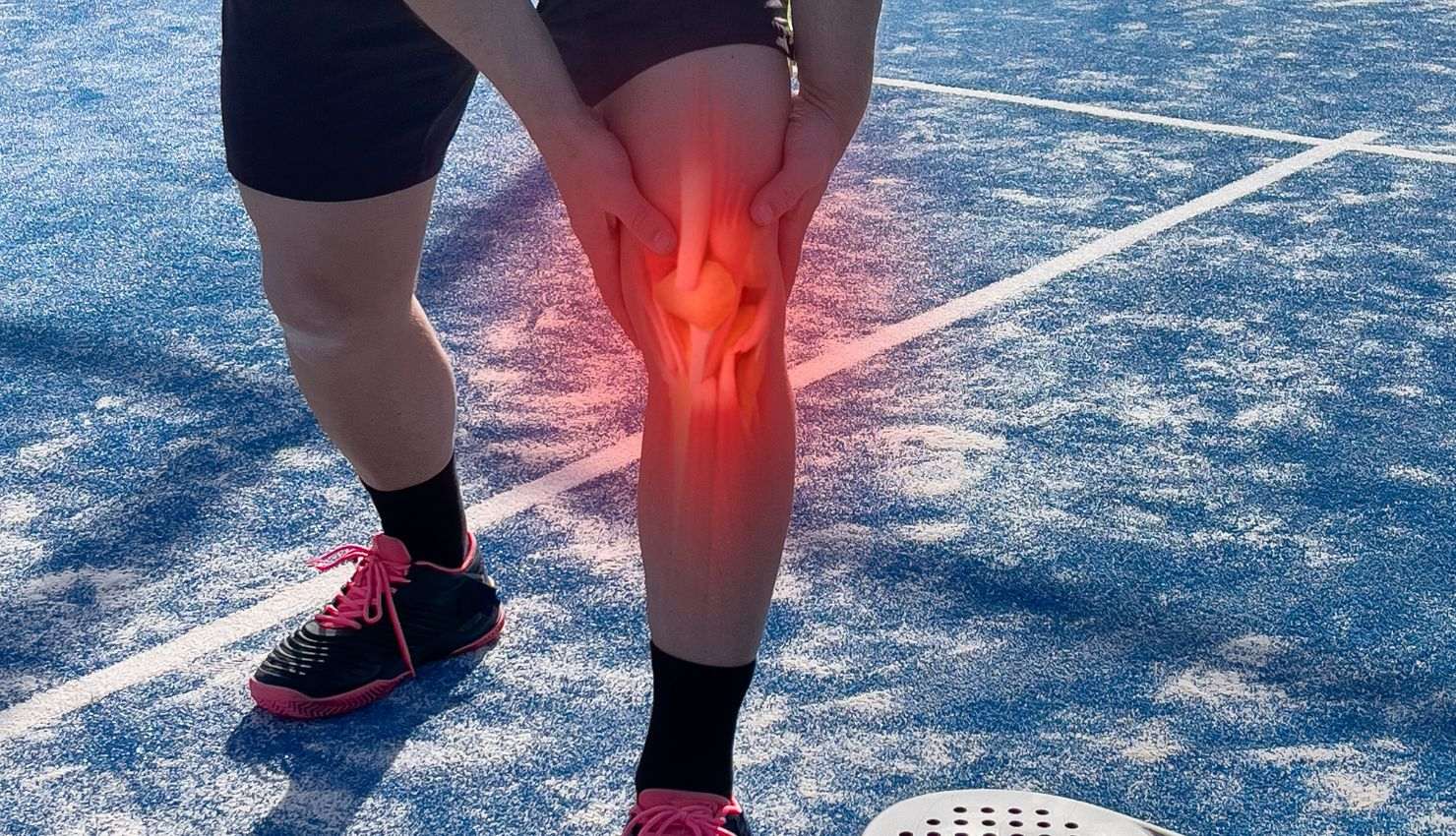
Flexibility refers to the ability of muscles and joints to move through their full range of motion. It plays a crucial role in managing pain, particularly for individuals dealing with musculoskeletal conditions or chronic pain. When muscles, tendons, and ligaments are tight or restricted, it can lead to discomfort, stiffness, and even injury. Improving flexibility through targeted stretches and exercises helps relieve tension, prevent injury, and reduce the intensity of pain in both the short and long term.
Heres why flexibility is so important in pain management:
### **1. Reducing Muscle Tension and Stiffness**
One of the most common causes of pain, particularly in the back, neck, and shoulders, is muscle tightness and stiffness. Over time, tight muscles become less pliable, leading to restricted movement and increased discomfort. Flexibility exercises are designed to lengthen muscles, reduce tightness, and improve joint mobility.
#### **How Flexibility Helps with Muscle Tension and Stiffness:**
* **Relieves Muscle Tightness**: Stretching and flexibility exercises target tight muscles, reducing the build-up of tension that can cause pain. For example, stretching the hip flexors can alleviate lower back pain caused by tight muscles.
* **Improves Mobility**: Increased flexibility in muscles and joints allows for better movement, reducing discomfort caused by stiffness. This is particularly important for people with conditions like arthritis or fibromyalgia, where joint stiffness and muscle tightness are common.
* **Prevents Muscle Strains**: When muscles are flexible, they are less likely to be overstretched or strained during physical activity, reducing the risk of injury and the pain associated with muscle strains.
—
### **2. Improving Joint Range of Motion**
Chronic pain, especially in conditions like osteoarthritis or after an injury, often leads to reduced joint range of motion (ROM). When joints are unable to move freely, it can result in stiffness, discomfort, and difficulty performing daily activities. Flexibility exercises target the muscles and soft tissues around the joints, helping to restore normal ROM and reduce pain.
#### **How Flexibility Improves Joint Mobility:**
* **Restores Full Range of Motion**: Stretching and mobility exercises help maintain or increase the flexibility of the muscles and connective tissues around the joints, enabling the joint to move more freely. For example, stretching the calf muscles can improve ankle ROM, reducing pain in the knees or lower back.
* **Prevents Joint Deformities**: Regular flexibility exercises prevent joint deformities and damage, which can occur in chronic conditions like arthritis. Maintaining joint flexibility helps prevent further wear and tear on the cartilage and bones, reducing pain and improving long-term joint health.
* **Relieves Pressure on Joints**: When the muscles surrounding a joint are tight, they can cause additional pressure on the joint itself. Flexibility exercises help relieve this pressure by lengthening the muscles and improving joint alignment.
—
### **3. Reducing the Risk of Injury**
Tight muscles are more susceptible to injury, as they are less able to absorb force and perform efficiently. Flexibility helps to improve the overall function of muscles, tendons, and ligaments, reducing the likelihood of injury and the associated pain.
#### **How Flexibility Reduces Injury Risk:**
* **Improves Muscle Elasticity**: Flexible muscles are more elastic and can better tolerate stress. This means that they are less likely to become strained or torn when subjected to sudden movements or physical activity.
* **Improves Posture**: Tight muscles can contribute to poor posture, leading to strain on the spine, shoulders, and hips, which can cause pain. Flexibility exercises help restore balance in the muscles, supporting proper posture and reducing strain on the spine and joints.
* **Prepares the Body for Activity**: Stretching before physical activity helps warm up the muscles, preparing them for exercise and reducing the risk of injury. This is particularly important for individuals with chronic pain who may be more prone to injury during exercise.
—
### **4. Managing Pain from Chronic Conditions**
Flexibility is particularly important for individuals suffering from chronic pain conditions, such as osteoarthritis, fibromyalgia, or chronic back pain. These conditions often lead to muscle tightness, joint stiffness, and decreased mobility, which can exacerbate pain. Regular flexibility exercises help reduce these symptoms and improve overall quality of life.
#### **How Flexibility Helps Manage Chronic Pain:**
* **Alleviates Muscle and Joint Pain**: Stretching can help relax the muscles and release tension, which can reduce the intensity of pain in the affected areas. For individuals with fibromyalgia, stretching exercises are often prescribed to alleviate widespread muscle pain.
* **Reduces Inflammation**: Regular flexibility exercises can reduce inflammation in the muscles and joints, which is often a source of pain in conditions like arthritis. Stretching can help improve blood circulation, which assists in flushing out toxins and promoting healing.
* **Promotes Relaxation**: Flexibility exercises, especially those combined with deep breathing (e.g., yoga or Pilates), can promote relaxation, reduce stress, and alleviate pain. Stress can exacerbate chronic pain, and relaxation techniques help break the pain-stress cycle.
—
### **5. Enhancing Circulation and Healing**
Flexibility exercises promote better blood flow to muscles, joints, and tissues, which is essential for reducing pain and promoting healing. Improved circulation helps deliver oxygen and nutrients to injured tissues, accelerates recovery, and decreases swelling and inflammation.
#### **How Flexibility Promotes Healing:**
* **Improved Blood Flow**: Stretching helps dilate blood vessels, increasing circulation to the muscles and joints. This enhanced blood flow accelerates the delivery of nutrients and oxygen to damaged tissues, helping them heal more quickly.
* **Reduces Swelling**: Regular flexibility exercises can help reduce swelling and fluid retention around joints and muscles. For example, stretching the legs and lower back can improve circulation in these areas, reducing swelling caused by conditions like arthritis or after an injury.
* **Toxin Removal**: Better circulation also helps flush out metabolic waste products and toxins that build up in the tissues after injury or inflammation, promoting faster healing and reducing pain.
—
### **6. Enhancing Mind-Body Connection**
Flexibility exercises, particularly those that involve mindful movement, such as yoga, Tai Chi, or Pilates, enhance the mind-body connection. This can be especially helpful for managing chronic pain, as it encourages patients to be more aware of their bodies and how they move, which can improve movement patterns and reduce the risk of exacerbating pain.
#### **How Flexibility Enhances Mind-Body Connection:**
* **Increased Body Awareness**: As individuals practice flexibility exercises, they develop a greater awareness of their body, posture, and movements. This can help identify areas of tension or imbalance and take action to prevent further pain.
* **Relaxation and Stress Reduction**: Many flexibility exercises incorporate deep breathing and mindfulness, which help reduce the psychological and emotional aspects of pain. This can be particularly effective for managing pain caused or exacerbated by stress and tension.
* **Calming Effect**: Activities such as yoga and Tai Chi combine flexibility with controlled movements, promoting relaxation and providing a sense of mental clarity, which can help reduce the perception of pain.
—
### **7. Promoting Overall Mobility and Function**
Flexibility is a key factor in maintaining overall mobility and functional movement. For individuals with chronic pain, improving flexibility helps restore the ability to perform everyday tasks with less discomfort. This includes movements such as bending, reaching, walking, and sitting comfortably.
#### **How Flexibility Improves Mobility:**
* **Restores Functional Movement**: Flexibility exercises help maintain or improve the ability to move freely, allowing for more efficient and pain-free movement during daily activities.
* **Prevents Decreased Mobility**: Without regular flexibility exercises, muscles and joints can become tight and restricted, which leads to a decline in mobility. Maintaining flexibility helps prevent this decline and allows individuals to remain active and independent.
* **Improves Athletic Performance**: For those with active lifestyles or involved in sports, flexibility is crucial for improving performance and reducing the risk of injuries that could lead to pain. Stretching before and after exercise helps prevent strains, sprains, and other injuries.
—
### **Conclusion**
Flexibility is a critical component of pain management and overall physical health. Whether youre dealing with chronic pain, recovering from an injury, or simply working to maintain joint and muscle health, incorporating flexibility exercises into your routine can significantly reduce pain, improve mobility, and enhance your quality of life. Stretching not only relieves muscle tension but also improves blood flow, joint health, and posture. By making flexibility exercises a regular part of your routine, you can help prevent pain from reoccurring, promote healing, and reduce the impact of chronic conditions. Always consult a healthcare provider or physiotherapist before starting a new flexibility routine, especially if you have a specific condition or injury, to ensure that the exercises are safe and beneficial for your needs.