Ah, the age-old question: Should I use ice or heat? If youve ever pulled a muscle, tweaked a joint, or woken up with a stiff back, chances are someone has tossed this advice your way Put some ice on it! or Try a hot pack! But what do these therapies actually do? And more …

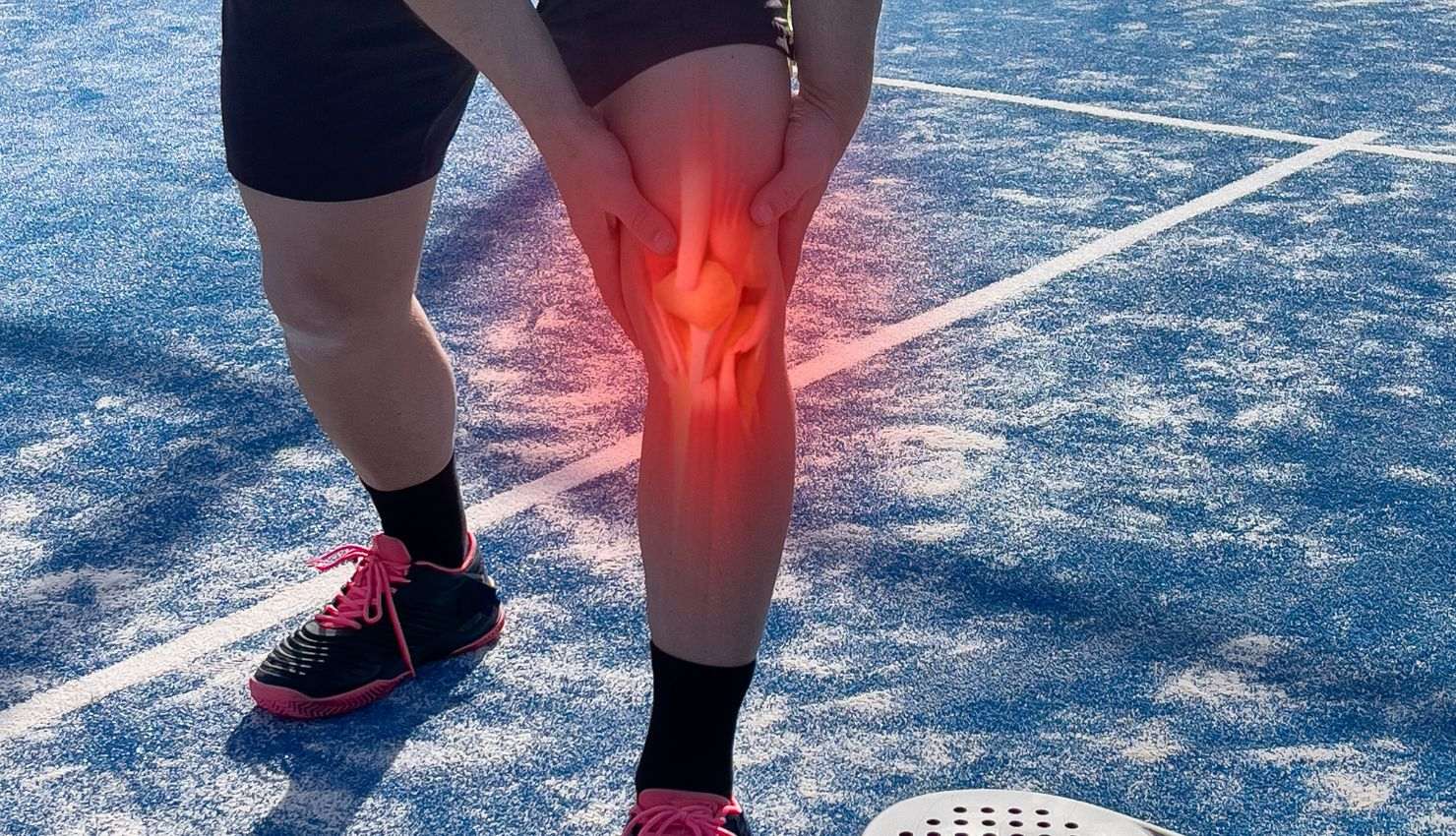
Ah, the age-old question: Should I use ice or heat? If youve ever pulled a muscle, tweaked a joint, or woken up with a stiff back, chances are someone has tossed this advice your way Put some ice on it! or Try a hot pack!
But what do these therapies actually do? And more importantly, when should you use which?
Lets dive into the icy-hot world of pain relief and unpack how these two simple tools can make a big difference in your recovery journey.
?? Cold Therapy (Cryotherapy): Calm the Flame
When to use: Right after an injury (within 24-48 hours)
Think of ice as your bodys fire extinguisher. When you get injured say, a sprained ankle or a muscle strain the body rushes blood to the area, causing swelling, inflammation, and pain. Thats where cold therapy comes in.
How it helps:
Reduces inflammation and swelling
Numbs sharp pain
Slows nerve activity to calm the area down
Best for:
Acute injuries (fresh sprains, strains, bumps, bruises)
Post-workout soreness
Managing joint flare-ups (especially in conditions like arthritis)
Pro Tip: Apply ice packs for 1520 minutes at a time, and always place a cloth or towel between the ice and your skin to avoid frostbite.
?? Heat Therapy (Thermotherapy): Soothe and Loosen
When to use: For chronic pain or stiffness
Now, if cold is the extinguisher, heat is the gentle hug your muscles didnt know they needed. Heat therapy works by increasing blood flow, loosening tight muscles, and soothing stiff joints basically prepping your body for movement.
How it helps:
Relieves muscle tension
Increases circulation
Improves flexibility
Reduces chronic pain
Best for:
Stiff joints
Muscle spasms or tightness
Chronic pain conditions (like lower back pain or neck tension)
Pro Tip: Use a warm towel, heating pad, or hot water bottle for 1530 minutes, and make sure its comfortably warm not hot enough to burn your skin.
?? Can You Use Both? Yes But Timing Is Everything
Sometimes, a combo approach works best. For example, you might ice after a workout to reduce soreness and use heat before activity to loosen up stiff muscles. Or in cases like tendonitis or chronic back pain, alternating between hot and cold (called contrast therapy) can be incredibly effective.
Always remember:
?? Ice = Inflammation control
?? Heat = Muscle relaxation
?? When to Skip It
While ice and heat are powerful home remedies, there are a few situations where you should check in with a physiotherapist or doctor first:
Open wounds or broken skin? Skip the heat.
Numb areas or poor circulation? Avoid ice.
Unsure of the injury type? Get a professional diagnosis first.
???? Wrap-Up: Simple Tools, Big Relief
You dont need fancy gadgets or expensive treatments to start managing pain sometimes, its as simple as knowing when to grab the ice pack or plug in the heating pad.
So the next time your muscles are aching or your joints are acting up, remember: your freezer and your microwave might just be your new best friends.
And if you’re ever in doubt? Thats what physiotherapists are for helping you personalize your recovery so you can move better, feel better, and get back to doing what you love.