The Importance of Joint Mobility for a Pain-Free Active Lifestyle explores targeted strategies for recovery. Discover new paths to mobility, healing, and personalized care.

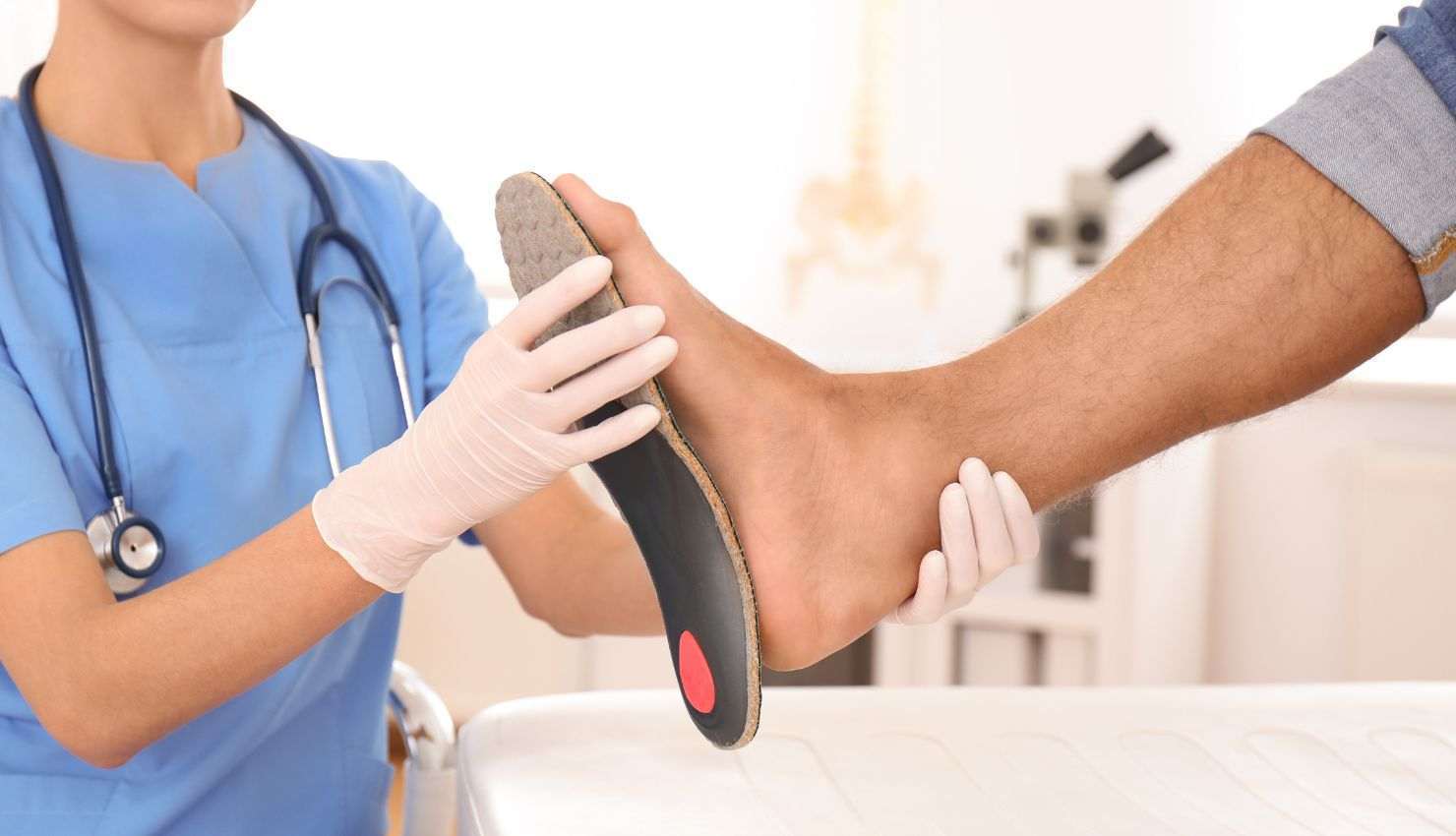
You love staying activewhether its walking, running, lifting weights, playing sports, or just keeping up with everyday life. But lately, maybe youve been feeling a little stiff. A little achy. Maybe your knees creak on the stairs, your back flares up after sitting, or your shoulders feel tight when you reach overhead. These little discomforts are often brushed off as aging or overuse, but heres the truth: most of the time, its poor joint mobility to blame.
At YourFormSUX (YFS), we believe mobility is not just for athletes or rehab patientsits for anyone who wants to move well, live actively, and stay pain-free. In this post, well unpack why joint mobility is so crucial to maintaining an active lifestyle without painand how improving it can transform the way you feel every single day.
What Is Joint Mobility, Really?
Lets get clear: joint mobility isnt just about flexibility. Its not just being able to touch your toes or bend backward like a yogi. Mobility is the ability of a joint to move actively through its full range of motionwith strength, control, and stability.
For example, its not enough to have loose hamstrings if your hips cant rotate properly. And having flexible shoulders doesnt help if you cant lift your arms overhead without compensating with your neck or lower back.
Optimized joint mobility means your body moves how it was designed to movewithout tightness, strain, or pain. And when your joints are working right, everything else improves: posture, balance, strength, coordination, and comfort.
How Joint Stiffness Contributes to Daily Pain
A lot of the aches and pains we chalk up to aging or stress are actually movement dysfunctions caused by joint restrictions. Heres how:
Knee pain often originates from poor ankle or hip mobility.
Lower back pain is frequently linked to tight hips or an immobile thoracic spine.
Shoulder and neck pain can stem from restricted mobility in the upper back and scapular region.
Foot or heel pain may be influenced by lack of dorsiflexion (ankle mobility) or stiff toe joints.
Pain is often a symptom, not the problem. When joints are restricted, the body finds a way to work around itbut at a cost. That cost is usually excessive stress on muscles, tendons, and ligaments not meant to do that job.
Why Joint Mobility is the Foundation of a Pain-Free Life
If you want to be active for years to comewithout living on painkillers or avoiding movement out of fearthen joint mobility must be a priority.
Heres why:
1. Efficient Movement Means Less Strain
When joints can move freely, muscles can fire properly, and your body moves more efficiently. That means less wear-and-tear on tissues and a lower risk of overuse injuries.
2. Mobility Helps You Maintain Posture
Poor posture isnt just a visual issueits often the root of chronic pain. Mobility in the spine, hips, and shoulders helps you stand tall and move without compressing joints or straining muscles.
3. It Keeps You Independent and Capable
Want to stay active as you age? Keep up with grandkids, hike on weekends, or keep working out into your 60s and beyond? Then you need mobile joints. Theyre what allow you to bend, twist, squat, and reach without limitations.
4. Better Joint Health = Less Inflammation
Restricted joints can become inflamed over time due to friction and poor alignment. Maintaining mobility reduces unnecessary joint stress, which can help limit chronic inflammation and arthritis symptoms.
Everyday Benefits of Healthy, Mobile Joints
You dont need to be an athlete to see the value of mobility work. In fact, most people notice the biggest gains in their everyday life:
Walking up stairs becomes easier
You can carry groceries without shoulder pain
Your back doesnt hurt after sitting
Your knees feel more stable during hikes
You can stretch, squat, and reach without hesitation
These small wins add up. And they often lead to more confidence in movement, better workouts, and a renewed motivation to stay active.
How to Start Improving Joint Mobility Today
The good news? You dont need hours of stretching or fancy equipment. Just a few minutes a day can dramatically improve your mobility over time.
Start With These 5 Simple Habits:
Daily Mobility Drills
Focus on the hips, ankles, shoulders, and spine. Use active movements like 90/90 hip switches, deep squat holds, thoracic rotations, and arm circles.
Move Often Throughout the Day
Avoid sitting in one position too long. Stand up, walk around, and do light stretches to reset your joints.
Warm Up Properly
Before any workout or physical activity, do mobility-specific movements to prepare your joints. This helps reduce stiffness and improve performance.
Train Through Full Range of Motion
Use exercises that take your joints through their full, controlled rangelike goblet squats, overhead reaches, and lunges.
Assess Your Body Regularly
Work with a mobility coach (like the pros at YFS!) to find and fix your personal limitations before they become problems.
Invest in Your Mobility, Invest in Your Life
Its easy to ignore tight joints until they start hurting. But by then, its a reactive game. The real power of mobility training is in being proactive. Maintaining good joint health now means fewer injuries, better movement, and more active years down the line.
At YourFormSUX, our approach is built on the idea that your body should support your lifestylenot limit it. Whether youre an everyday mover or a competitive athlete, we tailor joint optimization programs to meet you where you are and get you where you want to go.
Pain isnt a normal part of being active. And it doesnt have to be your reality. Start working on your mobility todayand keep doing what you love tomorrow, next year, and beyond.