Absolutely! Movement therapy is crucial in treating spinal conditions because the spine is…

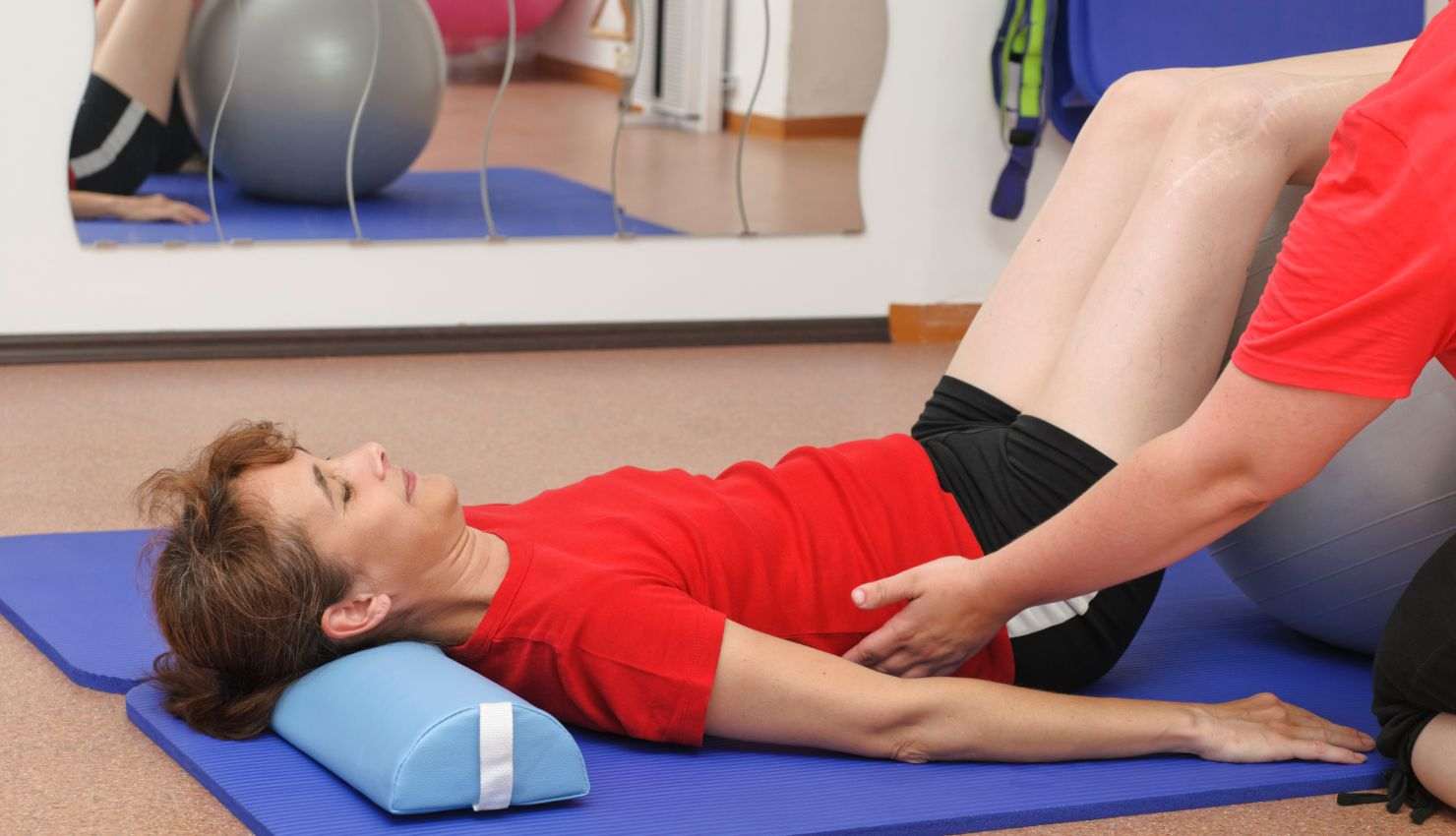
Absolutely! Movement therapy is crucial in treating spinal conditions because the spine is central to almost every movement we make, and its health directly affects mobility, pain levels, and overall function. Heres a detailed explanation of its importance:
The Importance of Movement Therapy in Treating Spinal Conditions
1. Restores and Maintains Spinal Mobility
Spinal conditions such as herniated discs, degenerative disc disease, or spinal stenosis often lead to stiffness and limited range of motion.
Movement therapy helps maintain and improve spinal flexibility, reducing stiffness and preventing further deterioration.
Example: Gentle spinal mobilizations and controlled articular rotations.
2. Reduces Pain Through Movement
Movement stimulates the release of endogenous opioids (natural painkillers) and improves circulation to spinal tissues, which helps decrease pain and inflammation.
Gradual exposure to movement also reduces fear-avoidance behaviors common in chronic back pain.
Example: Graded movement exercises and low-impact aerobic activities.
3. Strengthens Core and Postural Muscles
Weakness in core muscles and postural stabilizers (e.g., multifidus, transverse abdominis) is linked to spinal instability and chronic pain.
Movement therapy targets these muscles to improve spinal support and load distribution.
Example: Core stabilization exercises and functional movement training.
4. Corrects Postural Dysfunction
Poor posture contributes to abnormal spinal loading and pain.
Movement therapy addresses muscle imbalances and encourages proper alignment through strengthening and mobility work.
Example: Exercises to strengthen the upper back and stretch tight chest muscles.
5. Improves Neuromuscular Control and Coordination
Efficient spinal movement depends on precise coordination between muscles and the nervous system.
Movement therapy retrains these pathways to improve coordination and prevent compensatory movement patterns that cause pain.
Example: Proprioceptive and balance exercises.
6. Enhances Functional Ability and Quality of Life
Restoring spinal function enables patients to perform daily activities with less pain and greater ease.
Movement therapy promotes independence and reduces disability associated with spinal conditions.
7. Facilitates Long-Term Prevention
Regular movement helps maintain spinal health, preventing recurrence of symptoms and progression of degenerative changes.
Encourages patients to adopt active lifestyles.