Urinary incontinence is a common yet often overlooked issue affecting millions of women across all age groups. Whether it’s leaking during exercise, sneezing, or struggling with urgency, these symptoms are not just part of aging.

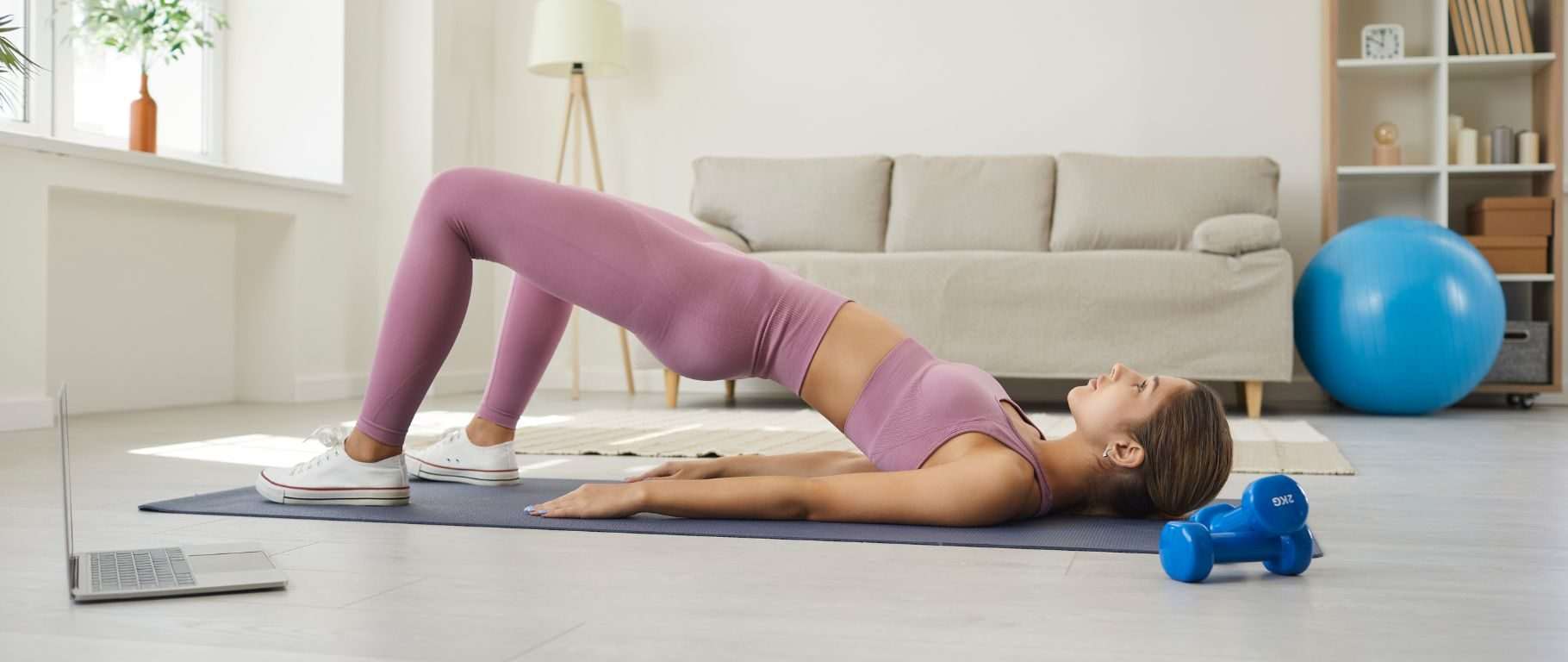
Urinary incontinence is a common yet often overlooked issue affecting millions of women across all age groups. Whether it’s leaking during exercise, sneezing, or struggling with urgency, these symptoms are not just part of aging. The truth is, pelvic health plays a crucial role in maintaining bladder control, and addressing it early through physiotherapy can prevent incontinence altogether.
Understanding Urinary Incontinence
Urinary incontinence can be classified into several types:
Stress incontinence: Leakage during coughing, laughing, or physical activity.
Urge incontinence: A sudden and strong need to urinate, often with little warning.
Mixed incontinence: A combination of stress and urge symptoms.
Overflow or functional incontinence: Less common, related to neurological or mobility issues.
In most cases, weak or poorly coordinated pelvic floor muscles are the root of the problem. These muscles support the bladder, urethra, and bowel, and when they arent functioning optimally, control becomes compromised.
How Pelvic Health Affects Continence
A healthy pelvic floor acts like a supportive sling that holds the pelvic organs in place and keeps the urethra closed when pressure increasessuch as during exercise or sneezing. When the muscles weaken due to childbirth, hormonal changes, surgery, or a sedentary lifestyle, bladder control becomes more difficult.
Other factors that impact continence include:
Posture and core muscle engagement
Breathing and pressure management in the abdomen
Scar tissue from surgeries or childbirth
Pelvic organ prolapse
Lack of awareness of pelvic floor engagement
Preventing Incontinence Through Physiotherapy
Physiotherapy for pelvic health focuses on identifying and addressing all contributing factors to incontinence. It is non-invasive, drug-free, and highly effective in both prevention and treatment.
Key prevention strategies include:
Pelvic Floor Muscle Training
A personalized pelvic floor exercise program ensures correct activation and relaxation of muscles. Physiotherapists often use internal assessments or biofeedback to confirm proper technique, as many women unknowingly perform Kegels incorrectly.
Breathing and Core Control
Improving the coordination between the diaphragm, abdominal muscles, and pelvic floor helps manage pressure during daily movements. This reduces strain on the bladder and supports continence.
Bladder Retraining Techniques
Physiotherapy helps women establish healthy voiding habits and regain control over urgency through timed voiding, urge suppression techniques, and hydration strategies.
Postural and Alignment Correction
Improper alignment, especially in the pelvis and lumbar spine, can influence bladder support. A physiotherapist guides adjustments in posture, standing habits, and lifting techniques.
Education on Daily Habits
From avoiding bladder irritants to learning how to lift properly, small lifestyle changes supported by physiotherapy play a significant role in long-term bladder health.
Who Should Start Pelvic Physiotherapy for Prevention
Even women without current symptoms benefit from pelvic physiotherapyespecially during key life stages like pregnancy, postpartum, menopause, or after gynecological surgeries. Early assessments help catch imbalances before they manifest as incontinence.
The Link Between Hormones, Aging, and Pelvic Function
Estrogen plays a role in tissue elasticity and muscle strength. As levels decline with age, pelvic tissues may become thinner and more fragile, increasing the risk of leakage. Strengthening the pelvic floor before and during menopause can offset this decline.
Conclusion: Proactive Pelvic Care Is Key
Urinary incontinence does not have to be a part of your future. By prioritizing pelvic health early and incorporating guided physiotherapy into your wellness routine, you can prevent bladder control issues and improve your overall quality of life. A strong pelvic floor is foundationalnot just for continence, but for posture, stability, and confidence in daily life.