The Importance of Physiotherapy for Every Dance Discipline explores targeted strategies for recovery. Discover new paths to mobility, healing, and personalized care.

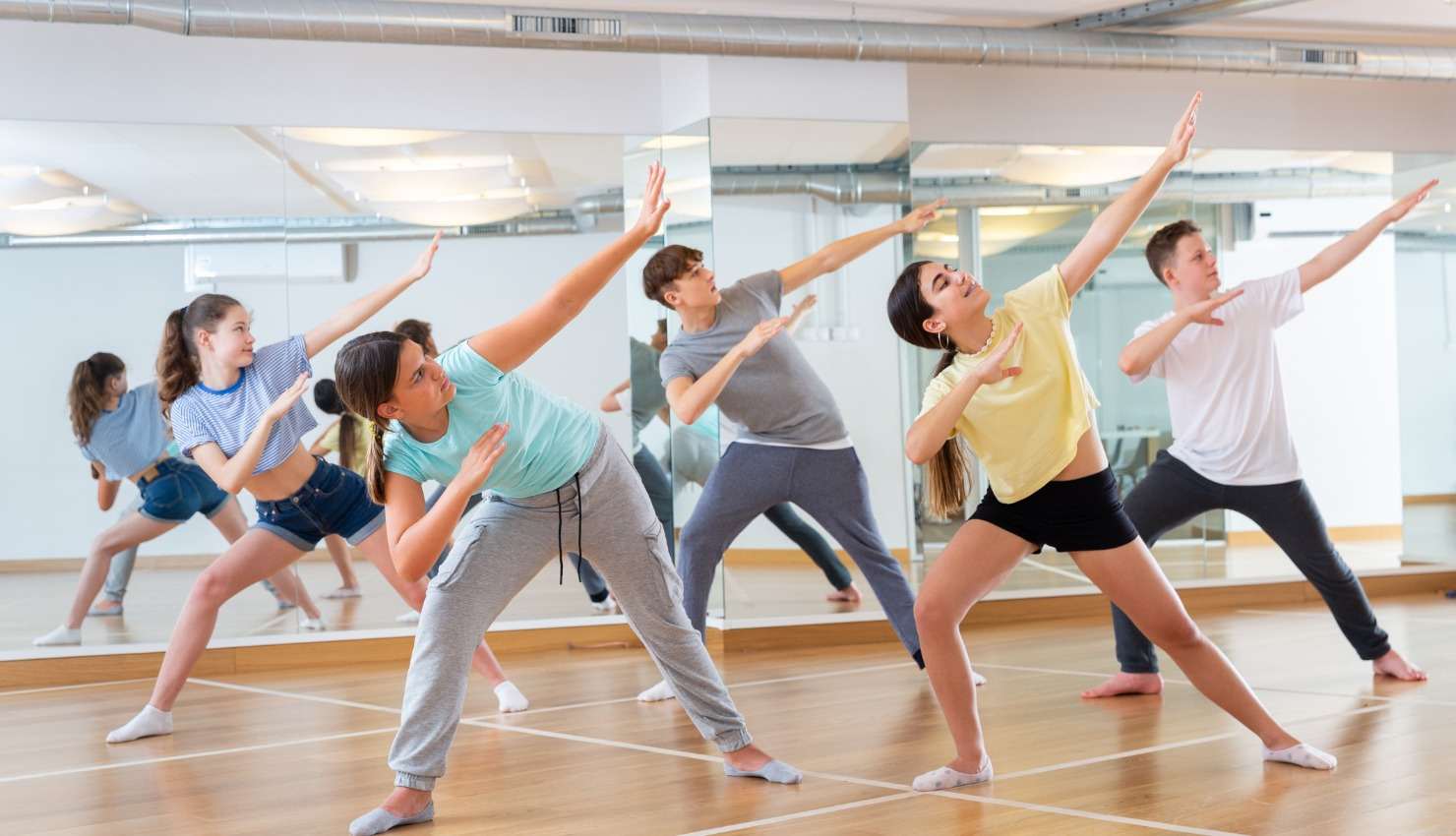
Dance is a diverse art form encompassing many stylesfrom ballet and contemporary to hip-hop, jazz, ballroom, and more. Each discipline has unique physical demands, movement patterns, and injury risks. Despite these differences, physiotherapy is an essential resource for dancers across all styles. It supports performance enhancement, injury prevention, and long-term health regardless of your chosen dance discipline.
Why All Dance Styles Benefit from Physiotherapy
Though dance styles vary, they share common physical challenges such as repetitive strain, joint stress, muscle imbalances, and the need for flexibility and strength. Physiotherapy provides personalized care tailored to the specific requirements of each discipline, helping dancers perform safely and efficiently.
Physiotherapy for Ballet and Contemporary Dance
Ballet and contemporary dance emphasize turnout, balance, fluidity, and control. Physiotherapists working with dancers in these styles focus on:
Improving hip external rotation and core stability
Enhancing ankle strength and flexibility for pointe work
Correcting alignment and posture
Managing overuse injuries common in these styles such as tendonitis and stress fractures
Physiotherapy for Hip-Hop and Jazz
Hip-hop and jazz demand explosive power, rapid directional changes, and dynamic upper and lower body movements. Physiotherapy supports dancers by:
Strengthening muscles involved in jumps, twists, and isolations
Improving joint stability to withstand impact forces
Enhancing neuromuscular coordination and agility
Preventing common injuries such as ankle sprains and muscle strains
Physiotherapy for Ballroom and Latin Dance
Partner dances require balance, coordination, and endurance. Physiotherapy assists dancers by:
Addressing postural control and spinal mobility
Strengthening core and lower limb muscles for sustained stability
Managing joint pain related to repetitive twisting and weight shifts
Supporting recovery from strains or overuse injuries
Physiotherapy for Tap and Other Specialty Dances
Tap dancing involves intricate footwork and impact through the feet. Physiotherapy aids in:
Improving foot and ankle strength and flexibility
Preventing impact-related injuries like plantar fasciitis or stress fractures
Enhancing proprioception and balance
For other specialty dances, physiotherapists adapt their care to address specific movement demands and common injury patterns.
Customized Injury Prevention Programs
Physiotherapy injury prevention programs are customized to each dance styles demands. These programs include strength and flexibility training, technique analysis, and education on safe practices. By focusing on the unique stressors of your discipline, physiotherapy minimizes injury risk and prolongs your dance career.
Rehabilitation Tailored to Your Dance Style
If injury occurs, rehabilitation programs are designed with your dance style in mind. This ensures a functional return to performance, addressing specific movement requirements and technical skills.
Enhancing Performance Across Disciplines
Beyond injury care, physiotherapy enhances dance performance by optimizing movement efficiency, muscle balance, and endurance. These improvements translate to better technique, expression, and stamina regardless of dance genre.
Mental and Emotional Support
The physical demands of dance can also impact mental well-being. Physiotherapists provide reassurance and guidance, helping dancers cope with injury recovery and maintain motivation.
Conclusion: Physiotherapy Is a Vital Partner for Every Dancer
No matter your dance discipline, physiotherapy offers invaluable benefits. From injury prevention and rehabilitation to performance enhancement and mental support, physiotherapy is essential for sustaining a healthy, successful dance journey.
Investing in physiotherapy tailored to your dance style empowers you to dance stronger, recover faster, and enjoy your art form to its fullest potential.