The Importance of Physiotherapy for the Pre-Performance Warm-Up explores targeted strategies for recovery. Discover new paths to mobility, healing, and personalized care.

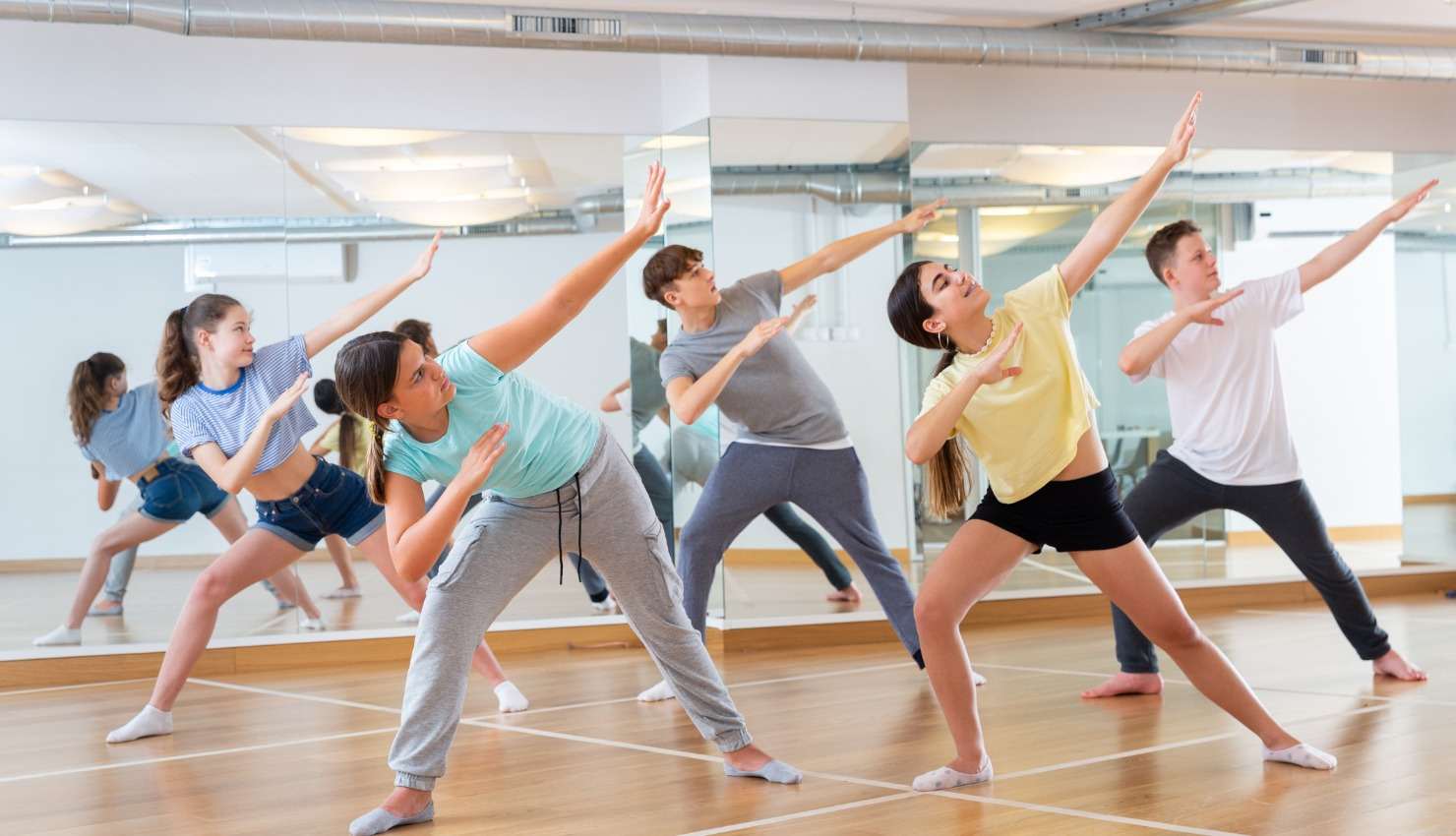
Why Pre-Performance Warm-Up Matters
A well-designed warm-up:
Increases blood flow to working muscles
Enhances joint mobility and muscle flexibility
Activates key stabilizers to protect against injury
Improves neuromuscular coordination and reaction time
Mentally prepares dancers for technical and artistic demands
Without a proper warm-up, dancers face higher risks of strains, sprains, and underperformanceespecially when tackling jumps, balances, or extreme ranges of motion.
?? How Physiotherapy Enhances Warm-Ups
Physiotherapists help performers optimize their warm-up routines by addressing their unique body mechanics, past injuries, and performance needs. This ensures:
Movements are functionally aligned and not rushed or forced
Weaknesses or imbalances are pre-activated or corrected before dancing
Dancers arent relying on passive stretches that may increase injury risk
?? Key Components of a Physiotherapy-Informed Warm-Up
1. Dynamic Mobility Exercises
Gentle, controlled movements to increase joint range of motion:
Leg swings, arm circles, hip circles
Spine rolls, pliés, and relevés with progressive depth
Functional movement patterns that simulate choreography
?? Unlike static stretching, dynamic mobility keeps the muscles responsive and ready.
2. Muscle Activation and Stability Work
Light resistance exercises to wake up important muscle groups:
Glute bridges, clamshells, or resistance band walks for hip stability
Core engagement drills for spinal support
Foot intrinsic activation for balance and control en pointe
?? This helps switch on stabilizers that protect the joints and prevent overcompensation.
3. Cardiovascular Prep
Light aerobic movement to increase body temperature and circulation:
Jumping jacks, skipping, or jogging in place
Fast-paced tendus or battements to simulate performance tempo
?? This primes the body for sustained movement without fatigue.
4. Mental and Breathwork Integration
Physiotherapists may recommend:
Diaphragmatic breathing for calm focus and oxygen delivery
Visualization techniques to prepare mentally for choreography
Postural cues to center alignment and energy before taking the stage
?? A focused mind supports safer, cleaner, and more expressive movement.
?? Customization Based on Injury History
If a dancer has had previous:
Ankle sprains ? add proprioceptive work (e.g., single-leg balance)
Hip pain or turnout issues ? prioritize deep rotator activation
Low back strain ? include gentle spinal mobility and core priming
?? A physiotherapist can build a pre-performance plan that protects vulnerable areas.
?? When to Warm Up?
Start 3045 minutes before performance
Include 1015 minutes of targeted movement prep
Allow time for rest and mental focus before stepping on stage
?? Common Warm-Up Mistakes to Avoid
Skipping warm-up or starting too late
Over-stretching cold muscles with static holds
Neglecting muscle activation, leading to instability during movement
Doing a one-size-fits-all routine instead of addressing individual needs