The Importance of Post-Injury Rehabilitation for Athletes explores targeted strategies for recovery. Discover new paths to mobility, healing, and personalized care.

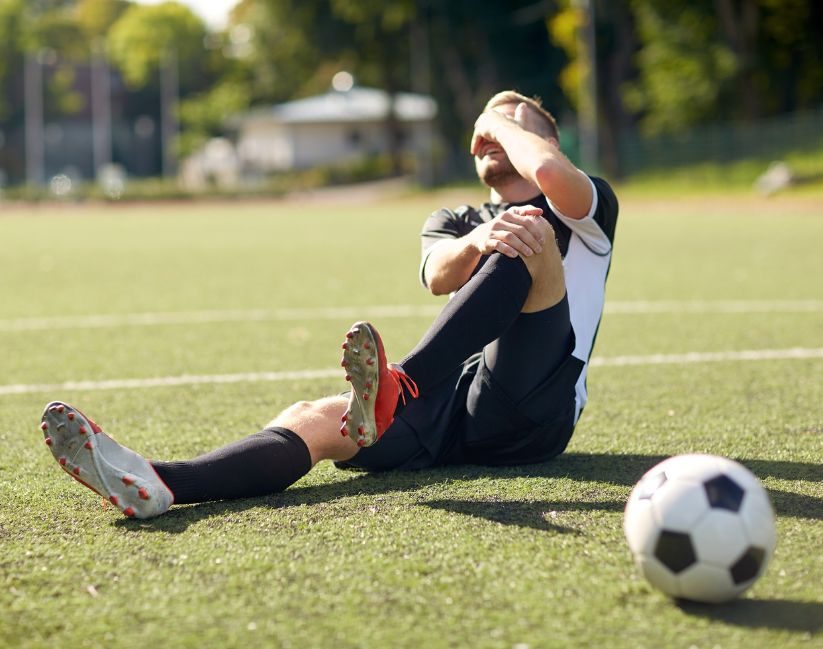
In the world of sports, injuries are an unfortunate reality. From sprains and strains to fractures and ligament tears, athletes at all levels face setbacks that can disrupt their training and competitive goals. But what truly separates athletes who bounce back stronger from those who struggle is the quality and dedication to post-injury rehabilitation.
Post-injury rehabilitation, guided by physiotherapy, is a critical phase that helps athletes recover not just from the injury itself but from the functional limitations that come with it. This process involves more than healing tissueits about restoring strength, mobility, confidence, and preventing future injuries.
In this blog, well explore why post-injury rehab matters, how physiotherapy enhances recovery, and what athletes should expect on their journey back to peak performance.
Why Is Post-Injury Rehabilitation So Important?
When an injury occurs, the body initiates a healing process that often requires rest and protection. However, rest alone doesnt guarantee a full return to previous athletic abilities. Without structured rehabilitation, athletes may experience:
Muscle Weakness and Atrophy: Immobilization or limited use causes muscle loss and reduced power.
Decreased Joint Mobility: Scar tissue and stiffness can limit range of motion.
Poor Movement Patterns: Compensation during healing may lead to biomechanical faults and further injury risk.
Psychological Barriers: Fear of re-injury can impact performance and motivation.
Effective post-injury rehabilitation addresses all these issues, ensuring the athlete returns stronger and more resilient.
The Physiotherapy Approach to Post-Injury Rehab
Physiotherapists are experts in musculoskeletal recovery and tailor rehab plans based on the injury type, severity, and the athletes goals. Heres how physiotherapy optimizes post-injury rehab:
1. Comprehensive Evaluation
Physiotherapists assess strength, flexibility, joint function, and movement quality. This thorough evaluation guides targeted rehab strategies.
2. Pain and Inflammation Management
Using manual therapy, modalities like ultrasound, and guided exercises, physiotherapists help reduce pain and swelling to facilitate healing.
3. Gradual Restoration of Mobility
Early mobilization exercises restore joint range of motion, preventing stiffness and aiding circulation.
4. Muscle Strengthening
Rebuilding strength around the injured area is critical. Physiotherapists design progressive resistance training that respects healing tissues while challenging muscles to regain power.
5. Neuromuscular Re-education
Re-training the nervous system to control muscles properly helps restore coordination and prevent faulty movement patterns.
6. Functional and Sport-Specific Training
Later stages of rehab include drills that mimic athletic demands, ensuring the athlete is prepared for real-game scenarios.
7. Psychological Support and Education
Physiotherapists provide encouragement and strategies to overcome fear and build confidence in the healing process.
Common Post-Injury Rehab Milestones for Athletes
Phase 1: Protection and Pain Control
Initial rest and gentle movement to reduce symptoms and protect the injury.
Phase 2: Mobility and Flexibility Restoration
Regain joint range and soft tissue length.
Phase 3: Strength and Stability
Rebuild muscle strength and joint stability to support function.
Phase 4: Functional Training
Begin sport-specific movements with control and precision.
Phase 5: Return to Sport
Gradual reintroduction to full training and competition under supervision.
Why Skipping or Rushing Rehab Can Be Risky
Athletes often feel pressure to return quickly, but skipping rehab or rushing stages increases the risk of re-injury or chronic issues. Without proper rehab, healed tissues may lack strength, coordination may be off, and compensations can developall leading to suboptimal performance and further injury.
Real-World Impact: Success Stories from Post-Injury Rehab
Countless athletes owe their successful comebacks to diligent rehab. Whether recovering from ACL tears, stress fractures, or muscle strains, physiotherapy-led rehab programs have helped athletes regain not just their physical form but their competitive edge.
How to Maximize Your Post-Injury Rehab
Follow your physiotherapists guidance consistently.
Communicate openly about pain or concerns.
Stay patient; healing and rebuilding take time.
Maintain a positive mindset and visualize your goals.
Incorporate complementary strategies like nutrition and adequate rest.
Conclusion
Post-injury rehabilitation is the bridge between injury and a strong, confident return to sport. Physiotherapy ensures that this bridge is safe, effective, and tailored to the athletes unique needs. By embracing rehab fully, athletes dont just recoverthey often come back better prepared to face the physical demands of their sport and reduce future injury risks.
If youre an athlete facing injury recovery, partnering with a skilled physiotherapist is one of the best investments you can make for your athletic future.