Boosts Brain Function Increases blood flow to the brain, improving focus, creativity, and mental clarity.

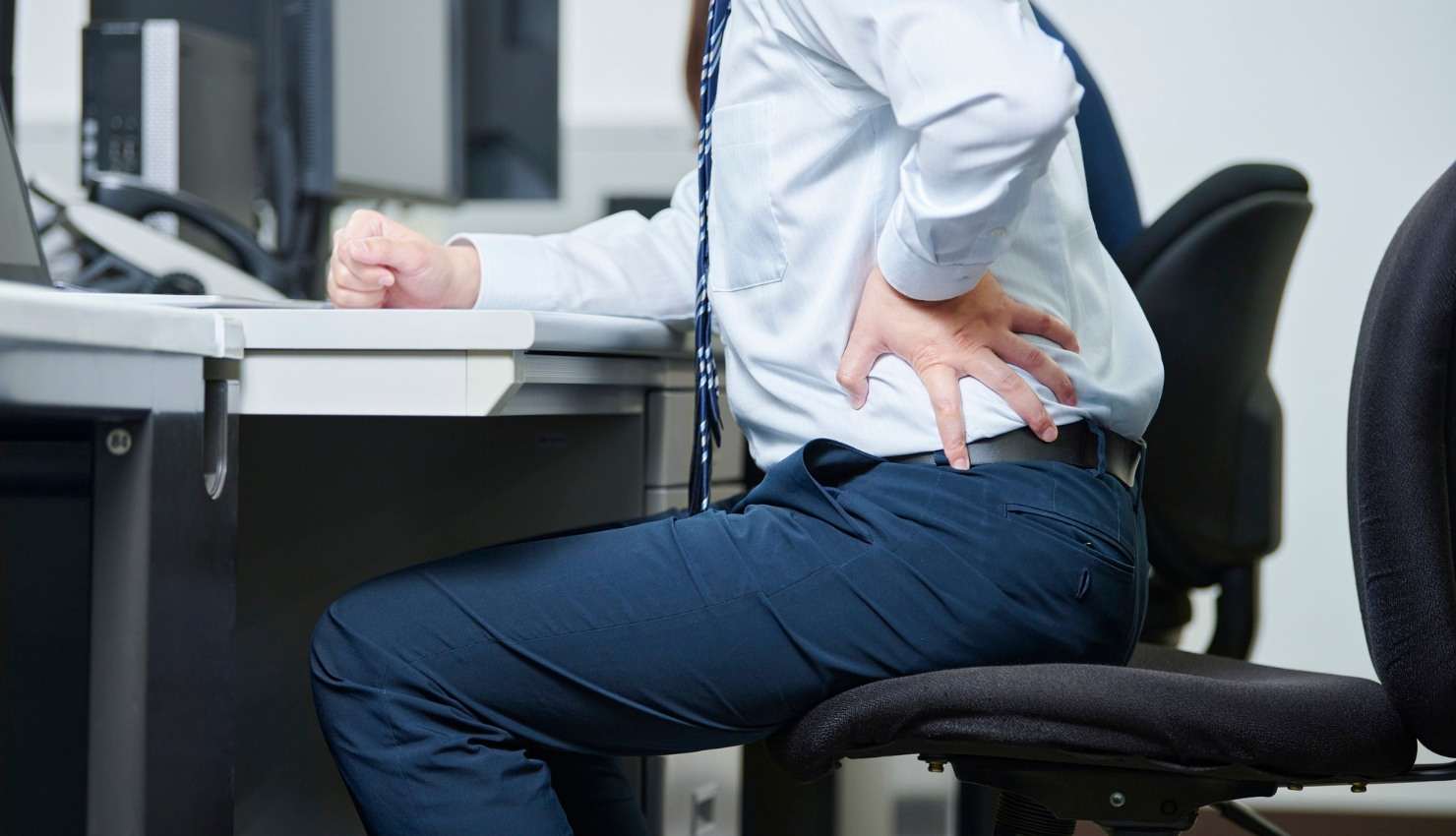
Boosts Brain Function
Increases blood flow to the brain, improving focus, creativity, and mental clarity.
Reduces mental fatigue during long tasks or meetings.
?? 2. Protects Your Spine and Joints
Movement prevents stiffness in the spine and compression in the discs.
Reduces risk of back, neck, and shoulder pain from static posture.
?? 3. Improves Muscle Balance
Sitting too long causes tight hip flexors and weak glutes/core.
Movement resets your posture and activates underused muscles.
?? 4. Supports Circulation and Heart Health
Light movement lowers the risk of blood clots, varicose veins, and cardiovascular issues associated with prolonged sitting.
?? 5. Boosts Mood and Reduces Stress
Movement triggers the release of endorphins and reduces cortisol, the stress hormone.
Helps break the monotony and prevents burnout.
?? Simple Ways to Add Movement to Your Day
? Use the 30:5 Rule
Every 30 minutes of sitting ? 5 minutes of movement
Walk around the room
Do a few shoulder rolls, spine twists, or leg stretches
March in place or do heel raises
?? Schedule Movement Breaks
Add movement meetings to your calendar
Use apps like Stretchly, Stand Up!, or reminders on your phone
????? Alternate Your Work Positions
Use a sit-stand desk if possible
Try floor sitting with proper cushions to promote varied posture
Stand for phone calls or video meetings
????? Stretch Daily
Just 5 minutes of stretching can ease muscular tension and reset your posture
Cat-cow stretches
Seated spinal twists
Chest openers
Standing hamstring stretch
??? Include Micro-Exercises
Wall push-ups
Squats every time you refill water
Calf raises while brushing teeth
? Final Physiotherapy Tip:
Motion is lotion for your joints. The more often you move, the more you protect your body from the effects of sedentary work life.