The Importance of Sports-Specific Therapy in Preventing Groin Injuries explores targeted strategies for recovery. Discover new paths to mobility, healing, and personalized care.

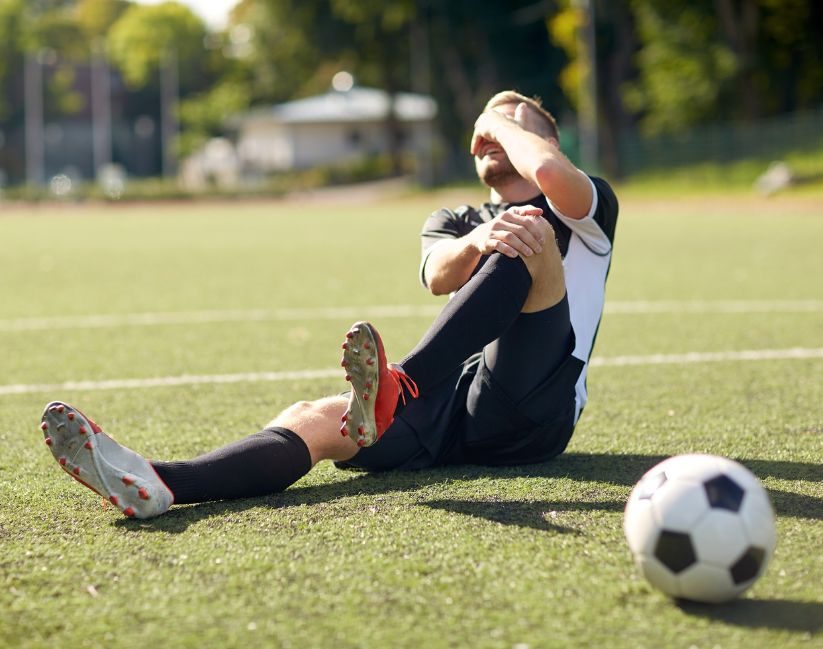
Groin injuries are one of the most frustrating and common complaints among athletes across a variety of sports. Whether youre a soccer player making quick lateral cuts, a hockey player pushing off explosively, or a dancer requiring flexible hip movements, the groin muscles are constantly working and vulnerable to strain or tears. These injuries not only cause pain but also significantly disrupt training and performance.
Preventing groin injuries is essential for any athlete serious about longevity and peak performance. Thats where sports-specific therapy steps ina targeted approach to strengthening, conditioning, and protecting the muscles involved in your particular sport. At YourFormsUX.com, serving athletes across Canada, we believe in customizing prevention programs that address the unique biomechanical stresses on your groin, helping you stay strong and injury-free.
Understanding Groin Injuries: What Causes Them?
The groin region consists of several muscles, including the adductors (inner thigh muscles) that help pull the legs toward the body. These muscles are heavily involved in movements such as running, cutting, pivoting, and kicking. Groin injuries usually occur due to:
Sudden, forceful movements beyond the muscles capacity
Overuse and repetitive stress without adequate recovery
Poor muscle strength or imbalance between opposing muscle groups
Inadequate warm-up or poor flexibility
Biomechanical flaws in movement or posture
In sports like soccer, hockey, rugby, and track, groin strains can be particularly common due to the rapid changes in direction and intense muscle contractions required.
Why Sports-Specific Therapy Is Crucial for Groin Injury Prevention
General fitness programs often overlook the unique demands placed on the groin muscles by different sports. Sports-specific therapy, however, focuses precisely on the muscles, movements, and injury risks relevant to your sport. This results in a more effective injury prevention strategy.
Here are the key reasons sports-specific therapy is vital:
1. Tailored Strengthening of Groin Muscles
The therapy targets the adductors, abductors, hip flexors, and core muscles, all of which play integral roles in groin stability. Strengthening these muscles improves their ability to absorb forces and prevents overload during sudden movements.
2. Correcting Muscle Imbalances
Often, groin injuries arise because of strength imbalanceswhen the adductors are weaker compared to opposing muscle groups like the abductors. Sports-specific programs identify and correct these imbalances through focused exercises, reducing injury risk.
3. Enhancing Flexibility and Mobility
Tightness in the groin or hip region restricts movement and increases susceptibility to strains. Flexibility training is a key component, improving muscle elasticity and joint range of motion.
4. Improving Movement Mechanics
Poor technique or faulty movement patterns can increase strain on the groin. Therapists analyze your sport-specific movements and provide drills to optimize your biomechanics, ensuring safer motion patterns during play.
5. Proprioceptive and Neuromuscular Training
Sports-specific therapy integrates balance and coordination exercises that improve your bodys ability to react to sudden direction changes or uneven surfaces, common triggers for groin injuries.
Components of a Sports-Specific Therapy Program for Groin Injury Prevention
At YourFormsUX.com, our approach includes:
Isometric and dynamic strengthening exercises: These build endurance and power in the adductor and hip muscles. Examples include side-lying leg lifts, resisted band walks, and controlled lunges.
Core stability training: A strong core supports the pelvis and prevents excessive strain on the groin during athletic movements. Pilates-style exercises and planks are often incorporated.
Flexibility drills: Targeted stretching routines help maintain hip and groin mobility, reducing tightness and injury risk.
Functional drills: Mimicking sport-specific movements such as lateral cuts, pivots, and acceleration/deceleration helps prepare muscles for real game scenarios.
Neuromuscular control: Balance boards, single-leg stands, and reaction drills sharpen proprioception, improving muscular coordination.
Early Identification and Management of Groin Issues
One of the advantages of working with sports-specific therapists is early detection of muscle tightness or weakness before it becomes a full-blown injury. Regular assessments and ongoing therapy help manage minor discomfort and prevent progression. Early intervention is critical because groin injuries often worsen with continued activity.
Recovery and Rehabilitation Through Sports-Specific Therapy
If a groin injury does occur, sports-specific therapy is equally important in guiding effective rehabilitation. Customized rehab programs promote:
Controlled restoration of strength and flexibility
Gradual reintroduction of sport-specific movements
Prevention of compensatory injuries elsewhere in the body
Psychological readiness to return to competition
By following a structured, individualized rehab plan, athletes recover faster and reduce the chance of reinjury.
Why Choose YourFormsUX.com for Sports-Specific Therapy in Canada?
YourFormsUX.com offers expert-led, personalized therapy designed around your sports unique demands. Our therapists combine clinical expertise with practical knowledge of athletic performance to deliver programs that are both effective and engaging. We work with athletes at all levelsfrom weekend warriors to elite professionalshelping you stay healthy and competitive.
Tips to Complement Sports-Specific Therapy for Groin Injury Prevention
Always perform a proper warm-up, including dynamic stretches for the hips and groin
Maintain balanced training routines that include strength, flexibility, and cardiovascular fitness
Avoid sudden increases in training intensity or volume
Use proper footwear and equipment that support your sports movements
Listen to your body and seek therapy promptly if you notice tightness or pain
Final Thoughts
Groin injuries can be a major setback, but with the right prevention strategy, you can minimize your risk and keep performing at your best. Sports-specific therapy offers a comprehensive, targeted approach to strengthening, balancing, and protecting the groin muscles, customized to the unique demands of your sport.
At YourFormsUX.com, we are passionate about helping Canadian athletes maintain peak physical health and avoid injury through smart, evidence-based therapy. Whether youre a soccer star, hockey player, or weekend runner, investing in sports-specific therapy for groin injury prevention can make all the difference in your athletic journey.
Stay strong, stay flexible, and keep moving with confidence by partnering with YourFormsUX.com today.