Chronic pain affects millions of people worldwide and can be debilitating, impacting daily life, work, and overall quality of life. It can result from a variety of conditions, including arthritis, fibromyalgia, muscle tension, and nerve-related pain.

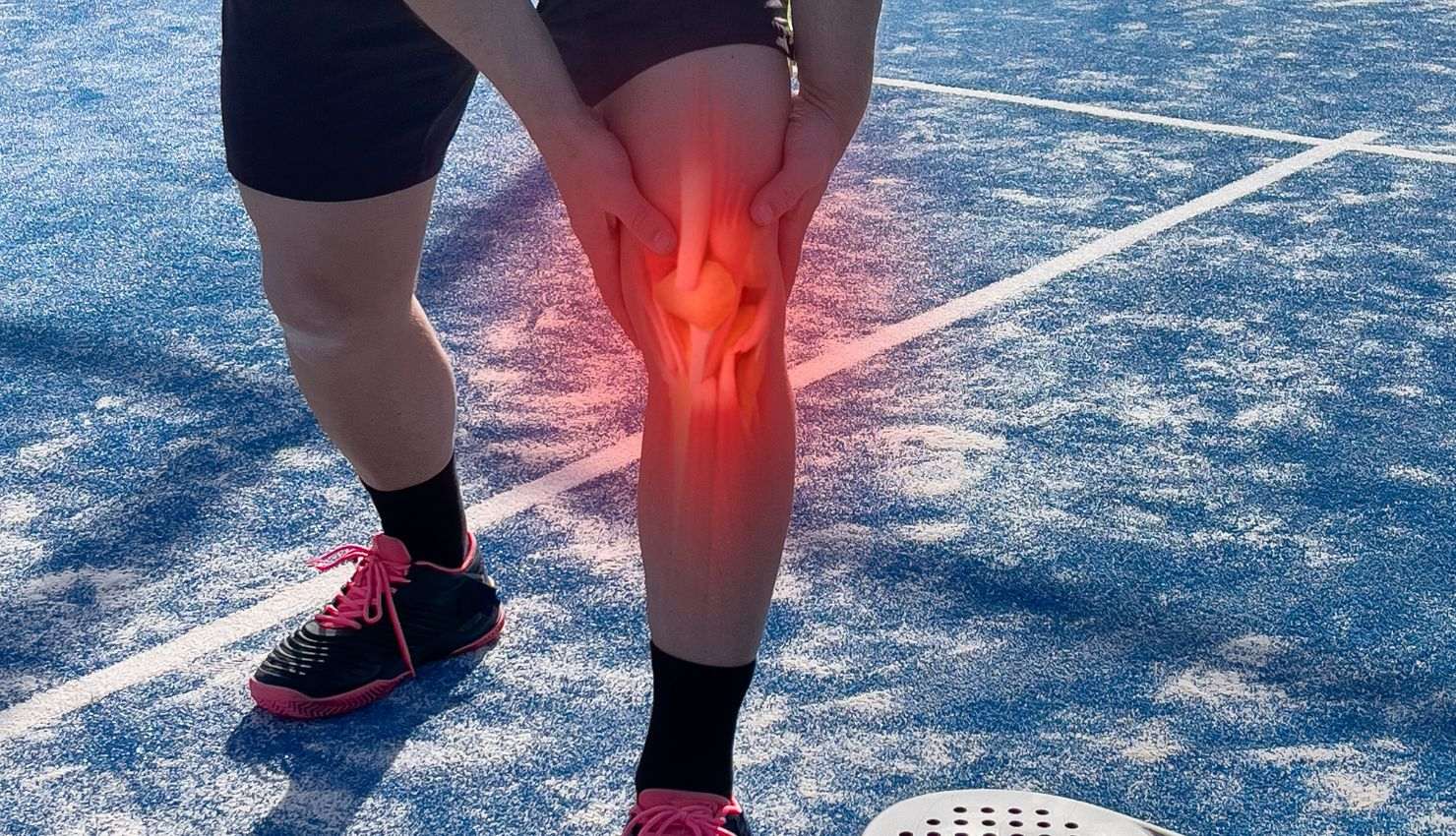
Chronic pain affects millions of people worldwide and can be debilitating, impacting daily life, work, and overall quality of life. It can result from a variety of conditions, including arthritis, fibromyalgia, muscle tension, and nerve-related pain. While medications and other treatments may be part of the management plan, stretching plays a significant role in alleviating chronic pain. Incorporating regular stretching into a pain management routine can help improve flexibility, reduce muscle tension, and provide long-term relief.
Heres why stretching is crucial in managing chronic pain:
### **1. Relieving Muscle Tension**
One of the primary contributors to chronic pain is muscle tension. Prolonged tightness in muscleswhether from stress, injury, or lack of movementcan lead to pain, discomfort, and even restricted mobility. Stretching helps to release this muscle tension, offering immediate and long-term pain relief.
#### **How Stretching Helps with Muscle Tension:**
* **Increases Muscle Length**: Stretching helps elongate shortened muscles, which may become tight and stiff over time. This alleviates pressure on the joints and soft tissues, reducing pain caused by muscle stiffness.
* **Improves Circulation**: Stretching promotes blood flow to the muscles and tissues, helping to deliver oxygen and nutrients while flushing out metabolic waste products. This improved circulation can reduce soreness and promote healing.
* **Reduces Muscle Spasms**: Tight muscles are prone to spasms, which can intensify pain. Stretching helps relax muscles, preventing spasms and providing relief from painful contractions.
By regularly stretching, muscles remain more flexible, relaxed, and less prone to tension-related pain.
—
### **2. Improving Flexibility and Joint Mobility**
Chronic pain often leads to decreased flexibility and joint stiffness, which can make movement difficult and painful. Stretching exercises are essential for improving range of motion (ROM) in the joints, which is especially important for conditions like arthritis, back pain, or tendonitis.
#### **How Stretching Improves Flexibility and Mobility:**
* **Increases Joint Range of Motion (ROM)**: Regular stretching helps maintain or increase the range of motion in the affected joints, allowing for smoother movement and less discomfort when performing everyday activities.
* **Lubricates Joints**: Stretching encourages the movement of synovial fluid within the joints, which helps to lubricate the joint surfaces, reduce friction, and ease stiffness associated with conditions like osteoarthritis.
* **Prevents Joint Deformities**: In chronic conditions such as arthritis, prolonged muscle tightness can lead to deformities or abnormal joint positioning. Stretching maintains proper joint alignment and function, reducing the risk of deformity over time.
By improving flexibility and mobility, stretching helps restore normal movement patterns, easing joint pain and stiffness.
—
### **3. Reducing Inflammation**
Chronic pain is often accompanied by inflammation, which can intensify discomfort and restrict mobility. Stretching can help reduce inflammation in the muscles and joints, leading to decreased pain and improved function.
#### **How Stretching Helps with Inflammation:**
* **Improves Lymphatic Drainage**: Stretching helps stimulate the lymphatic system, which plays a key role in removing excess fluid and waste products from the tissues. This can help reduce swelling and inflammation, particularly in the muscles and joints.
* **Stimulates Healing**: Stretching encourages blood flow, which aids in the delivery of nutrients to the affected tissues. Improved circulation can promote tissue repair, reduce swelling, and support the body’s natural anti-inflammatory response.
* **Decreases Pressure on Nerves**: For conditions like sciatica or neuropathic pain, inflammation can place pressure on nearby nerves, causing pain. Stretching helps alleviate tension in muscles and tissues that may be pressing on these nerves, providing relief from nerve-related pain.
Stretching can reduce inflammation, helping to control pain and prevent flare-ups of chronic conditions.
—
### **4. Enhancing Posture**
Chronic pain often leads to poor posture, which can further exacerbate discomfort. Tight muscles and imbalances caused by pain can result in abnormal spinal alignment, leading to additional strain on muscles and joints. Stretching helps correct postural imbalances, promoting proper alignment and reducing pain.
#### **How Stretching Improves Posture:**
* **Relieves Muscle Tightness**: Stretching helps loosen tight muscles that contribute to poor posture, such as the hip flexors, back muscles, and chest muscles. This allows the body to align more naturally, reducing strain on the spine and joints.
* **Strengthens Postural Muscles**: Stretching can also involve exercises that engage the muscles responsible for good posture, such as the core, back, and shoulder muscles. Strengthening and stretching these muscles together helps support proper alignment.
* **Reduces Strain on the Spine**: Tight muscles often pull the spine out of its optimal alignment, causing discomfort and pain. Stretching helps restore the natural curves of the spine, reducing pressure on the vertebrae and discs.
By improving posture, stretching reduces the strain on the spine and surrounding muscles, leading to pain relief and better alignment.
—
### **5. Promoting Relaxation and Reducing Stress**
Chronic pain is often compounded by stress, which can make pain worse. Stretching has a calming effect on the body and mind, helping to promote relaxation and reduce the mental and emotional impact of chronic pain.
#### **How Stretching Promotes Relaxation:**
* **Activates the Parasympathetic Nervous System**: Stretching encourages the relaxation response by stimulating the parasympathetic nervous system (the body’s “rest and digest” system), which helps calm the body and reduce pain perception.
* **Releases Endorphins**: Stretching can trigger the release of endorphins, the body’s natural pain-relieving chemicals. These endorphins not only alleviate physical pain but also improve mood and promote a sense of well-being.
* **Reduces Muscle Tension**: Stretching helps release physical tension stored in muscles, which often results from stress or pain. Relaxed muscles contribute to a more relaxed state of mind, reducing the cycle of pain and stress.
Stretching provides both physical and psychological benefits, helping to manage the emotional toll that chronic pain can take.
—
### **6. Preventing Future Pain and Injury**
Regular stretching not only helps manage existing chronic pain but also plays a key role in preventing future injuries. By maintaining muscle flexibility, joint mobility, and balanced muscle strength, stretching reduces the risk of strains, sprains, and other injuries that could lead to further pain.
#### **How Stretching Prevents Future Pain and Injury:**
* **Increases Flexibility and Resilience**: Stretching enhances the elasticity of muscles, ligaments, and tendons, making them less prone to injury. Flexible muscles are better able to absorb shock and stress, reducing the risk of strains or tears.
* **Improves Joint Health**: Stretching promotes healthy joint function by improving ROM and lubrication, which helps prevent joint stiffness, inflammation, and degeneration over time.
* **Corrects Muscle Imbalances**: Chronic pain often arises from muscle imbalances, where some muscles become tight and others weak. Stretching helps balance muscle tension, which supports proper posture, movement, and function, preventing future pain.
By making stretching a part of your daily routine, you help maintain long-term mobility, flexibility, and overall joint health, reducing the likelihood of developing new pain or injuries.
—
### **7. Supporting Mental and Emotional Well-Being**
Living with chronic pain can be mentally and emotionally taxing, leading to feelings of frustration, anxiety, or depression. Stretching provides an opportunity to connect with the body, alleviate tension, and foster a sense of empowerment and control over pain.
#### **How Stretching Helps with Mental and Emotional Well-Being:**
* **Mind-Body Connection**: Stretching promotes mindfulness by encouraging you to focus on your breath and body awareness. This helps reduce stress, improve focus, and support mental well-being.
* **Encourages Relaxation**: Gentle stretching, especially when combined with deep breathing, can be a form of relaxation, offering a mental break from the constant focus on pain and discomfort.
* **Boosts Mood**: Stretching promotes the release of feel-good chemicals (endorphins and serotonin), which can boost mood and decrease the emotional burden of chronic pain.
Stretching provides an opportunity to not only alleviate physical discomfort but also improve mental health, helping you feel more in control of your pain.
—
### **Conclusion**
Stretching is a simple yet effective tool for managing chronic pain. By improving flexibility, reducing muscle tension, enhancing circulation, and promoting relaxation, stretching provides long-term pain relief and helps prevent future injuries. In addition to its physical benefits, stretching supports mental and emotional well-being, offering a holistic approach to pain management. Whether it’s related to back pain, arthritis, fibromyalgia, or general muscle tightness, incorporating stretching into your daily routine can significantly improve mobility, reduce pain, and enhance your overall quality of life. If you’re living with chronic pain, consulting a physiotherapist for a tailored stretching program can help you get on the path to recovery and long-term pain relief.