We all know we should stretch but lets be honest, how often do we actually do it? Whether youre a weekend jogger, a desk-bound professional, or somewhere in between, stretching often falls to the bottom of the wellness checklist. But heres the thing: stretching isnt just for athletes or yogis.

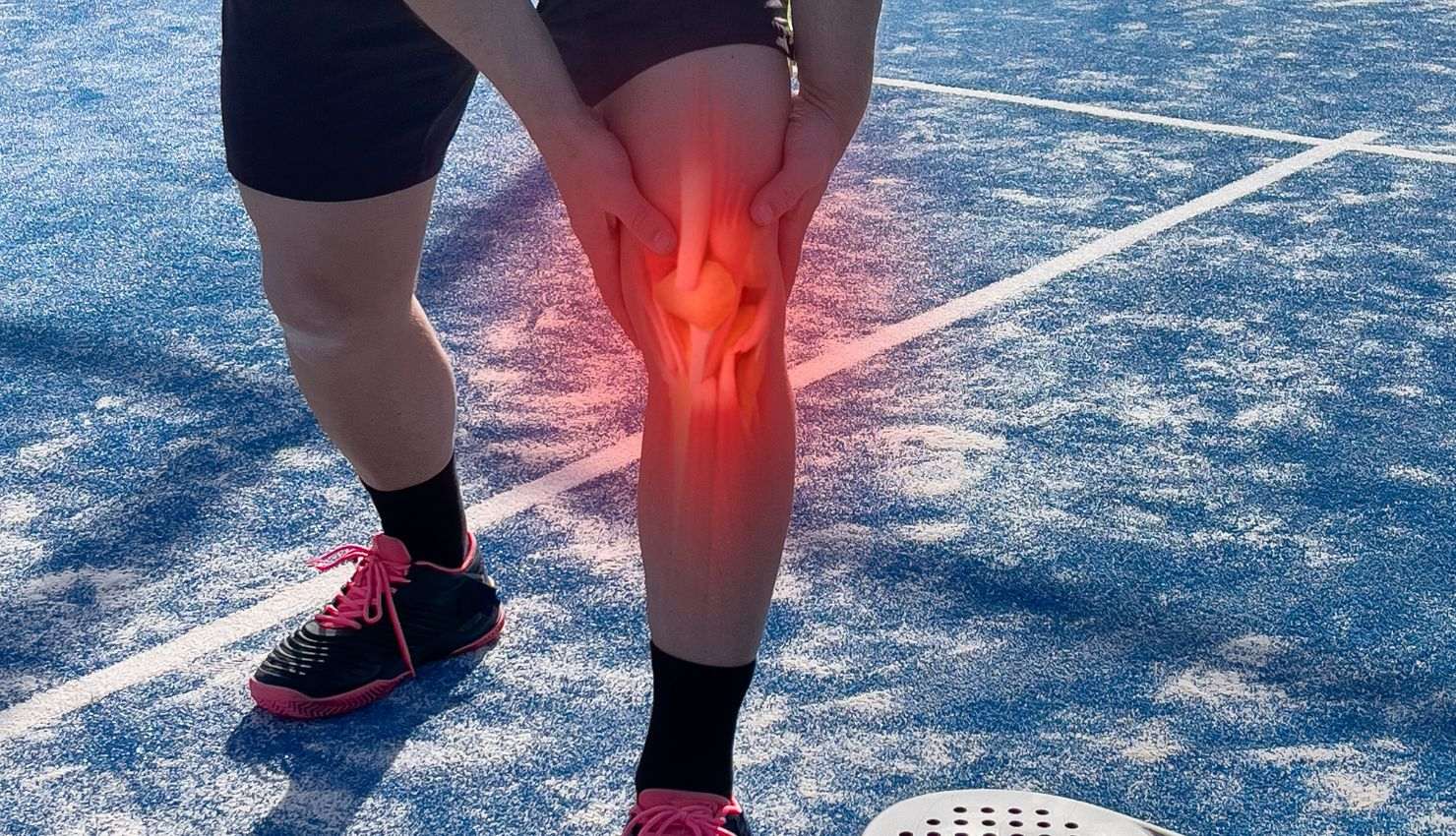
We all know we should stretch but lets be honest, how often do we actually do it? Whether youre a weekend jogger, a desk-bound professional, or somewhere in between, stretching often falls to the bottom of the wellness checklist.
But heres the thing: stretching isnt just for athletes or yogis. Its a simple, powerful habit that can help prevent injuries, reduce pain, and keep your body moving comfortably no matter your age or activity level.
Lets break down why stretching matters more than you might think.
?? Why Is Stretching So Important?
Stretching keeps your muscles flexible, strong, and healthy which is exactly what they need to do their job properly. When muscles are tight or shortened, they can:
Limit your range of motion
Pull on joints and cause misalignment
Make you more prone to strains, sprains, and general discomfort
Stretching helps to lengthen the muscles, improve circulation, and maintain good joint health all while reducing that creaky feeling we get after sitting too long or waking up stiff.
????? How Stretching Helps Prevent Injury
When your muscles are flexible and well-balanced, your body moves more efficiently and that means less risk of injury. Heres how stretching supports injury prevention:
? Improves Range of Motion
Tight muscles limit how far your joints can move. Stretching increases flexibility, helping you move with better form whether you’re lifting a box or reaching into a high cabinet.
? Warms Up Muscles Before Activity
Dynamic stretching (think leg swings or arm circles) preps the body for exercise by increasing blood flow and gently activating muscles. This reduces the chance of pulling or straining something mid-move.
? Promotes Muscle Recovery
Post-workout static stretching helps relax the muscles, reduce soreness, and promote quicker recovery which means fewer aches and less stiffness the next day.
? How Stretching Helps Reduce Pain
Many common aches and pains especially in the neck, shoulders, back, and hips stem from tight, overworked muscles or poor posture. Stretching can help by:
Releasing tension in problem areas
Realigning muscle imbalances (like tight hip flexors causing lower back pain)
Encouraging better posture by lengthening shortened muscles
Even just 510 minutes a day can make a noticeable difference, especially if youre someone who sits a lot or does repetitive movements.
????? Types of Stretching (and When to Do Them)
Not all stretches are created equal. Here are the main types youll hear about and when to use them:
?? Dynamic Stretching Before Activity
These are controlled movements that warm up muscles and joints.
Examples: leg swings, walking lunges, arm circles
? Static Stretching After Activity or Anytime to Relax
This involves holding a stretch for 2030 seconds to lengthen the muscle.
Examples: hamstring stretch, triceps stretch, calf stretch
?? PNF or Assisted Stretching With a Partner or Physio
This advanced technique combines stretching and muscle contraction to improve flexibility. Often used in physiotherapy for rehab or chronic tightness.
?? When Should You Stretch?
Daily Especially if you sit for long hours
Before exercise Use dynamic stretches to prep muscles
After exercise Use static stretches to cool down and aid recovery
When you’re stiff or sore Gentle stretching can provide relief
Consistency is key you dont have to be perfect, just regular. Think of stretching like brushing your teeth: a little every day keeps the problems away.
?? Common Stretching Mistakes to Avoid
Bouncing during a stretch Can cause injury
Holding your breath Breathe deeply and calmly
Stretching cold muscles too aggressively Always warm up first
Forcing into pain Stretching should feel good, not painful
In a Nutshell
Stretching may seem simple, but it plays a big role in how your body feels and functions. It can help you move better, feel looser, reduce pain, and steer clear of injury all without fancy equipment or a big time commitment.
So whether you’re starting your day or winding down after a workout, take a few minutes to stretch. Your muscles (and your future self) will thank you.