The Link Between Mobility & Joint Optimization and Reduced Muscle Pain explores targeted strategies for recovery. Discover new paths to mobility, healing, and personalized care.

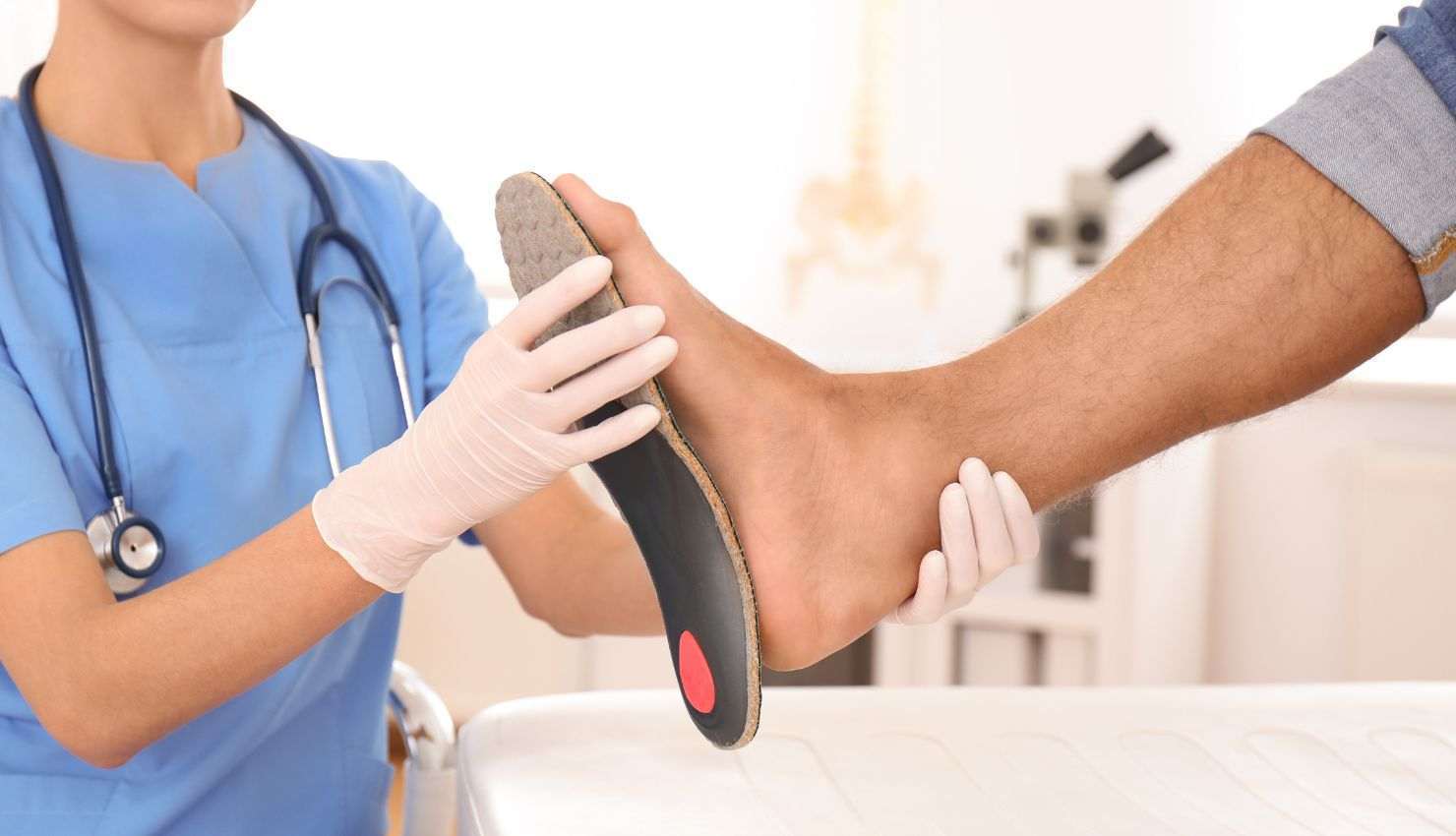
Muscle painwhether its a dull ache after sitting too long, tightness during movement, or chronic soreness that lingers for dayscan be frustrating and disruptive. Many people turn to stretching or massage to find relief, but the solution often lies deeper in how your joints move and how your body distributes force. At YourFormSux (YFS), we help clients reduce muscle pain by improving mobility and optimizing joint function, which directly affects how muscles behave under load and at rest.
Muscles dont work in isolation. They are part of a larger movement system that depends on joint alignment, neuromuscular control, and nervous system regulation. When one part of the system breaks down, the result is often muscle pain, tension, or fatigue.
Understanding the Muscle-Joint Connection
Muscles create movement, but joints allow movement to happen in the first place. If a joint is stiff, unstable, or misaligned, muscles have to work harder to compensate. This leads to:
Overactive or tight muscles trying to stabilize poorly functioning joints
Underactive muscles that become weak and fatigued
Compensatory patterns that strain certain areas repeatedly
Reduced efficiency in movement and recovery
Over time, this dysfunction can cause persistent muscle pain, especially in the neck, shoulders, back, hips, and legs.
At YFS, we dont just treat the musclewe treat the movement system behind it.
What Is Mobility and Why Is It Crucial for Muscle Health?
Mobility refers to your ability to move a joint actively through its full, functional range with control. It includes joint motion, soft tissue pliability, and neuromuscular coordination. If mobility is restrictedeither by tight tissues, joint stiffness, or nervous system guardingmuscles often respond by:
Becoming hypertonic (chronically tight)
Developing trigger points or referred pain
Fatiguing quickly due to inefficient load distribution
Losing their ability to contract and relax properly
In contrast, when joints move well, muscles can contract, release, and recover optimally, reducing unnecessary pain and tension.
What Is Joint Optimization?
Joint optimization ensures that each joint in your body functions according to its structural rolewhether thats providing mobility (like your hips and shoulders) or stability (like your knees and lumbar spine). When joints are out of sync, they create a ripple effect:
A stiff ankle may cause the calf muscles to overwork
A locked thoracic spine can force the neck muscles into constant tension
Poor hip mobility may lead to overuse of the low back and hamstrings
By improving how each joint moves and supports the surrounding muscles, we can significantly reduce muscular strain and pain.
How Physiotherapy at YFS Addresses Muscle Pain Through Joint and Mobility Work
Our physiotherapy programs focus on identifying the root cause of muscle tension, rather than just treating symptoms. Heres how we approach muscle pain through mobility and joint optimization:
1. Joint-by-Joint Assessment
We begin by evaluating joint range of motion, movement control, and how force is transferred through the kinetic chain. This helps us locate restrictions or imbalances contributing to muscle overuse.
2. Manual Therapy for Joint Mobilization
Using joint mobilizations and soft tissue release, we help free up stiff joints, reduce muscular guarding, and improve joint alignment. This allows the nervous system to downregulate protective muscle tension.
3. Mobility Repatterning and Activation
We teach your body to move differently. Through mobility drills, we re-establish active control in weak or underused ranges, improving muscle engagement and reducing strain on overactive tissues.
4. Nervous System Regulation
Muscle tension often stems from a hypervigilant nervous system. We use techniques like diaphragmatic breathing, positional resets, and gentle somatic movement to restore calm and control to your systemmaking movement more comfortable.
5. Posture and Movement Optimization
We evaluate how you stand, walk, sit, and lift. These daily patterns often contribute to chronic muscle tension. We coach better mechanics that offload overworked muscles and improve functional alignment.
Common Muscle Pain Issues Addressed Through Joint and Mobility Work
We regularly help clients resolve:
Neck and shoulder tension from thoracic spine stiffness or poor scapular control
Low back tightness from restricted hip mobility or poor core activation
Hamstring and calf tightness due to ankle dysfunction or pelvic instability
Glute soreness or piriformis pain related to sacroiliac joint misalignment
Upper trapezius strain from dysfunctional breathing or forward-head posture
If youve been stretching the same muscle for weeks with no improvement, the issue may not be in the muscleit may be coming from a nearby joint or movement dysfunction.
Why This Approach Works for Long-Term Relief
When muscles are no longer compensating for poor joint mechanics, they can:
Relax when not in use
Contract more efficiently under load
Recover faster from training or activity
Distribute force evenly across the body
Resist fatigue and injury
This creates a sustainable solutionnot just a temporary fix.
Who Benefits from This Approach?
Mobility and joint optimization for muscle pain is ideal for:
Office workers with chronic shoulder and neck tension
Athletes with recurring hamstring or calf issues
Runners and gym-goers experiencing hip or low back tightness
Yoga or Pilates enthusiasts with limited joint control
Anyone who feels tight all the time but lacks long-term relief
Individuals recovering from past injuries or surgery
You dont have to be in severe pain to benefitpreventive mobility work can stop muscle tension from becoming chronic.
The YFS Philosophy: Stronger, Smarter, Pain-Free Movement
At YourFormSux, we dont just look at where the pain iswe look at why its there. Our physiotherapists are trained to decode how your joints, muscles, and nervous system interact to create movementand how to correct that movement for long-term comfort and control.
If youre in Canada and looking for relief from muscle pain, joint-focused physiotherapy, or functional mobility programs, YFS offers the integrated care you need to move and feel betterfor good.