The Link Between Movement and Mental Health in Older Adults brings new meaning to proactive care. Tap into fresh strategies that promote movement and strength.

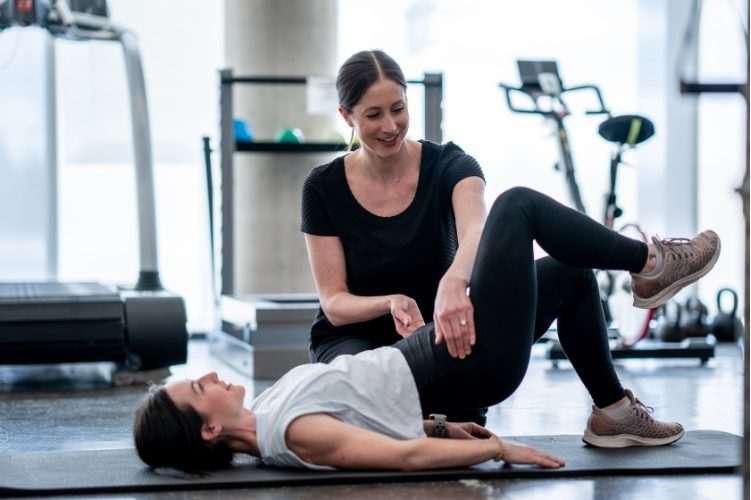
As people age, mental health often becomes a more pressing concern. Older adults may experience loneliness, anxiety, depression, memory issues, and increased stress related to physical decline or life transitions. While medication and therapy can be beneficial, there is a highly effective yet underutilized tool for improving emotional well-being in seniorsmovement. At YourFormSux (YFS), we emphasize movement-based physiotherapy to support mental health in older adults and promote holistic aging.
Understanding Mental Health Challenges in Older Adults
Mental health issues among seniors are common but often overlooked. Changes in routine, retirement, loss of loved ones, and chronic health conditions can all contribute to emotional distress. Additionally, the natural aging process may bring cognitive changes that impact memory, attention, and decision-making.
Movement therapy addresses these concerns by restoring a sense of purpose, independence, and vitality. At YFS, we see movement not just as exercise, but as a healing practice that supports the emotional and cognitive needs of older adults.
How Movement Influences Mood and Emotional Health
Engaging in regular movementwhether its walking, stretching, or physiotherapy-guided sessionsstimulates the release of endorphins, serotonin, and dopamine. These chemicals are essential for regulating mood and reducing symptoms of depression and anxiety.
At YFS, our physiotherapists create personalized routines that focus on gentle, safe movements. These sessions not only improve physical strength and balance but also bring emotional relief by reducing nervous system overactivation and enhancing mental clarity.
Building Routine and Reducing Isolation
One of the greatest mental health risks for older adults is social isolation. With fewer daily engagements, many seniors struggle with a lack of structure and meaningful interaction. Movement therapy sessions offer both routine and connectiontwo vital components of mental wellness.
YFS offers movement programs that encourage consistency. Regular sessions provide structure, while interaction with physiotherapists fosters a sense of community and belonging, reducing feelings of loneliness and enhancing self-esteem.
Enhancing Cognitive Function Through Movement
Cognitive decline is a major concern for older adults, but regular movement has been shown to support brain health and slow memory loss. Physical activity increases blood flow to the brain, supporting neuron growth and improving attention, reasoning, and executive function.
At YFS, our movement-based physiotherapy integrates balance work, coordination exercises, and posture correction to stimulate mental activity alongside physical improvement. Seniors benefit not just physically but mentally, reporting greater alertness, focus, and confidence.
Supporting Independence and Empowerment
A loss of independence can have a serious impact on an older adults mental health. Movement therapy restores mobility, balance, and flexibility, which in turn supports the ability to engage in daily activities without assistance.
This empowerment contributes to a renewed sense of self-worth and agency. At YFS, we help older adults experience success through small, achievable movement goals that restore not only physical abilities but emotional confidence.
Managing Stress and Chronic Conditions
Older adults often face multiple health conditions, and managing these can become emotionally overwhelming. Movement therapy helps by improving circulation, reducing inflammation, and calming the nervous systemmaking it easier to manage both the physical and mental load of chronic illness.
We tailor each movement plan at YFS to respect individual medical histories and limitations, ensuring that therapy is safe, accessible, and emotionally supportive.
Improving Sleep and Reducing Restlessness
Sleep disturbances become more common with age, and poor sleep is strongly linked to mental health challenges like anxiety and depression. Regular movement promotes better sleep by resetting circadian rhythms and reducing physical discomfort that may interrupt rest.
At YFS, our movement programs include relaxation-focused routines that prepare the body for deep, restorative sleepenhancing both mood and overall well-being.
A Holistic Approach to Aging
Aging well means supporting the whole personmind and body alike. Movement-based physiotherapy nurtures this connection, offering older adults a practical, compassionate way to care for their mental health. Unlike traditional workouts, our programs focus on ease, safety, and emotional support.
With YFS, seniors feel seen, supported, and empowered. Movement becomes more than just physicalits a meaningful practice that uplifts the spirit, sharpens the mind, and honors the journey of aging.
Conclusion: Moving Toward Better Mental Health in Later Life
The link between movement and mental health in older adults is undeniable. With the right support, movement can help seniors reduce stress, improve mood, maintain cognitive function, and reclaim their sense of independence. At YourFormSux, we specialize in physiotherapy and movement therapy that addresses the unique emotional and physical needs of older adults, making wellness accessible at every age.
Aging doesn’t mean slowing down your happiness. It means finding new, empowering ways to stay connectedto your body, your mind, and your life.