The Link Between Osteopathy and Structural Integration for Postural Correction explores targeted strategies for recovery. Discover new paths to mobility, healing, and personalized care.

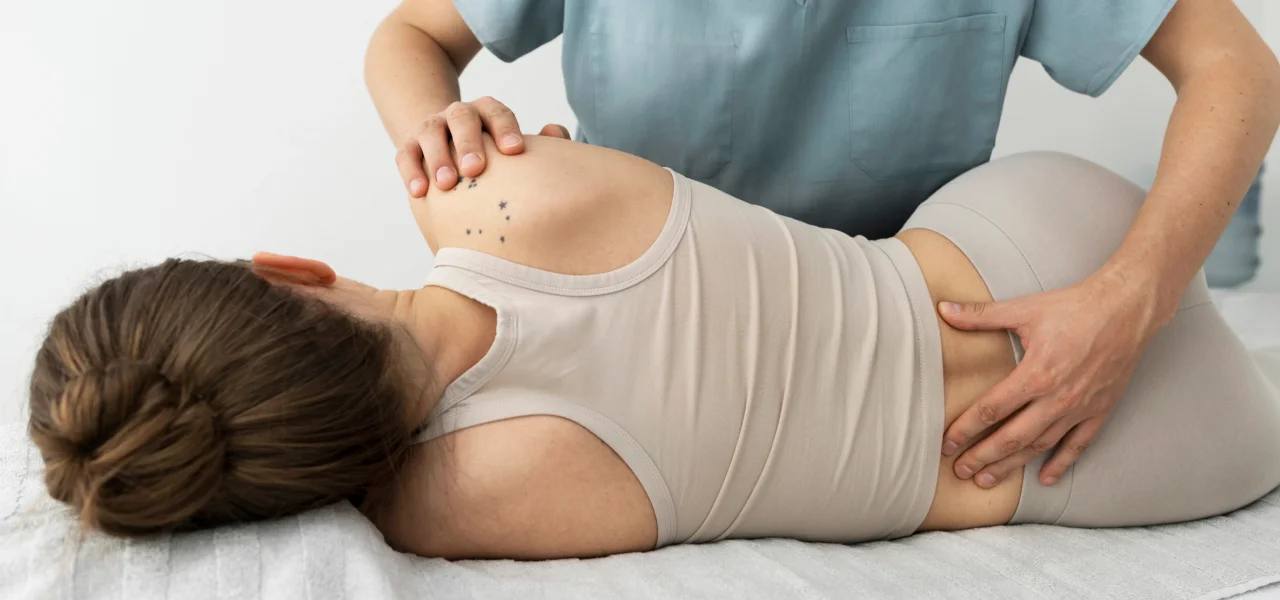
Posture is more than just how you stand or sitits the foundation of your bodys health and function. Poor posture can lead to pain, stiffness, and a host of chronic issues, but correcting it often requires a deep, whole-body approach.
Thats where osteopathy and structural integration (SI) come in. While each therapy has its own unique methods, they share a common goal: to restore natural alignment, balance muscle tension, and improve your posture for lasting relief and better movement.
What Is Osteopathy?
Osteopathy is a holistic manual therapy focusing on the musculoskeletal systembones, muscles, joints, and connective tissue. Osteopaths assess your body as a whole, identifying imbalances or restrictions that affect posture and movement. Using gentle, hands-on techniques, they work to:
Release tension
Improve joint mobility
Restore spinal alignment
Support your bodys natural healing process
What Is Structural Integration?
Structural Integration is a specialized form of bodywork focusing on the fasciathe connective tissue surrounding muscles, bones, and organs. SI works by:
Releasing fascial tightness and restrictions
Realigning your bodys structure
Enhancing movement efficiency
Improving body awareness
SI typically involves a series of sessions that gradually rebalance the whole body.
How Osteopathy and Structural Integration Complement Each Other for Posture
1. Addressing Different Layers of the Body
Osteopathy primarily works on joints, muscles, and bones, helping restore mobility and alignment. Structural Integration targets the fascia, releasing deeper restrictions that often pull your body out of posture.
2. Creating Lasting Structural Balance
While osteopathy can provide immediate relief and alignment adjustments, SI helps maintain and reinforce these changes by retraining the fascia and muscles to support better posture long term.
3. Enhancing Body Awareness and Movement Patterns
Both therapies increase your awareness of how you hold and move your body. This mindful approach encourages healthier posture habits beyond the treatment room.
4. Reducing Pain and Preventing Future Problems
By combining osteopathys joint and muscle work with SIs fascial release, you reduce chronic tension and imbalances that often cause pain and postural deterioration.
Who Benefits Most?
Anyone struggling with:
Poor posture from sitting, standing, or repetitive work
Chronic neck, back, or shoulder pain
Postural changes due to injury or surgery
Postural issues linked to stress and tension
Athletes or active individuals seeking optimal alignment
Together, osteopathy and SI offer a comprehensive approach to postural correction.
What to Expect from Combined Treatment
Many clinics offer integrative care combining osteopathy and structural integration. Treatment plans are personalized and may include:
Osteopathic assessment and manual therapy
Structural integration sessions focusing on fascial release
Movement education and posture retraining exercises
The goal is to help you stand taller, move more freely, and feel better day-to-day.
Final Thoughts
Osteopathy and Structural Integration each bring unique tools to the table, but when combined, they form a powerful duo for correcting posture and restoring balance. By addressing both the surface and deeper layers of your body, they help you achieve lasting, pain-free alignmentand a more confident, comfortable you.