Lower back pain is a common concern among women, often attributed to posture, physical strain, or stress. However, one of the lesser-known contributors to chronic back discomfort is poor pelvic floor health.

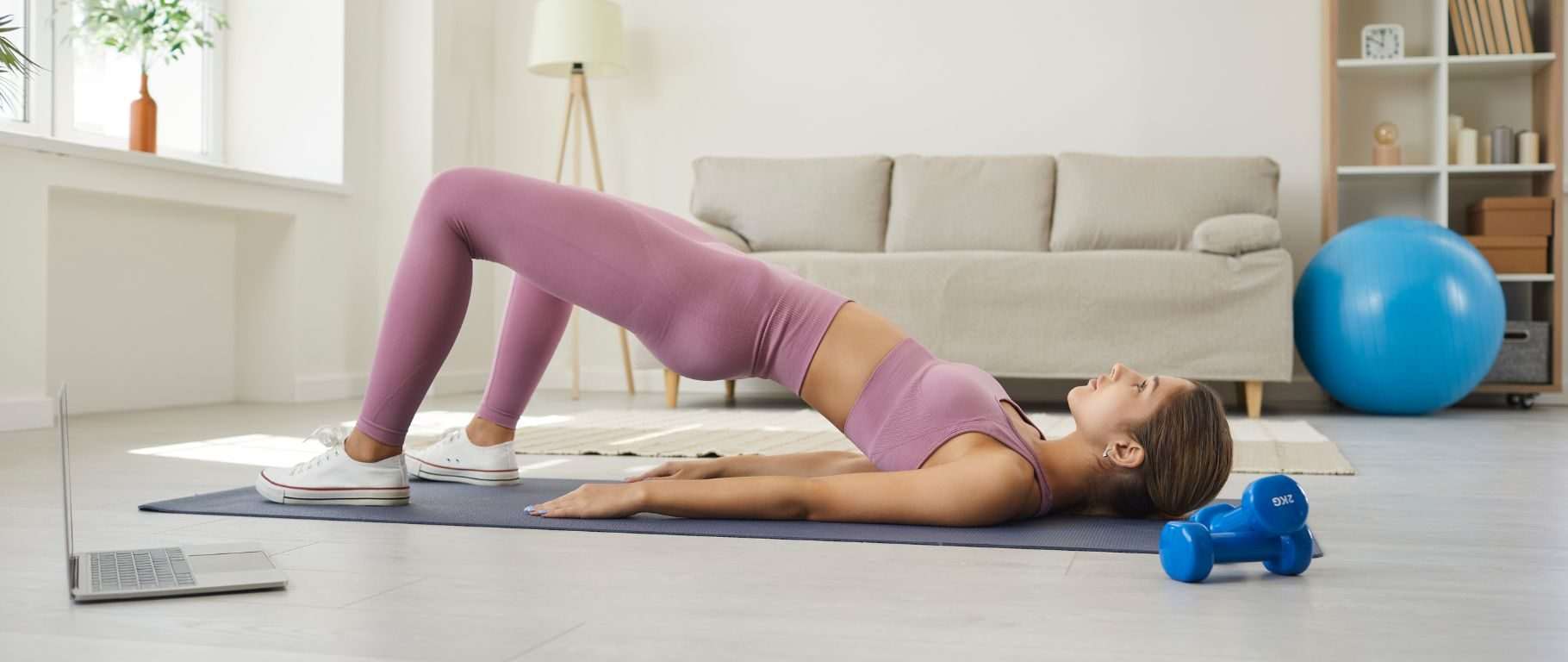
Lower back pain is a common concern among women, often attributed to posture, physical strain, or stress. However, one of the lesser-known contributors to chronic back discomfort is poor pelvic floor health. The pelvic floor and lower back are intricately connected through the core muscle system, and dysfunction in one area can significantly affect the other. Understanding this relationship can unlock effective strategies for pain relief and long-term wellness.
Understanding the Pelvic FloorSpine Connection
The pelvic floor is part of a coordinated muscle group that includes the diaphragm, deep abdominal muscles (transverse abdominis), and spinal stabilizers (multifidus). Together, they form the core canister, which maintains spinal alignment, supports internal organs, and stabilizes the body during movement.
When the pelvic floor is weak, tense, or imbalanced, it disrupts this core system, forcing the lower back to overcompensate. Over time, this can lead to:
Chronic lower back pain
Hip and sacroiliac joint discomfort
Poor posture and instability
Reduced range of motion
Why Women Are More Vulnerable to This Imbalance
Several factors place women at higher risk of developing both pelvic floor dysfunction and lower back pain:
Pregnancy and childbirth stretch and weaken the pelvic floor
Hormonal changes during menopause affect muscle tone
Sedentary lifestyles weaken core support muscles
High-impact fitness routines can strain both areas
Because the symptoms of pelvic floor dysfunction are not always obvious, women may treat the lower back pain without addressing the root causeleading to recurring or unresolved discomfort.
Common Signs of a Pelvic-Related Back Issue
If traditional back pain treatments havent worked, consider whether these signs might apply:
Lower back pain that worsens after standing for long periods
Simultaneous symptoms like urinary leakage or pelvic heaviness
Pain that improves with pelvic floor engagement exercises
Difficulty maintaining neutral spine during core movements
A history of childbirth, particularly vaginal deliveries
These symptoms suggest that the back pain is being influenced by underlying pelvic floor issues.
How Physiotherapy Addresses the Core Connection
Pelvic floor physiotherapists are trained to assess how your pelvic muscles interact with your spine, hips, and core. Instead of isolating the lower back as the source of pain, they evaluate movement patterns, breathing techniques, and muscle function across the entire core unit.
Treatment strategies may include:
Core reactivation and stabilization exercises
Pelvic floor retraining (not just Kegels but functional engagement)
Hip and glute strengthening
Manual therapy to relieve tension in pelvic muscles
Postural and movement retraining
By improving pelvic function, physiotherapists help reduce the strain on the lumbar spine and restore balance to the body.
Posture, Breath, and Pelvic Coordination
Breathing plays a powerful role in spinal stability. When the diaphragm and pelvic floor move in sync during breathing, intra-abdominal pressure is well-regulated, supporting the spine. Shallow or restricted breathing patterns often go hand-in-hand with both pelvic and back dysfunction.
Physiotherapists use guided breathing exercises to improve coordination and reduce tension across the core, promoting long-term stability.
When to Seek Help
If youve been dealing with persistent lower back pain, especially alongside pelvic discomfort, dont delay assessment. Early physiotherapy intervention can prevent chronic issues and restore your mobility and strength.
Look for signs like:
Recurrent pain despite traditional therapy
New symptoms after childbirth or surgery
Difficulty with activities that involve lifting or bending
Pelvic heaviness, bladder urgency, or bowel changes
Conclusion
Pelvic floor health and lower back pain in women are closely linked, yet often addressed separately. Treating them together through targeted physiotherapy offers a more comprehensive and lasting solution. When the pelvic floor is strong, flexible, and well-coordinated with the rest of the core, the lower back can function without strainleading to improved comfort, posture, and overall quality of life.