Pelvic floor health and posture may seem unrelated at first glance, but they are deeply connected. For women, poor posture can contribute to pelvic floor dysfunction, while a well-functioning pelvic floor can enhance overall stability and alignment.

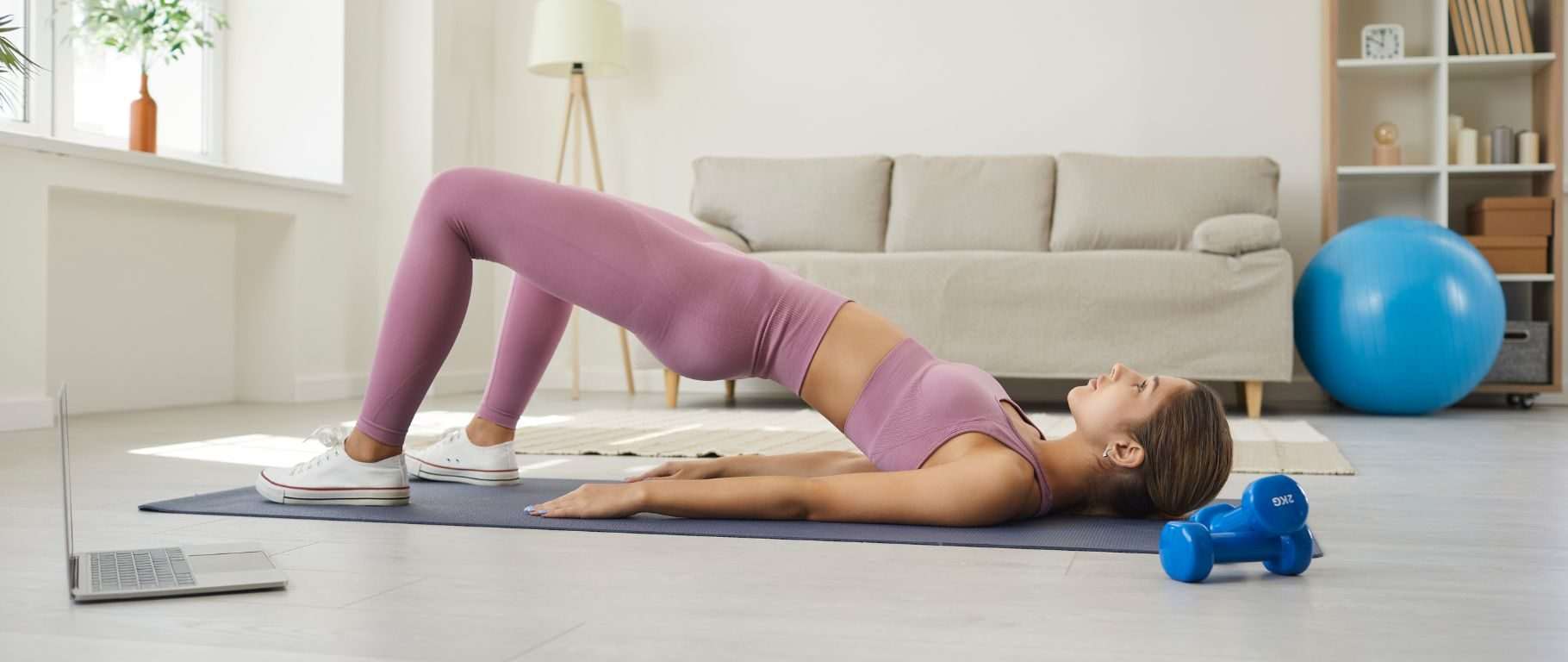
Pelvic floor health and posture may seem unrelated at first glance, but they are deeply connected. For women, poor posture can contribute to pelvic floor dysfunction, while a well-functioning pelvic floor can enhance overall stability and alignment. Understanding this connection is key to preventing discomfort, improving function, and supporting long-term physical health. Pelvic health physiotherapy addresses both elements to create a balanced and resilient body.
What Is the Pelvic Floor and Why It Matters
The pelvic floor is a group of muscles and connective tissues located at the base of the pelvis. These muscles support key organsincluding the bladder, uterus, and boweland help control functions like urination, bowel movements, and sexual activity. In addition to these roles, the pelvic floor also interacts with other core muscles to maintain proper posture and movement mechanics.
When the pelvic floor is weakened, overly tight, or poorly coordinated, it can lead to issues like urinary incontinence, pelvic organ prolapse, and chronic lower back pain. These symptoms often develop gradually and can be exacerbated by postural misalignment.
How Posture Affects Pelvic Floor Function
Posture refers to the alignment of the spine, pelvis, and surrounding muscles during standing, sitting, and movement. Poor posturesuch as slouching, excessive pelvic tilt, or forward head posturecan place strain on the pelvic floor. Here’s how:
Anterior pelvic tilt (where the pelvis tips forward) can overstretch the pelvic floor, weakening its support function.
Posterior pelvic tilt can compress the pelvic floor muscles, limiting their mobility and increasing tension.
Rounded shoulders and slouched back alter breathing mechanics, which disrupts the natural coordination between the diaphragm and pelvic floor.
These imbalances reduce the pelvic floors ability to contract and relax effectively, leading to dysfunction over time.
The Role of Core and Alignment
The pelvic floor does not operate in isolation. Its part of a deep core system that includes the transverse abdominis, diaphragm, and multifidus muscles. When one part of this system is out of syncoften due to poor posturethe entire system suffers.
For example, if the diaphragm isnt functioning optimally due to shallow chest breathing (common in slouched postures), it can no longer coordinate with the pelvic floor during inhalation and exhalation. This coordination is essential for core stability, pressure regulation, and organ support.
Physiotherapy for Posture and Pelvic Floor Health
A pelvic health physiotherapist assesses posture, spinal alignment, and muscle coordination to create a holistic treatment plan. This typically includes:
Postural retraining to improve spinal and pelvic alignment during various activities
Pelvic floor muscle training tailored to the individual’s strength and mobility
Breathing exercises that improve diaphragm engagement and pressure management
Stretching and mobility work to release tension in the hips, back, and pelvis
Core stabilization techniques that integrate pelvic floor control with functional movement
By addressing both posture and pelvic floor mechanics, physiotherapy provides long-term relief and improved function.
Common Symptoms Linked to Poor Posture and Pelvic Dysfunction
Women may not always recognize that seemingly unrelated symptoms stem from pelvic floor and postural issues. These can include:
Lower back pain
Pelvic heaviness or pressure
Hip discomfort
Urinary leakage or urgency
Difficulty with core engagement during exercise
A thorough assessment can reveal how alignment and muscle coordination contribute to these problems, allowing for targeted correction.
Pregnancy, Postpartum, and Posture
During pregnancy, the shifting center of gravity often alters a womans posture. The pelvis may tilt forward, the lumbar curve may deepen, and core stability may be reduced. These changes can place additional strain on the pelvic floor. After childbirth, poor posture while feeding or carrying a baby can prolong dysfunction.
Pelvic health physiotherapy during and after pregnancy helps women correct posture, rebuild strength, and support both spinal and pelvic floor recovery.
Posture in Daily Life and Aging
As women age, muscle tone and posture naturally shift. Sedentary habits, prolonged sitting, and lack of movement can cause structural changes that impact the pelvic floor. Physiotherapists guide women in adopting postures that protect pelvic health:
Ergonomic sitting and standing positions
Mindful transitions during movement
Proper lifting techniques
Exercises that reinforce neutral alignment
These strategies build awareness and reduce the risk of pelvic floor dysfunction with age.
Conclusion
The connection between pelvic floor health and posture is a vital but often overlooked aspect of womens wellness. By improving alignment and engaging the deep core system, women can enhance pelvic function, prevent injury, and maintain physical confidence. Pelvic health physiotherapy offers the tools and support needed to bring posture and pelvic floor harmony together for long-term well-being.