Pelvic health and digestive health are deeply interconnected, though many women may not realize the connection. Symptoms such as bloating, constipation, abdominal discomfort, and incomplete evacuation may often have an underlying pelvic floor component.

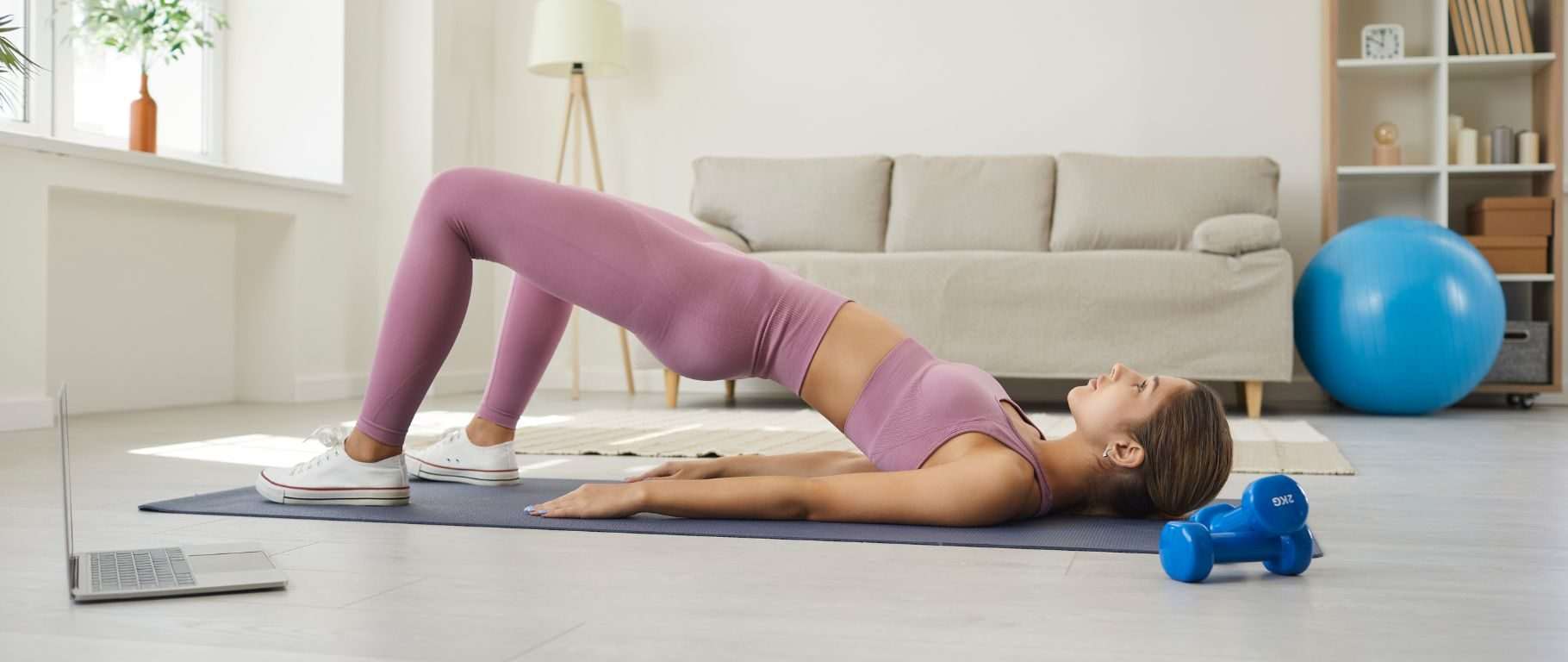
Pelvic health and digestive health are deeply interconnected, though many women may not realize the connection. Symptoms such as bloating, constipation, abdominal discomfort, and incomplete evacuation may often have an underlying pelvic floor component. At YourFormSux (YFS), we help women understand how a healthy, well-functioning pelvic floor plays a vital role in supporting digestive wellnessespecially when it comes to gut motility, bowel coordination, and pressure regulation.
How the Pelvic Floor Affects Digestion
The pelvic floor is a group of muscles, ligaments, and fascia that form the base of the pelvis. These muscles not only support the bladder and reproductive organs but also play a key role in the function of the rectum and lower gastrointestinal tract. When these muscles are too weak, too tight, or poorly coordinated, they can interfere with the natural movement of waste through the digestive system.
Pelvic floor dysfunction can contribute to or worsen digestive issues such as:
Chronic constipation
Bloating or abdominal distension
Straining during bowel movements
Rectal pain or pressure
Incomplete emptying
Fecal incontinence
This means that even if a woman is following a healthy diet or taking gut health supplements, digestive symptoms may persist if pelvic function isnt addressed.
Common Causes of Pelvic Floor Dysfunction Affecting Digestion
Several factors can lead to or aggravate pelvic dysfunction, especially in relation to digestion:
Childbirth injuries affecting the pelvic nerves and muscles
Chronic straining due to constipation or poor toilet habits
Pelvic surgeries that alter nerve signaling or tissue alignment
Sedentary lifestyle reducing blood flow and core strength
Menopause-related tissue changes leading to muscle weakness
Poor posture that compresses abdominal and pelvic organs
When the pelvic floor loses its ability to coordinate with abdominal muscles, it may delay or disrupt the natural flow of bowel movements.
The Role of Physiotherapy in Supporting Digestive Function
Pelvic floor physiotherapy provides non-invasive, personalized strategies to restore muscle balance, improve bowel mechanics, and reduce tension in the abdominal-pelvic region. At YFS, our approach goes beyond symptom reliefwe aim to correct the underlying functional deficits that impact digestion.
A pelvic health physiotherapist can help by:
Teaching correct toileting posture and techniques
Releasing overactive pelvic muscles through manual therapy
Strengthening weak or underused muscles that support rectal control
Enhancing core and diaphragm coordination for better abdominal pressure regulation
Reducing strain on the rectum through breathwork and relaxation
This type of therapy is especially helpful for women with irritable bowel syndrome (IBS), slow-transit constipation, or pelvic organ prolapse, as these conditions often overlap with pelvic floor dysfunction.
Improving Bowel Habits Through Awareness and Training
Many women adopt poor habits without realizing their long-term impact on digestion. Holding in bowel movements, sitting in a slouched position, or straining to force evacuation all place undue stress on the pelvic floor. Over time, this weakens muscle control and coordination.
Pelvic physiotherapy emphasizes:
Optimal defecation posture (using foot support to elevate knees)
Relaxed, unforced breathing during bowel movements
Abdominal massage techniques to encourage motility
Timed voiding routines to create regular habits
By improving awareness of these patterns, women often find their digestive symptoms decrease and consistency improves.
Addressing Emotional and Stress-Related Triggers
Emotional stress and anxiety can significantly affect both digestion and pelvic function. The gut and pelvic floor are connected through the autonomic nervous system, meaning that chronic stress can cause both abdominal discomfort and pelvic tension. Women may unknowingly clench their pelvic muscles throughout the day, leading to chronic tightness and sluggish bowel movements.
Physiotherapy helps by teaching:
Diaphragmatic breathing to stimulate the parasympathetic (rest and digest) response
Mind-body techniques to release unconscious muscle holding
Postural alignment to improve organ space and function
By calming the nervous system and restoring muscle relaxation, digestion can improve naturally over time.
Long-Term Benefits of Pelvic Health for Digestive Wellness
A healthy pelvic floor supports more than just continence and postureit ensures the smooth passage of stool, prevents rectal pressure buildup, and facilitates coordinated bowel movements. Addressing pelvic dysfunction early can prevent chronic constipation, hemorrhoids, and even rectal prolapse later in life.
Women who integrate pelvic floor physiotherapy into their routine often report:
Fewer episodes of bloating or constipation
Less discomfort during and after bowel movements
Improved abdominal control and pressure regulation
A sense of ease and comfort in daily digestive function
These improvements often translate into more energy, better sleep, and a higher quality of life.
Conclusion
Pelvic health and digestion are intimately connected, and pelvic floor physiotherapy offers an effective, lasting way to support both. At YourFormSux, we work with women to uncover the pelvic root of digestive issues and create tailored plans for relief and long-term gut health. If you’re dealing with constipation, bloating, or bowel irregularities, it may be time to consider your pelvic floor as part of the solution.