Core stability is the foundation of a strong, healthy body. It involves the muscles of the trunk, including the **abdominals, lower back, hips, and pelvis**, working together to support and stabilize the spine and pelvis.

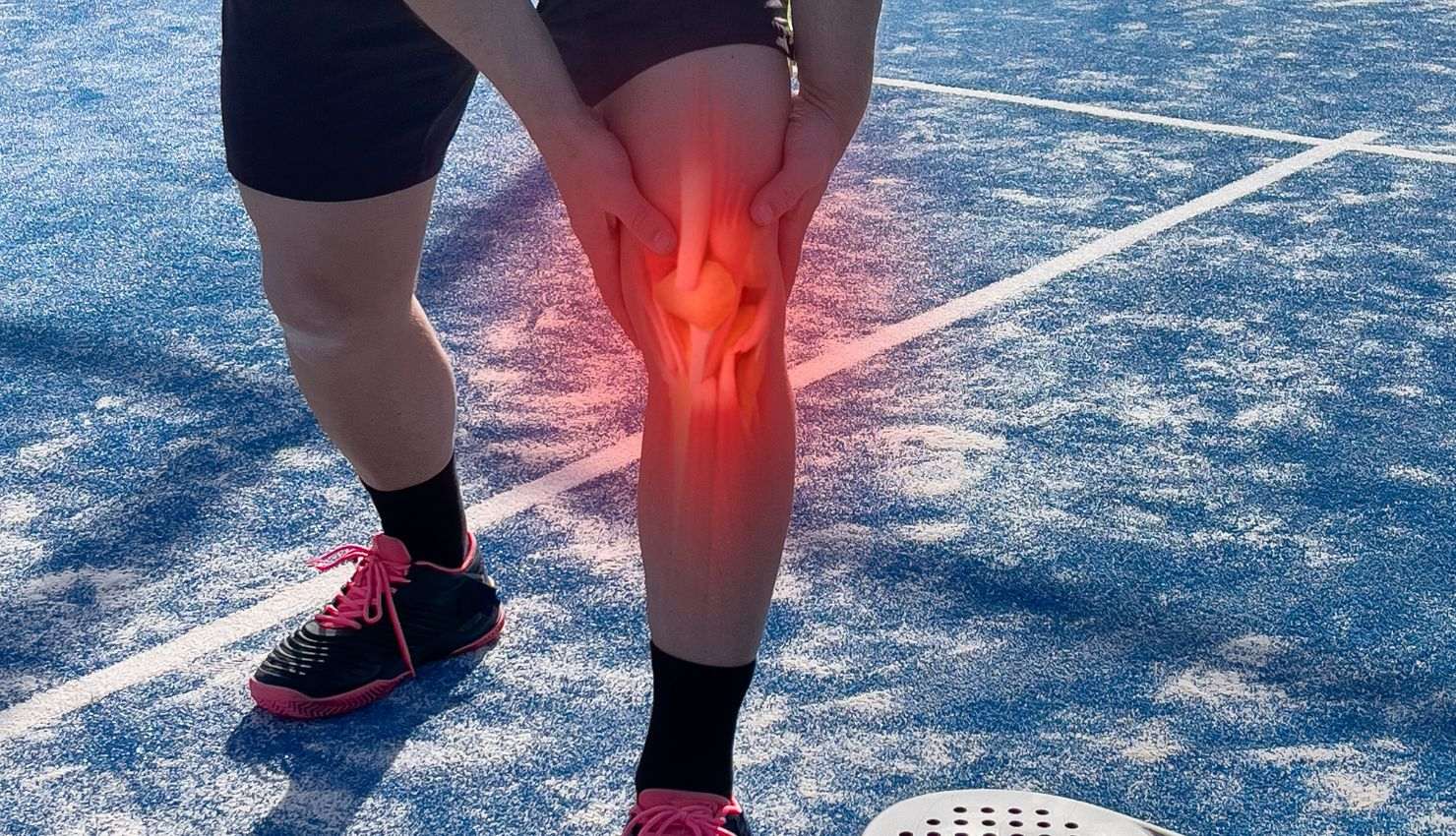
Core stability is the foundation of a strong, healthy body. It involves the muscles of the trunk, including the **abdominals, lower back, hips, and pelvis**, working together to support and stabilize the spine and pelvis. When these muscles are strong and well-coordinated, they provide stability to the entire body, making movement more efficient and reducing the risk of injury.
Core stability is especially important in **pain management**, particularly for conditions related to the lower back, hips, and even postural issues. Here’s how core stability can be a powerful tool in managing pain:
### 1. **Reducing Lower Back Pain**
One of the most common types of pain that core stability addresses is **lower back pain**. Weakness in the core muscles can put excessive strain on the spine, leading to discomfort and injury. Heres how core stability helps:
* **Support for the Spine**: A strong core supports the spine by preventing excessive movement, maintaining proper posture, and reducing the load on the lumbar spine.
* **Increased Control**: Core exercises improve muscle control, allowing the body to maintain neutral spine alignment and avoid movements that strain the lower back.
* **Improved Posture**: Strengthening core muscles helps with postural alignment, preventing slumping and the resultant stress on the spine, which can contribute to pain.
Physiotherapists often prescribe core strengthening exercises to help individuals recover from or prevent lower back pain. By stabilizing the spine and pelvis, these exercises reduce the risk of injury and alleviate chronic pain.
### 2. **Improving Pelvic Stability**
Many people experience **pelvic pain** due to weak pelvic muscles. This can be particularly common during pregnancy, after childbirth, or in individuals with conditions like **sacroiliac joint dysfunction**. A strong core provides stability to the pelvis and surrounding muscles, which can significantly reduce pain in these areas:
* **Pelvic Floor Support**: Core stability exercises, including pelvic floor strengthening, help improve support for the organs in the pelvic region, reducing issues like incontinence and pelvic pain.
* **Reduced Stress on Joints**: A strong core helps to balance the forces acting on the pelvic joints, reducing pain from conditions like **pelvic girdle pain** or **sacroiliac joint dysfunction**.
### 3. **Preventing and Managing Neck and Shoulder Pain**
The core doesnt just stabilize the lower back; it plays an essential role in supporting the **neck and shoulders** as well. If the core muscles are weak, other muscleslike those in the neck and upper backtake on more strain, which can lead to pain and discomfort. Here’s how core stability helps with neck and shoulder pain:
* **Improved Posture**: Core stability encourages proper alignment, which reduces the tendency to slouch or overextend the neck and shoulders. This helps alleviate muscle tension and prevents pain caused by poor posture.
* **Balance of Upper and Lower Body**: A strong core helps distribute weight evenly throughout the body, reducing the strain on the upper body, including the neck and shoulders.
* **Prevention of Tension**: When the core is weak, the upper body often compensates by becoming tense. Strengthening the core can reduce that tension, alleviating pain in the neck and shoulders.
### 4. **Enhancing Functionality and Reducing Fatigue**
Core stability plays a significant role in **functional movements**, whether it’s bending, lifting, or even standing. A strong, stable core enables better posture and alignment, which allows the body to move more efficiently and reduces the effort needed for daily tasks. When the body works more efficiently:
* **Reduced Muscle Fatigue**: Core stability helps distribute the workload across different muscle groups, minimizing the strain on any one area of the body. This reduces muscle fatigue and the likelihood of injury.
* **Improved Mobility**: With a strong core, the body is better able to move fluidly and comfortably, reducing the risk of strain and injury in the lower back, hips, or other areas.
### 5. **Managing and Preventing Sports Injuries**
Athletes or active individuals often rely on core strength to perform at their best and avoid injuries. A strong core is key to:
* **Maintaining Balance and Coordination**: Whether you’re running, jumping, or lifting, a stable core helps with balance, coordination, and overall performance, which prevents injuries that can result from instability.
* **Force Transfer**: The core is the central link for transferring force between the upper and lower body. A weak core can lead to inefficient force transfer, causing unnecessary strain on joints and muscles and increasing the risk of injury.
* **Injury Prevention**: Core strength helps protect against common sports injuries, like sprains, strains, and tears, especially in the lower back, hips, knees, and shoulders. A strong core can absorb the impact from movements, reducing the stress on joints and ligaments.
### 6. **Improving Breathing and Circulation**
The diaphragm, which plays a key role in **breathing**, is part of the core muscle group. Strengthening the core improves diaphragmatic breathing, which can:
* **Reduce Stress**: Deep, controlled breathing from the diaphragm can help reduce muscle tension, lower heart rate, and manage stress and anxiety, which are often linked to chronic pain.
* **Enhance Circulation**: Efficient breathing and core stability improve blood flow, promoting healing and reducing muscle tightness and discomfort.
* **Increased Oxygen Delivery**: Strengthening the core improves posture and alignment, which can enhance lung function and oxygen delivery, ultimately helping with pain management and overall well-being.
### 7. **Chronic Pain Management**
Core stability is beneficial for individuals dealing with **chronic pain conditions** like fibromyalgia, osteoarthritis, and musculoskeletal pain. Here’s how it helps:
* **Decreased Sensitivity to Pain**: Core stability exercises can activate muscles that support joints and ligaments, helping to reduce the intensity of chronic pain.
* **Muscle Activation**: By improving core strength, the body becomes better equipped to manage repetitive motions, leading to less pain and discomfort over time.
* **Mental Health Benefits**: Exercise, including core stabilization, has been shown to improve mood and reduce the psychological impact of chronic pain, including anxiety and depression.
### 8. **Rehabilitation After Injury**
When recovering from an injury, especially one involving the spine, pelvis, or lower back, core stability exercises play a crucial role in rehabilitation:
* **Restoring Function**: Core exercises help restore strength and stability to the affected area, making it easier to return to daily activities and sports.
* **Reducing Risk of Re-injury**: A strong core provides long-term protection against future injuries by ensuring proper posture and alignment during movement.
### Core Stability Exercises for Pain Management
Common core stability exercises include:
* **Planks**: These help strengthen the entire core and improve overall stability.
* **Bridges**: This exercise strengthens the glutes, lower back, and core muscles.
* **Pelvic Tilts**: Helps strengthen the abdominals and lower back muscles.
* **Bird-Dog**: Enhances balance, coordination, and stability.
* **Side Planks**: Focuses on the obliques, stabilizing the sides of the core.
### Conclusion
Core stability is a vital component in managing pain, especially in conditions involving the lower back, pelvis, neck, and shoulders. By improving posture, muscle strength, flexibility, and movement patterns, core stability reduces strain on the spine, prevents injuries, and enhances overall mobility. Incorporating core stability exercises into pain management strategies helps individuals lead more active, pain-free lives while reducing the risk of chronic discomfort and injury.