The Power of Joint Optimization in Reducing Muscle Tension and Pain explores targeted strategies for recovery. Discover new paths to mobility, healing, and personalized care.

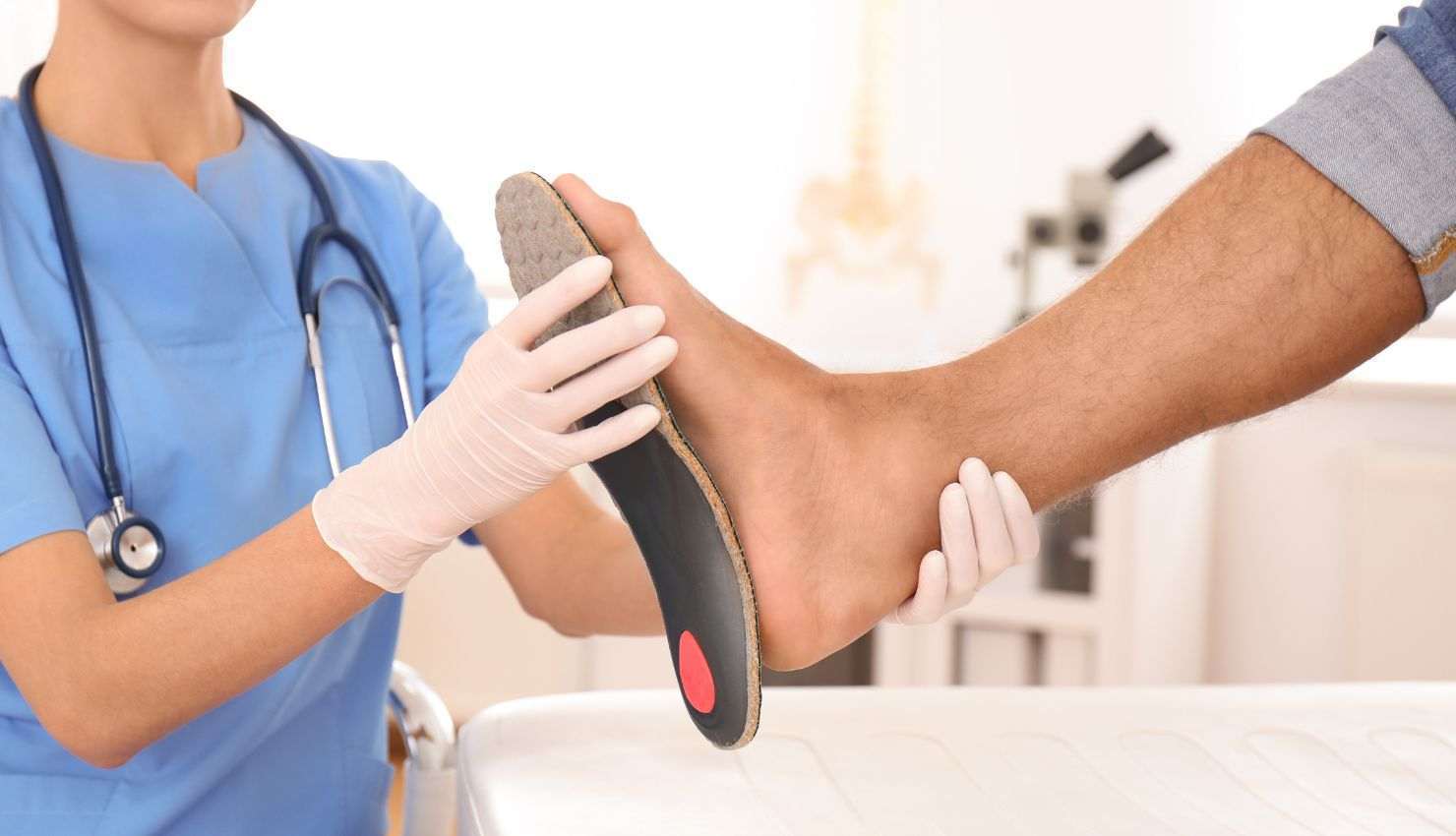
Muscle tension and joint pain are some of the most common complaints among people of all ages and activity levels. Whether you’re a desk worker battling back stiffness, an athlete managing recurring shoulder pain, or a senior experiencing hip discomfort, the underlying issue often involves more than just tight musclesits frequently rooted in joint dysfunction.
Joint optimization offers a proactive, targeted solution. Rather than masking symptoms with temporary fixes, it focuses on restoring ideal joint movement and alignment, which naturally relieves muscle tension and reduces pain. This approach combines mobility training, stability work, and physiotherapy interventions to correct the way your body moves and functions.
In this blog, well explore how joint optimization reduces muscle tension and pain, and how you can integrate this powerful method into your wellness routine.
What Is Joint Optimization?
Joint optimization refers to improving the way your joints move and function. This involves:
Enhancing range of motion
Correcting joint alignment
Improving neuromuscular control
Strengthening supportive muscles
Promoting efficient load distribution
When a joint moves as it should, surrounding muscles dont have to work overtime to compensate. This results in smoother motion, better posture, and significantly less tension in both the joint and nearby tissues.
The Connection Between Joint Dysfunction and Muscle Tension
Muscles and joints work together to produce and control movement. When a joint becomes restricted or misaligned:
Muscles nearby may tighten to stabilize it.
Other muscles may overcompensate, becoming overworked.
Movement patterns may become inefficient, leading to fatigue and strain.
For example, a stiff hip can cause the lower back to compensate, which tightens spinal muscles and leads to chronic back pain. Or, limited shoulder mobility can strain the neck and upper back muscles.
In many cases, muscle tension is not caused by a strength issue or injurybut by poor joint mobility.
How Joint Optimization Relieves Muscle Tension
1. Restores Proper Joint Mechanics
When a joint moves smoothly and correctly, the surrounding muscles dont have to work as hard to support or stabilize it. Joint optimization restores mechanics through targeted mobility drills and manual techniques, reducing unnecessary muscle guarding and contraction.
2. Improves Muscle Activation and Balance
Restricted joints often create imbalances. Some muscles may be overused, while others are underactive. By optimizing joint function:
Underactive muscles are re-engaged.
Overactive muscles are allowed to relax.
Muscle function is redistributed more evenly.
This balance eases localized tension and restores proper movement across the body.
3. Reduces Compensatory Movement Patterns
If one area is limited, the body compensates with poor mechanicsoften leading to overuse of certain muscles. Optimizing joints removes the need for compensation by restoring normal movement patterns. As compensation decreases, so does chronic tension and fatigue.
4. Enhances Blood Flow and Tissue Health
Joint mobility work encourages movement through a joints full range, which:
Stimulates circulation
Improves nutrient delivery
Supports lymphatic drainage
Better blood flow helps muscles recover from tension, inflammation, and overuse, accelerating healing and comfort.
Common Pain and Tension Issues Tied to Joint Dysfunction
Lower Back Pain Often linked to hip or thoracic spine stiffness.
Neck and Shoulder Pain Usually tied to poor thoracic or scapular mobility.
Knee Pain Frequently caused by poor hip or ankle mobility.
Wrist or Elbow Pain Can result from restricted shoulder motion or poor upper body alignment.
Foot and Ankle Tension May stem from tight calves or reduced big toe mobility.
By improving the joint mechanics in these areas, physiotherapists often see a dramatic reduction in associated muscle tension and pain.
How Physiotherapy Uses Joint Optimization
A physiotherapist will assess your joint range of motion, strength, posture, and movement patterns. They then apply targeted methods such as:
Joint mobilizations to improve joint capsule mobility
Soft tissue release to address muscle guarding
Corrective exercises to balance muscle activation
Postural and gait training to align body mechanics
Neuromuscular re-education to reinforce healthy movement
This holistic approach creates a domino effect: improve joint function ? reduce strain ? decrease tension and pain.
Joint Optimization vs. Stretching
While stretching can offer temporary relief, it doesnt always address the root cause. Stretching a tight muscle thats compensating for a stiff joint may provide a short-term releasebut the tension will return if the joint issue isnt corrected.
Joint optimization goes deeper:
It works on the root, not just the symptom.
It balances the entire movement system.
It restores function rather than forcing flexibility.
Think of it as upgrading the software instead of just patching the glitch.
Simple Ways to Begin Joint Optimization
You dont need to overhaul your routine overnight. Start with these daily practices:
1. Add Mobility Drills to Your Warm-Up
Prioritize joint-specific moves such as:
Deep squat holds (hips, ankles, spine)
Shoulder CARs (Controlled Articular Rotations)
Thoracic spine foam rolling and rotations
2. Practice Functional Movement Patterns
Incorporate bodyweight exercises that take joints through full range:
Lunges
Hip bridges
Arm circles and shoulder dislocates
3. Reinforce With Strength
Mobility without strength wont hold. Add resistance exercises that build control in new ranges, such as:
Bulgarian split squats (hips)
Face pulls (shoulders)
Calf raises and dorsiflexion work (ankles)
4. Stay Hydrated and Move Often
Joint fluid needs hydration and activity. Movement keeps tissues elastic and reduces stiffness throughout the day.
Who Can Benefit from Joint Optimization?
Everyone.
Athletes can reduce recovery time and improve performance.
Desk workers can relieve back, neck, and wrist strain.
Seniors can improve balance, mobility, and pain management.
Manual laborers can protect joints from overuse.
Those in recovery can heal faster and prevent reinjury.
If you move your body, you need joint optimization.
Final Thoughts: Free the Joint, Relax the Muscle
Muscle tension and chronic pain are often symptomsnot root causes. If you’ve been stretching endlessly with no lasting relief, its time to look deeper. Joint dysfunction often lies beneath the surface, silently creating tension, imbalance, and discomfort.
By optimizing your joints, you create an environment where muscles can finally relax, move freely, and work the way they were designed to. You regain control over your body and reduce the strain that leads to fatigue and pain.
A pain-free life isnt about doing less. Its about moving betterstarting with your joints.