Chronic stresswhether from work, relationships, trauma, or lifestyleis more than just a…

Chronic stresswhether from work, relationships, trauma, or lifestyleis more than just a mental or emotional strain. It also affects the body in profound ways, leading to muscle tension, poor posture, fatigue, sleep disturbances, and weakened immunity. Movement therapy offers a holistic and effective approach to relieve stress by addressing its physical and neurological effects.
Unlike intense exercise, movement therapy emphasizes gentle, mindful motion to calm the nervous system, improve body awareness, and release built-up tension.
How Chronic Stress Affects the Body
When the body is under constant stress, it enters a state of heightened arousala chronic “fight or flight” mode. Over time, this leads to:
Shallow, rapid breathing
Muscle tightness (especially in the neck, shoulders, and jaw)
Headaches and digestive issues
Fatigue or burnout
Poor sleep quality
Reduced resilience to new stressors
These physical symptoms often perpetuate the stress cycle, making recovery more difficult.
Why Movement Therapy Works for Stress Relief
Movement therapy interrupts this cycle by:
Activating the parasympathetic nervous system (rest-and-digest)
Enhancing mind-body awareness
Encouraging physical release of held tension
Promoting presence and mindfulness
Reconnecting individuals to a sense of control and calm
Core Movement Therapy Techniques for Chronic Stress
1. Breath-Centered Movement
Combining breath with movement helps regulate the nervous system and improves oxygen flow.
Examples:
Diaphragmatic breathing with gentle arm sweeps
Cat-cow spinal rolls with exhalation focus
Seated twists with deep breathing
Benefits: Slows the heart rate, calms the mind, and relaxes tense muscles.
2. Gentle Somatic Movement
Focuses on internal sensations and small, slow movements to promote awareness and release.
Examples:
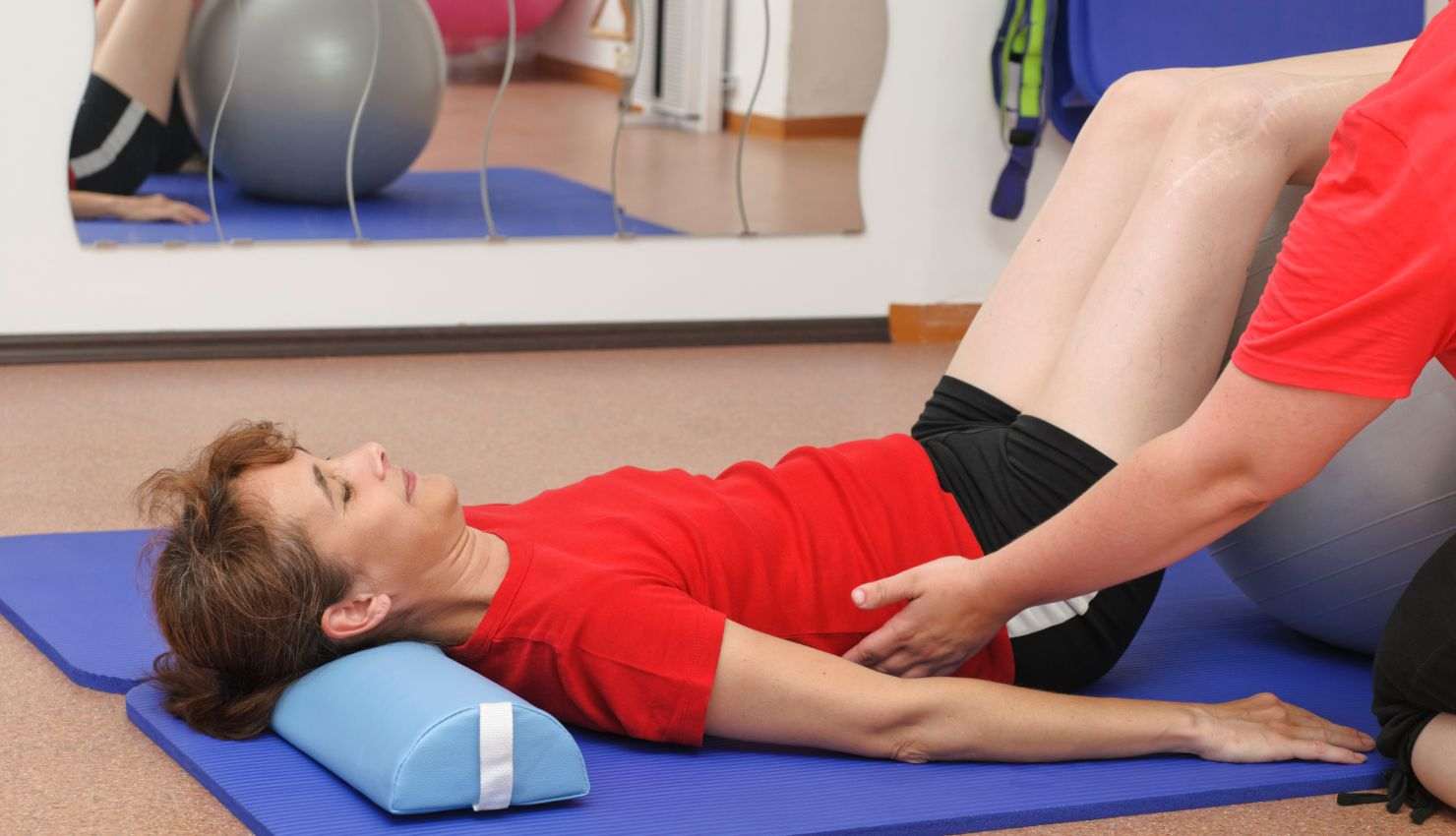
Pelvic tilts while lying on your back
Shoulder blade glides
Neck and jaw relaxation drills
Benefits: Releases unconscious muscular holding patterns often linked to stress.
3. Grounding and Centering Practices
These techniques help shift attention from racing thoughts to physical sensations.
Examples:
Rocking side-to-side while standing or seated
Barefoot walking or balance drills
Sensory scans of feet, spine, or hands
Benefits: Restores a sense of safety, stability, and present-moment awareness.
4. Rhythmic and Flow-Based Movements
Repetitive, flowing movements provide comfort and rhythm that soothe the nervous system.
Examples:
Swaying side to side in standing poses
Tension-release shakes (gently shaking arms/legs)
Tai Chi or Qi Gong-inspired sequences
Benefits: Regulates emotional states, reduces anxiety, and increases resilience.
5. Expressive or Creative Movement
Movement becomes a form of non-verbal emotional release and expression.
Examples:
Free movement to calming music
Mirror-based exercises (copying your own movements)
Simple movement improvisation with a theme (e.g., “letting go”)
Benefits: Releases suppressed emotion and fosters self-connection.
Sample Daily Movement Therapy Routine (1015 Minutes)
Breathing + Gentle Stretch (3 mins)
Seated breathing, neck rolls, shoulder shrugs
Somatic Release (3 mins)
Pelvic tilts, spinal twist on the floor
Rhythmic Flow (4 mins)
Standing sway, arm circles, hip shifting
Grounding (2 mins)
Feet awareness, light squatting, gentle foot tapping
Stillness + Breath (3 mins)
Lie on your back or sit and return to breath awareness
Who Can Benefit from Movement Therapy for Stress?
Professionals experiencing work burnout
Parents or caregivers under chronic pressure
Students with academic anxiety
Trauma survivors with physical tension
Anyone seeking non-medical, body-based stress relief
Conclusion
Chronic stress may be invisible, but its effects on the body are real and cumulative. Movement therapy offers a gentle, empowering, and sustainable method to calm the body, clear the mind, and restore a sense of balance. Whether practiced daily or in response to specific triggers, these movements can become a core part of any long-term stress management plan.