Weve all been there: the dreaded stiffness after a long day on your feet, an intense workout, or just from sitting too long. Muscle pain can sneak up on anyone.

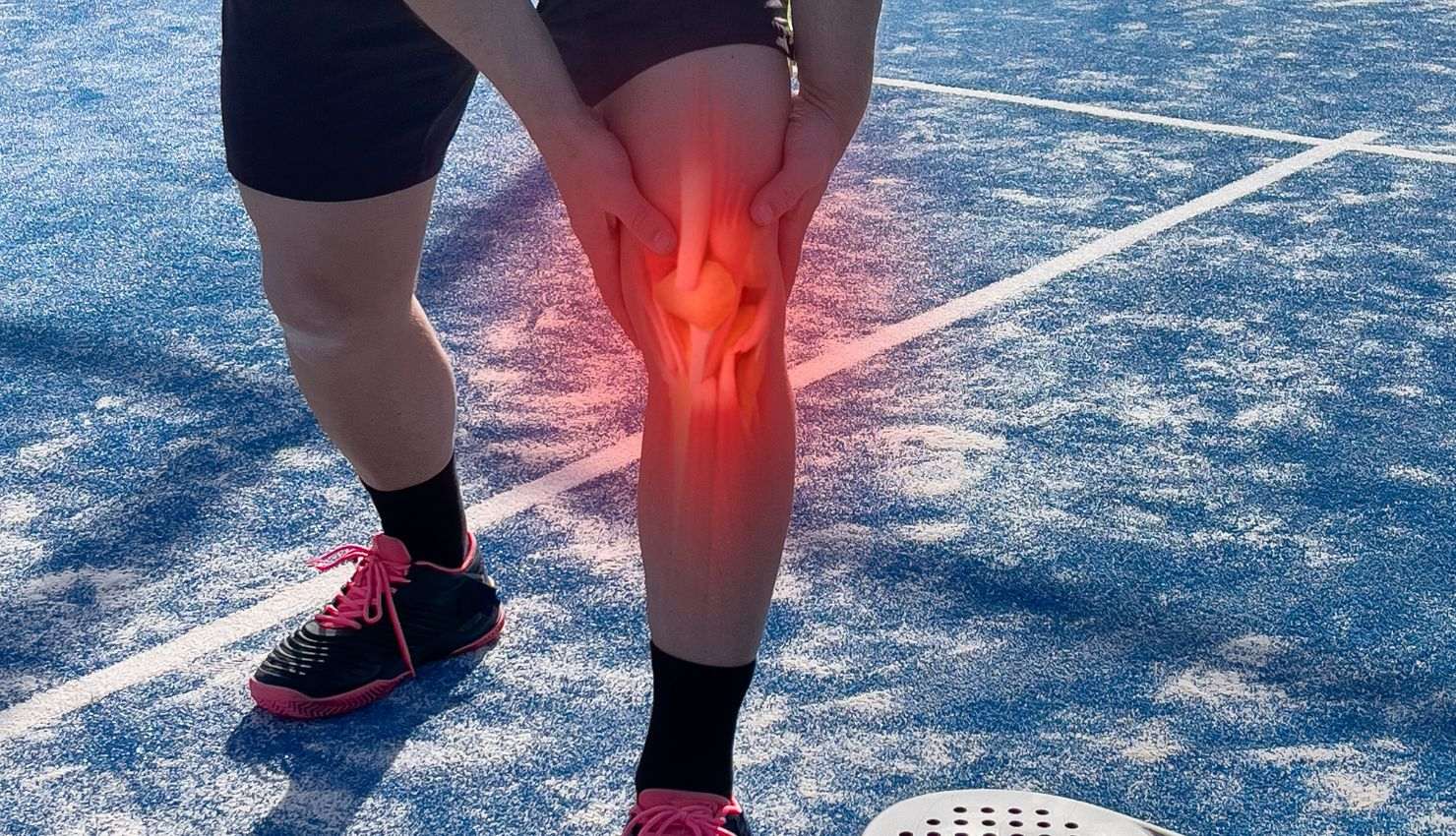
Weve all been there: the dreaded stiffness after a long day on your feet, an intense workout, or just from sitting too long. Muscle pain can sneak up on anyone. But heres a simple, accessible, and powerful remedy that often gets overlookedstretching. Yep, something as basic as a good stretch can work wonders when it comes to easing muscle tension and discomfort.
Why Do Muscles Hurt in the First Place?
Before we get into the magic of stretching, lets quickly understand muscle pain. It can happen due to:
Overuse (hello, leg day!)
Poor posture or ergonomics
Stress and tension
Lack of movement
Minor injuries or strains
Whatever the reason, your muscles tighten upand thats where stretching steps in as your superhero.
How Stretching Helps with Muscle Pain
?? Releases Muscle Tension
When your muscles are tight, they pull on surrounding tissues and joints, which can create pain or discomfort. Stretching helps release that built-up tension, giving your body a much-needed reset.
?? Improves Blood Flow
Stretching encourages increased circulation, meaning more oxygen and nutrients are delivered to sore muscles. This boost helps speed up recovery and reduce inflammation.
?? Enhances Flexibility & Mobility
Gentle, consistent stretching keeps your muscles long and limber, which helps prevent future tightness and pain. Its especially useful if youre dealing with lower back or neck pain caused by stiffness.
?? Promotes Relaxation
Muscle pain isnt just physicalits mental too. Stretching calms the nervous system, helping to lower cortisol (the stress hormone), which can reduce pain perception and help you feel more relaxed overall.
Best Types of Stretching for Muscle Relief
Not all stretches are created equal. Here are some types that are especially good for pain relief:
Static Stretching: Holding a stretch for 1560 seconds. Great post-workout or before bed.
Dynamic Stretching: Gentle, controlled movements to warm up the muscles.
PNF Stretching (Proprioceptive Neuromuscular Facilitation): A more advanced method combining stretching and contracting the muscle for deeper relief.
Yoga or Pilates-Based Stretching: Combines breath and movementperfect for both mind and body.
A Few Go-To Stretches for Common Pain Areas
Neck pain? Try chin tucks or ear-to-shoulder stretches.
Lower back pain? Childs pose and knee-to-chest stretches work wonders.
Hamstring tension? Seated forward folds or standing hamstring stretches are key.
Tight hips? Butterfly stretch or pigeon pose can be game-changers.
A Gentle Reminder: Listen to Your Body
Stretching shouldnt hurt. If a stretch causes sharp pain, stop immediately. Ease into it, breathe deeply, and let your body guide you. And if muscle pain persists, always consult a healthcare professionalits better to be safe than sorry.
The Takeaway
Stretching is like giving your muscles a warm hug. Its free, its simple, and it works. Whether youre recovering from a tough workout or just trying to shake off a long day at your desk, stretching is one of the most effective (and underrated) ways to relieve muscle pain. So take a few minutes, roll out that mat, and show your body some loveitll thank you for it!