The Power of Structural Integration for Restoring Health and Wellness explores targeted strategies for recovery. Discover new paths to mobility, healing, and personalized care.

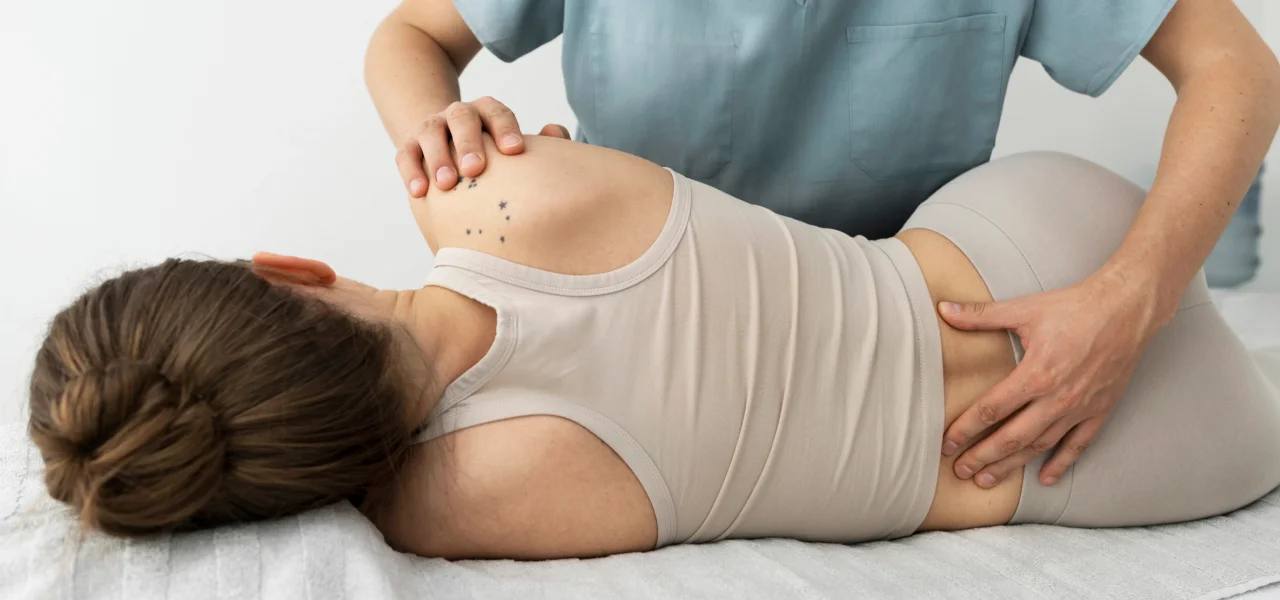
Structural Integration (SI), often referred to as Rolfing, is a form of bodywork that focuses on manipulating the fasciathe connective tissue that surrounds and supports muscles, bones, and organsto restore balance and alignment within the body. It is a holistic therapeutic approach that aims to improve posture, flexibility, and movement, all of which contribute significantly to overall health and wellness. By addressing the body as a whole and working to restore proper alignment and release fascial restrictions, Structural Integration helps individuals achieve better physical function, reduce pain, and support long-term well-being.
Heres how Structural Integration can restore health and wellness:
1. Realigning the Body for Improved Function
One of the main goals of Structural Integration is to realign the bodys structure. When the body is misaligned, certain areas of the body, such as the spine, pelvis, or joints, can become overloaded, leading to pain, discomfort, and inefficiency in movement. Over time, poor alignment can lead to chronic conditions, limited mobility, and pain.
Through deep tissue manipulation and myofascial release techniques, SI works to restore balance to the bodys structure. This realignment ensures that the bodys bones, muscles, and fascia are working in harmony, reducing strain on the muscles and joints. By improving alignment, SI enhances overall movement efficiency, making daily activities easier and pain-free while preventing the development of long-term musculoskeletal issues.
2. Releasing Fascial Restrictions and Reducing Pain
Fascia is a tough, connective tissue that surrounds and connects muscles, bones, and organs. Over time, the fascia can become restricted or tight due to poor posture, injury, or repetitive movements. These restrictions can lead to muscle tension, pain, stiffness, and reduced mobility.
Structural Integration helps release fascial restrictions through techniques such as myofascial release and deep tissue manipulation. These methods target tight, constricted areas of fascia, allowing the muscles and joints to move more freely. By reducing fascial tension, SI alleviates pain, improves range of motion, and restores the natural elasticity and flexibility of the body. This release not only helps with chronic pain but also enhances movement, making the body feel lighter and more fluid.
3. Improving Posture and Alignment
Poor posture is a significant contributor to musculoskeletal pain and dysfunction. Misalignments in the spine, shoulders, hips, or pelvis can lead to muscle imbalances, strain, and discomfort. These misalignments often result from habits such as slouching, sitting for prolonged periods, or improper movement patterns.
Structural Integration addresses postural issues by working with the fascia, muscles, and joints to restore natural alignment. Through precise bodywork and manual techniques, SI helps release tension in the muscles and fascia that may be pulling the body out of balance. The focus on postural re-education ensures that individuals learn how to hold and move their bodies in a way that supports optimal alignment. This improves posture, reduces strain on the body, and prevents future pain or dysfunction.
4. Enhancing Movement and Flexibility
Many individuals experience limited movement or flexibility due to tension, injury, or misalignment. Limited flexibility can cause discomfort, hinder athletic performance, and limit the ability to perform everyday tasks. Whether its stiff hips, tight shoulders, or a restricted back, the inability to move freely affects physical function and well-being.
Structural Integration helps enhance flexibility and movement by addressing restrictions in the fascia and muscles. By working to release fascial tightness and improve joint mobility, SI restores the bodys natural range of motion. This increase in flexibility helps individuals move more freely, improving physical performance, reducing the risk of injury, and making everyday activities like bending, reaching, or lifting easier and pain-free.
5. Promoting Better Circulation and Tissue Health
Good circulation is essential for tissue health and overall wellness. When the bodys muscles and fascia are restricted, blood flow can become limited, depriving tissues of the oxygen and nutrients they need to repair and regenerate. This can lead to chronic pain, stiffness, and slow recovery from injury.
Structural Integration improves circulation by releasing fascial restrictions and promoting better movement patterns. As the fascia and muscles become more flexible, blood flow to the tissues increases, allowing for better oxygenation and nutrient delivery. This improved circulation promotes tissue healing, reduces inflammation, and helps the body recover more efficiently from physical stress or injury.
6. Enhancing Body Awareness and Self-Care
Structural Integration doesnt just address the physical aspects of movement; it also emphasizes body awareness. Many people develop poor movement patterns over time, such as slouching while sitting, shifting weight to one side, or compensating for weakness in one area of the body. These habits can lead to pain, dysfunction, and even injury.
Through SI, individuals become more attuned to their bodys alignment, posture, and movement patterns. The treatment process often includes postural education and movement retraining that helps individuals develop better awareness of how they move and hold their bodies. By making small adjustments to posture and movement, SI helps prevent the development of chronic issues, leading to better self-care and long-term wellness.
7. Reducing Stress and Supporting Emotional Well-Being
Chronic pain and tension often affect not only physical health but also emotional well-being. The bodys response to stresssuch as muscle tightening and increased tensioncan exacerbate pain and create a cycle of discomfort. Structural Integration works to release physical tension, which in turn can help reduce mental and emotional stress.
The deep, therapeutic touch used in SI promotes relaxation and stimulates the parasympathetic nervous system, which helps the body shift from a fight-or-flight stress response to a more relaxed and restorative state. By reducing tension and promoting relaxation, SI helps improve emotional health, contributing to overall well-being.
8. Preventing Future Injury and Pain
Structural Integration is not only effective in treating existing issues but also plays a key role in injury prevention. By restoring proper alignment, improving posture, and releasing fascial restrictions, SI helps the body function optimally and move more efficiently. This reduces the risk of overuse injuries, muscle strain, or joint dysfunction.
Regular SI treatments help individuals maintain proper body mechanics and posture, making it less likely that they will experience pain or injury in the future. By addressing the root causes of musculoskeletal discomfort, SI ensures long-term health and wellness by promoting the bodys natural ability to move and function efficiently.
9. Supporting Holistic Health
Structural Integration is a holistic approach to wellness that not only addresses the bodys physical structure but also promotes overall health. By improving alignment, flexibility, and movement, SI supports the bodys ability to perform at its best and maintain long-term health. It also encourages better breathing, reduced stress, and improved emotional health, creating a balance between the body and mind.
The holistic approach of SI ensures that the body is functioning as an interconnected system, where all parts are aligned, balanced, and able to support each other. This leads to improved overall health, vitality, and well-being.
Conclusion: The Power of Structural Integration for Health and Wellness
Structural Integration is a powerful tool for restoring health and wellness by improving the bodys alignment, flexibility, movement, and function. Through targeted bodywork, SI helps release fascial restrictions, correct postural imbalances, and enhance overall movement, leading to reduced pain and discomfort. Additionally, it promotes circulation, reduces stress, and improves body awareness, supporting the bodys natural healing abilities and long-term well-being.