Absolutely! Movement-based therapy isnt just great for the body it also offers signific…

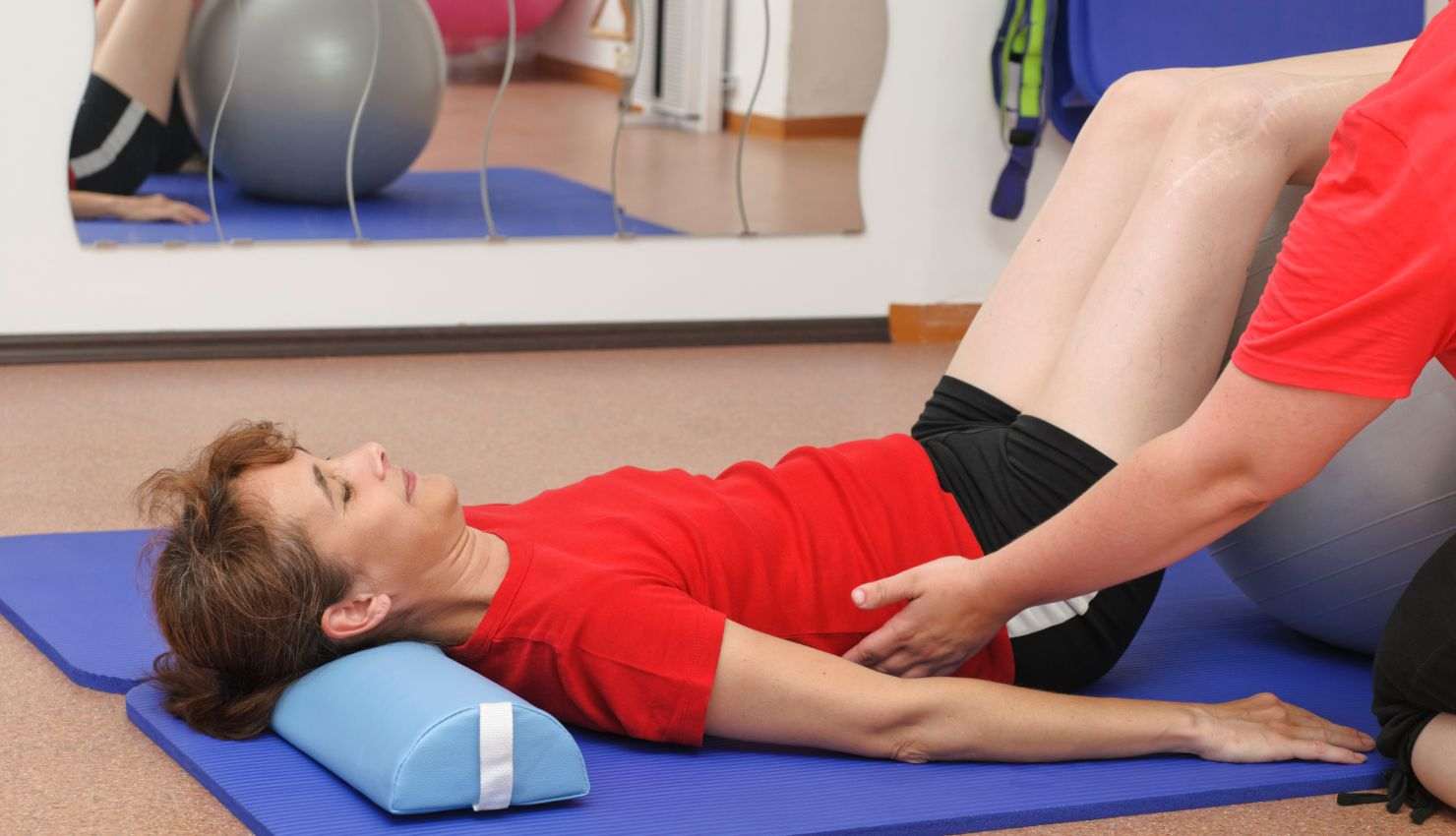
Absolutely! Movement-based therapy isnt just great for the body it also offers significant psychological benefits that improve mental health and overall well-being. Heres how:
Psychological Benefits of Movement-Based Therapy
1. Reduces Stress and Anxiety
Physical movement stimulates the release of endorphins and serotonin, which are natural mood elevators.
Movement therapy can lower cortisol (stress hormone) levels, helping to calm the nervous system.
Activities like yoga, tai chi, and gentle aerobic exercise are especially effective.
2. Improves Mood and Reduces Symptoms of Depression
Regular movement promotes neuroplasticity, enhancing brain function and resilience.
Exercise has been shown to be as effective as some antidepressants in mild to moderate depression.
Group movement therapies also provide social interaction, which boosts mood.
3. Enhances Cognitive Function
Movement increases blood flow and oxygen to the brain, improving memory, focus, and executive function.
Coordinated movements and balance training challenge the brain, fostering neural connections.
4. Boosts Self-Esteem and Body Image
Gaining physical strength and mobility can improve confidence.
Mastering new movements and achieving rehab goals enhances self-efficacy.
5. Promotes Mindfulness and Body Awareness
Movement therapy encourages tuning into the bodys sensations, fostering mindfulness.
Mind-body exercises help manage pain and emotional distress by grounding attention in the present moment.
6. Supports Sleep Quality
Physical activity regulates circadian rhythms, promoting deeper, more restorative sleep.
Better sleep supports mood regulation and cognitive health.