The Role of Acupuncture in Managing Menopause Symptoms explores targeted strategies for recovery. Discover new paths to mobility, healing, and personalized care.

Menopause is a natural and inevitable stage in a womans life, but the transition is rarely smooth. Hot flashes, night sweats, mood swings, sleep disturbances, fatigue, weight gain, and joint pain are just a few of the common symptoms that accompany this hormonal shift. While hormone replacement therapy (HRT) can help some women, others seek natural, non-pharmaceutical ways to manage their symptoms. Thats where acupuncturea time-tested component of Traditional Chinese Medicine (TCM)can offer real relief.
Acupuncture addresses the root causes of menopause symptoms by restoring balance in the bodys internal systems. Rather than suppressing symptoms, it supports the body’s natural adaptation process, helping ease the transition into the next phase of life with greater comfort and stability.
Understanding Menopause Through the Lens of TCM
In Western medicine, menopause is defined as the time when a woman permanently stops menstruating and estrogen and progesterone levels drop significantly. In Traditional Chinese Medicine, menopause is viewed as a natural depletion of Kidney Jing (essence) and a shift in the balance of Yin and Yang energies.
Kidney Yin Deficiency: Often leads to symptoms like hot flashes, night sweats, vaginal dryness, and insomnia. Yin cools and moistens the body, so its decline results in heat and dryness.
Liver Qi Stagnation: Emotional stress, mood swings, and irritability can be traced back to blocked energy in the Liver Meridian, which is responsible for emotional flow and hormonal regulation.
Heart and Shen Disturbances: The Heart houses the Shen (spirit/mind), and disruptions can lead to anxiety, palpitations, or difficulty sleeping.
Spleen Qi Deficiency: Fatigue, digestive issues, and weight gain can be associated with weakened digestive energy and fluid metabolism.
Acupuncture works by identifying which meridians are imbalanced and stimulating specific points to restore harmony and support the body through hormonal changes.
Common Menopause Symptoms Acupuncture Can Help
Acupuncture has been shown to alleviate a wide range of menopause-related symptoms. These include:
Hot flashes and night sweats
Sleep disturbances and insomnia
Mood swings, anxiety, and depression
Vaginal dryness
Fatigue and low energy
Irritability and brain fog
Joint stiffness or pain
Weight gain and fluid retention
Heart palpitations
Low libido
Because acupuncture treats the root cause of imbalance, it helps regulate these symptoms without side effects or dependency on medication.
How Acupuncture Alleviates Menopause Symptoms
Acupuncture offers relief by regulating the bodys systems on multiple levels:
1. Balances Hormones Naturally
Acupuncture stimulates the hypothalamic-pituitary-ovarian axis (HPO axis), the bodys internal hormone feedback loop. It helps regulate the release of estrogen and other key hormones during the menopause transition, easing hormonal fluctuations and stabilizing mood.
2. Cools Internal Heat
Menopausal heat symptoms, like hot flashes and night sweats, stem from Yin deficiency, especially in the Kidney system. Acupuncture nourishes Yin and clears excess internal heat, helping reduce the intensity and frequency of heat-related symptoms.
3. Regulates the Nervous System
Menopause is often accompanied by anxiety, restlessness, and insomnia. Acupuncture activates the parasympathetic nervous system, promoting relaxation and calming overactive stress responses. It also stimulates the release of serotonin, GABA, and endorphins, which elevate mood and enhance sleep quality.
4. Improves Circulation and Lubrication
Dryness, particularly vaginal dryness and skin changes, are common during menopause. By improving blood and fluid flow to tissues, acupuncture helps restore moisture, elasticity, and vitality.
5. Supports Energy and Digestion
Fatigue and weight gain are often linked to declining Spleen Qi and Kidney Yang. Acupuncture strengthens these energy systems, supporting metabolism, digestive function, and nutrient absorption.
Key Acupuncture Points for Menopause Relief
A qualified acupuncturist will customize point selection based on your pattern of imbalance, but commonly used points include:
Kidney 3 (Taixi): Strengthens Kidney Yin and regulates hormones
Spleen 6 (Sanyinjiao): Nourishes Yin and Blood, regulates the menstrual transition
Heart 7 (Shenmen): Calms the mind and improves sleep
Liver 3 (Taichong): Smooths emotional flow and relieves irritability
Ren 4 and Ren 6: Tonify reproductive energy and balance Qi
Du 20 (Baihui): Lifts mood and clears heat from the upper body
These points work together to reduce symptoms and guide the body back into a more balanced, peaceful state.
What to Expect From Treatment
During your first acupuncture session, your practitioner will assess your health history, symptoms, menstrual and emotional patterns, and lifestyle. They may also perform tongue and pulse diagnosis, classic tools in TCM for detecting subtle imbalances.
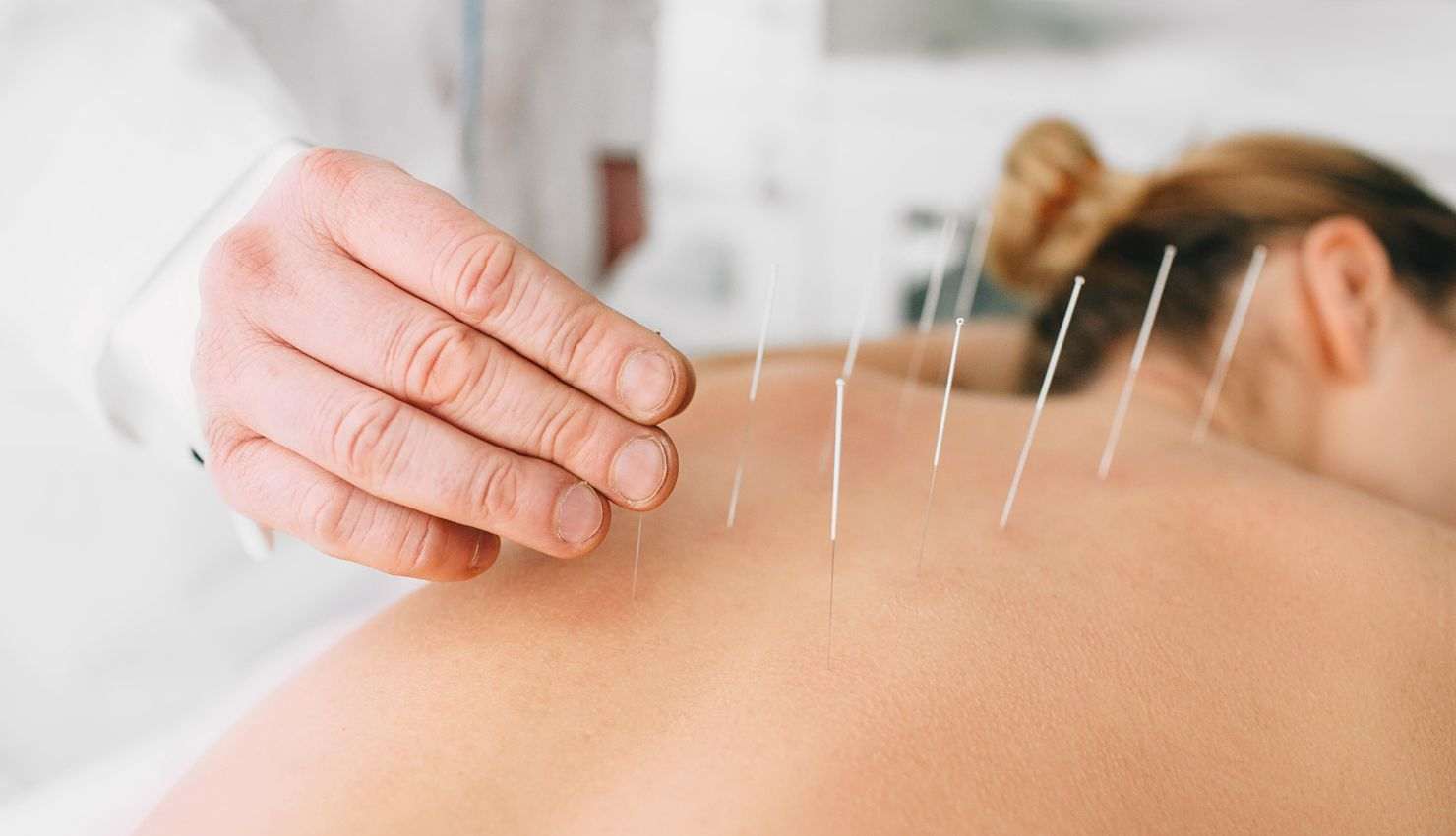
Treatment is gentle and relaxing. Very fine, sterile needles are inserted at targeted points and left in place for 2040 minutes while you rest. Most patients describe the experience as calming, with many feeling a deep sense of well-being during or after the session.
How Often Should You Get Acupuncture for Menopause?
Frequency depends on the severity of symptoms and your bodys response to treatment:
Acute symptoms (e.g., severe hot flashes, insomnia): 12 sessions per week for 46 weeks
Moderate symptoms: Weekly sessions for 610 weeks, followed by bi-weekly or monthly maintenance
Preventive or supportive care: Monthly sessions during perimenopause or post-menopause
Results are often cumulative, with gradual improvement over several sessions.
Lifestyle Tips to Support Acupunctures Effects
To extend the benefits of acupuncture and support your body during menopause, consider these additional strategies:
Eat cooling, nourishing foods: Think leafy greens, berries, tofu, cucumber, and herbal teas (like chrysanthemum or mint)
Avoid spicy, greasy, or overly stimulating foods, which increase internal heat
Practice relaxation techniques, such as breathwork, meditation, or journaling
Stay active with low-impact movement like walking, yoga, or tai chi
Maintain good sleep hygiene: go to bed early, keep lights low at night, and avoid screens before bedtime
Stay hydrated and include healthy fats to support skin and tissue moisture
These habits support hormone balance and help reduce symptom flare-ups between acupuncture treatments.
Final Thoughts: A Gentle, Holistic Path Through Change
Menopause may be inevitable, but the discomfort doesnt have to be. With acupuncture, you have a natural, time-tested approach to navigating this life stage with grace, comfort, and confidence. By addressing the root imbalances that cause menopausal symptoms, acupuncture empowers you to experience this transition as a time of renewal and inner strength.
If you’re looking for a safe, side-effect-free alternative to medication or just want to complement your current care plan, acupuncture offers holistic reliefand a path toward long-term well-being.