Muscle tension its one of the biggest barriers to successful physiotherapy. Whether youre recovering from an injury, managing chronic pain, or simply trying to improve mobility, tight muscles can slow progress, increase discomfort, and limit your range of motion.

Muscle tension its one of the biggest barriers to successful physiotherapy. Whether youre recovering from an injury, managing chronic pain, or simply trying to improve mobility, tight muscles can slow progress, increase discomfort, and limit your range of motion.
Thats where acupuncture steps in as a powerful, natural tool. This ancient practice doesnt just relieve pain it helps muscles relax on a deep, therapeutic level, making your physiotherapy sessions more comfortable and more effective.
Lets dive into how acupuncture works to reduce muscle tension and why its such a valuable addition to your recovery plan.
?? First, What Causes Muscle Tension?
Muscle tension often shows up when:
Youve experienced injury or trauma
Youre compensating for weakness in other areas
Stress triggers a fight-or-flight response
Youre healing from surgery or repetitive strain
Your posture or movement patterns are out of balance
Tight muscles can guard or protect injured areas but if they stay that way too long, they can impair movement, increase pain, and create a cycle of tension and dysfunction.
?? How Acupuncture Releases Muscle Tension
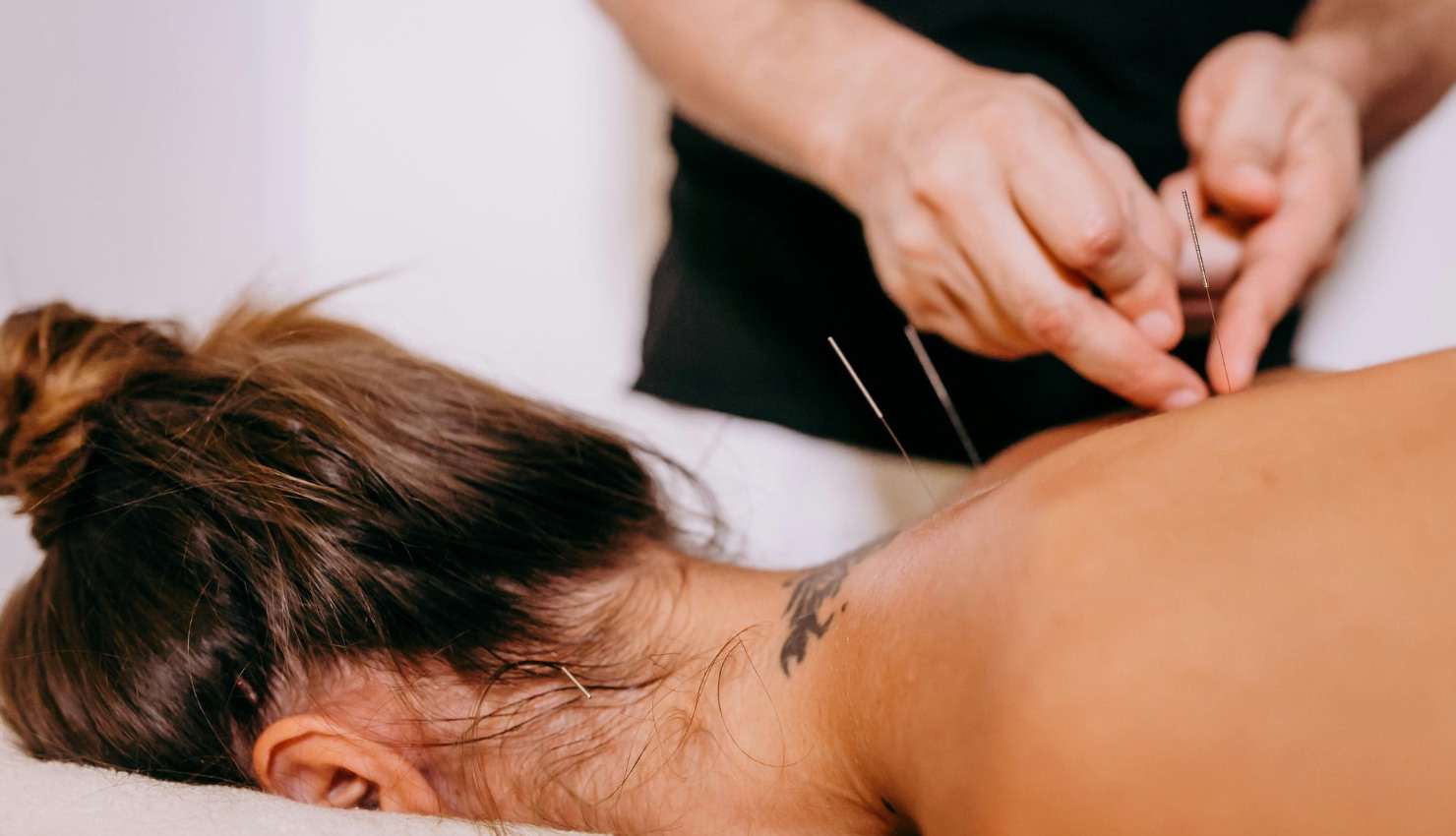
Acupuncture involves inserting ultra-thin needles into specific points on the body also known as acupoints or trigger points to stimulate natural healing mechanisms.
Heres how that helps with muscle tension:
? 1. Releases Trigger Points
Muscle knots or trigger points are hyper-irritable spots that cause tightness and referred pain. Acupuncture directly targets these spots, helping the muscle “let go” and return to a relaxed state often within minutes.
? 2. Boosts Blood Flow
Acupuncture increases circulation in tight, stagnant muscle tissues. That means more oxygen and nutrients reach the area, and metabolic waste (like lactic acid) gets flushed out reducing soreness and speeding up recovery.
? 3. Calms the Nervous System
Stress and chronic pain often go hand-in-hand with sympathetic nervous system overdrive your bodys fight-or-flight mode. Acupuncture activates the parasympathetic system, helping you relax deeply, reduce cortisol levels, and quiet muscle guarding.
? 4. Relieves Pain and Inflammation
By triggering the release of natural pain-relieving chemicals (like endorphins and serotonin), acupuncture helps dull pain and ease the tension that often builds around injured or overworked muscles.
?? Why Acupuncture and Physiotherapy Work So Well Together
Physiotherapy addresses biomechanics how your muscles, joints, and tissues move. It uses stretches, strengthening, manual therapy, and targeted exercises.
Acupuncture supports physiological balance, helping the body reset and recover more efficiently.
Heres what happens when you combine the two:
Muscles are less resistant during stretching or manual therapy
You experience less pain and more mobility during movement retraining
Tissues are more responsive to strengthening and rehabilitation
Your nervous system is calmer and more cooperative
In short? You get more out of every physiotherapy session.
?? Who Benefits Most?
Acupuncture is especially helpful for people with:
Chronic neck, back, or shoulder tightness
Postural imbalances and compensatory tension
Sports injuries or muscle strains
Repetitive stress injuries (like carpal tunnel or tendinitis)
Whiplash or nerve impingements
Tension headaches or TMJ (jaw tension)
Basically, if tight muscles are slowing you down, acupuncture can help unlock your mobility.
?? Final Thoughts: Relax, Recover, Repeat
Physiotherapy helps you move better. Acupuncture helps you feel better while you do it.
By reducing muscle tension, easing pain, and calming the nervous system, acupuncture creates the ideal internal environment for your body to respond to physiotherapy helping you heal faster, more comfortably, and more completely.
If youre tired of battling stiffness or slow progress, consider adding acupuncture to your recovery team. Your muscles will thank you and so will your physiotherapist.