The Role of Core Rehabilitation in Treating Spinal Fractures explores targeted strategies for recovery. Discover new paths to mobility, healing, and personalized care.

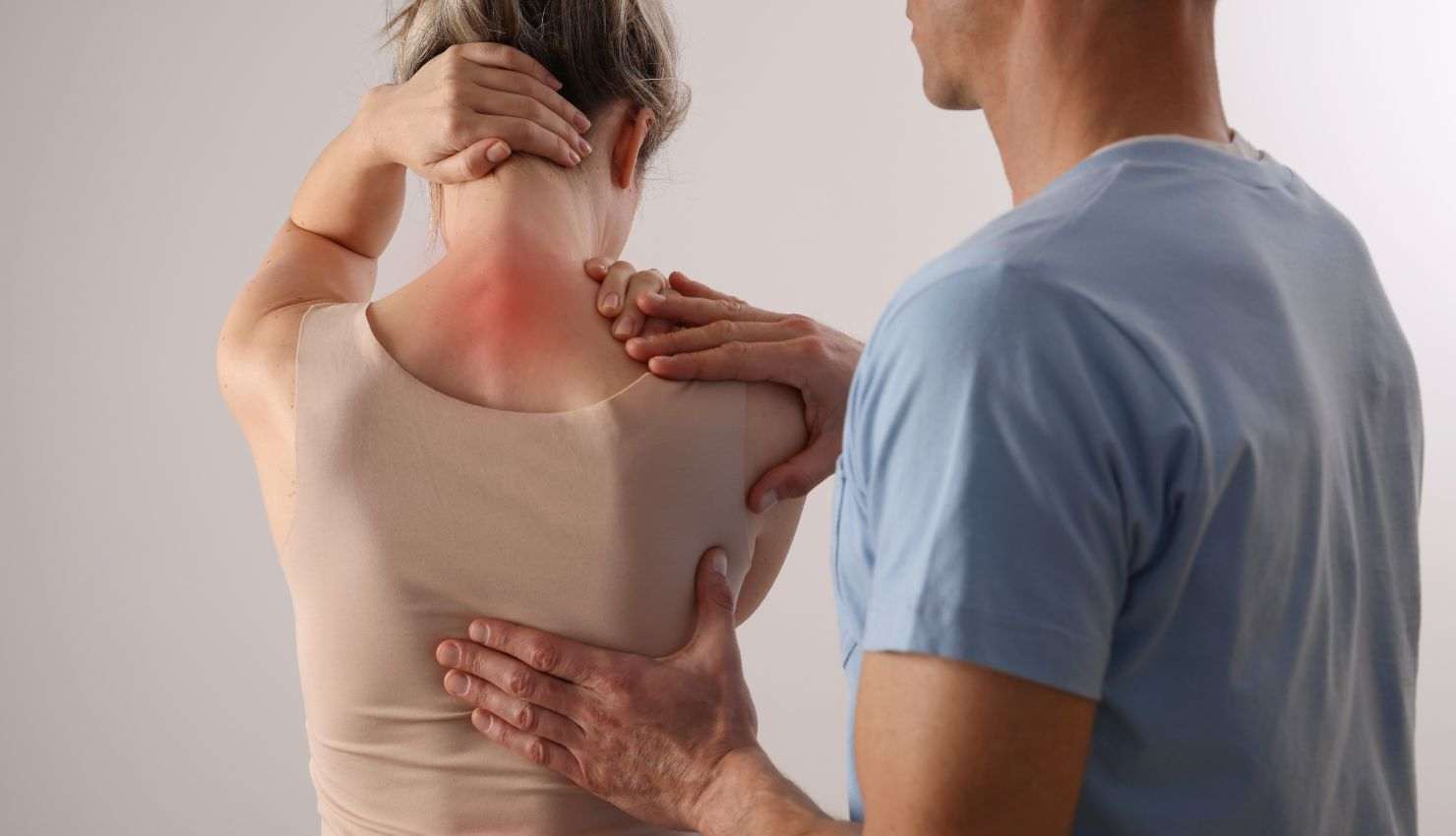
When it comes to spinal fractures, the road to recovery can be challenging. The spine is central to our bodys structure and movement, so any injury to it can impact daily life significantly. One of the most crucial aspects of treating spinal fractures is core rehabilitation. This approach focuses on strengthening the muscles around the spine, providing stability, support, and enhancing healing. But what exactly does core rehabilitation involve, and why is it so vital in spinal fracture treatment?
Understanding Spinal Fractures and Their Impact
Spinal fractures occur when one or more vertebrae in the spine break or collapse. These fractures can result from trauma such as falls, accidents, or osteoporosis-related weakening of bones. The consequences range from pain and limited mobility to nerve damage and even paralysis in severe cases.
The spine itself is supported by a complex network of muscles, ligaments, and connective tissues, among which the core muscles play a pivotal role. These include the abdominal muscles, back muscles, diaphragm, and pelvic floor. When a spinal fracture happens, these muscles often weaken due to pain, immobility, or compensatory movement patterns.
Why Core Rehabilitation is Essential
Core rehabilitation aims to restore strength, coordination, and endurance of the core muscles after a spinal injury. Its not just about building muscle bulk; its about reestablishing the spines natural support system to reduce stress on the injured vertebrae and promote proper alignment during healing.
Strengthening the core helps:
Stabilize the spine: A strong core reduces the load on the fractured vertebra, allowing it to heal without excessive movement or strain.
Improve posture: Spinal fractures can lead to poor posture, which further aggravates pain and slows recovery. Core rehab encourages proper spinal alignment.
Reduce pain: By supporting the spine better, core muscles help alleviate pain caused by instability or abnormal pressure on nerves.
Enhance mobility: Rebuilding core strength gradually improves balance and flexibility, facilitating safe movement and daily activities.
Prevent future injuries: A well-conditioned core reduces the risk of additional fractures or other spinal issues.
The Physiotherapy Approach to Core Rehabilitation
Physiotherapists play a critical role in guiding spinal fracture patients through core rehabilitation. The process is carefully tailored to each individuals condition, severity of injury, and overall health.
Initially, the focus is on gentle activation of core muscles without stressing the spine. Techniques might include:
Isometric exercises: Activating muscles without movement to build foundational strength.
Breathing exercises: Engaging the diaphragm and deep abdominal muscles to support spinal stability.
Postural training: Learning proper alignment and ergonomics to protect the spine.
As healing progresses, exercises become more dynamic and challenging. This may involve:
Pelvic tilts and bridges: To strengthen lower back and glute muscles.
Modified planks: Building endurance in the abdominal and back muscles.
Balance and coordination drills: Enhancing overall core function and neuromuscular control.
Throughout rehabilitation, physiotherapists monitor progress closely, adjusting exercises to avoid strain and ensure optimal recovery.
Incorporating Lifestyle and Ergonomic Changes
Core rehabilitation isnt limited to the therapy sessions. Patients are encouraged to adopt lifestyle changes that support spinal health, including:
Maintaining a healthy weight to reduce spine load.
Using ergonomic chairs and supportive mattresses.
Practicing safe lifting techniques.
Avoiding prolonged sitting or standing without breaks.
Educating patients about these habits is an integral part of the rehabilitation process, ensuring long-term spine protection.
The Road to Recovery: Patience and Persistence
Recovering from a spinal fracture can take weeks to months depending on the injury’s extent. Core rehabilitation accelerates this journey by enhancing spine stability and function. However, success depends on consistent effort, professional guidance, and patience.
Patients who engage fully in their rehabilitation program often experience reduced pain, improved posture, and a better quality of life. Additionally, building a strong core lays the foundation for lifelong spinal health.