The Role of Core Strength in Preventing Spinal Disorders explores targeted strategies for recovery. Discover new paths to mobility, healing, and personalized care.

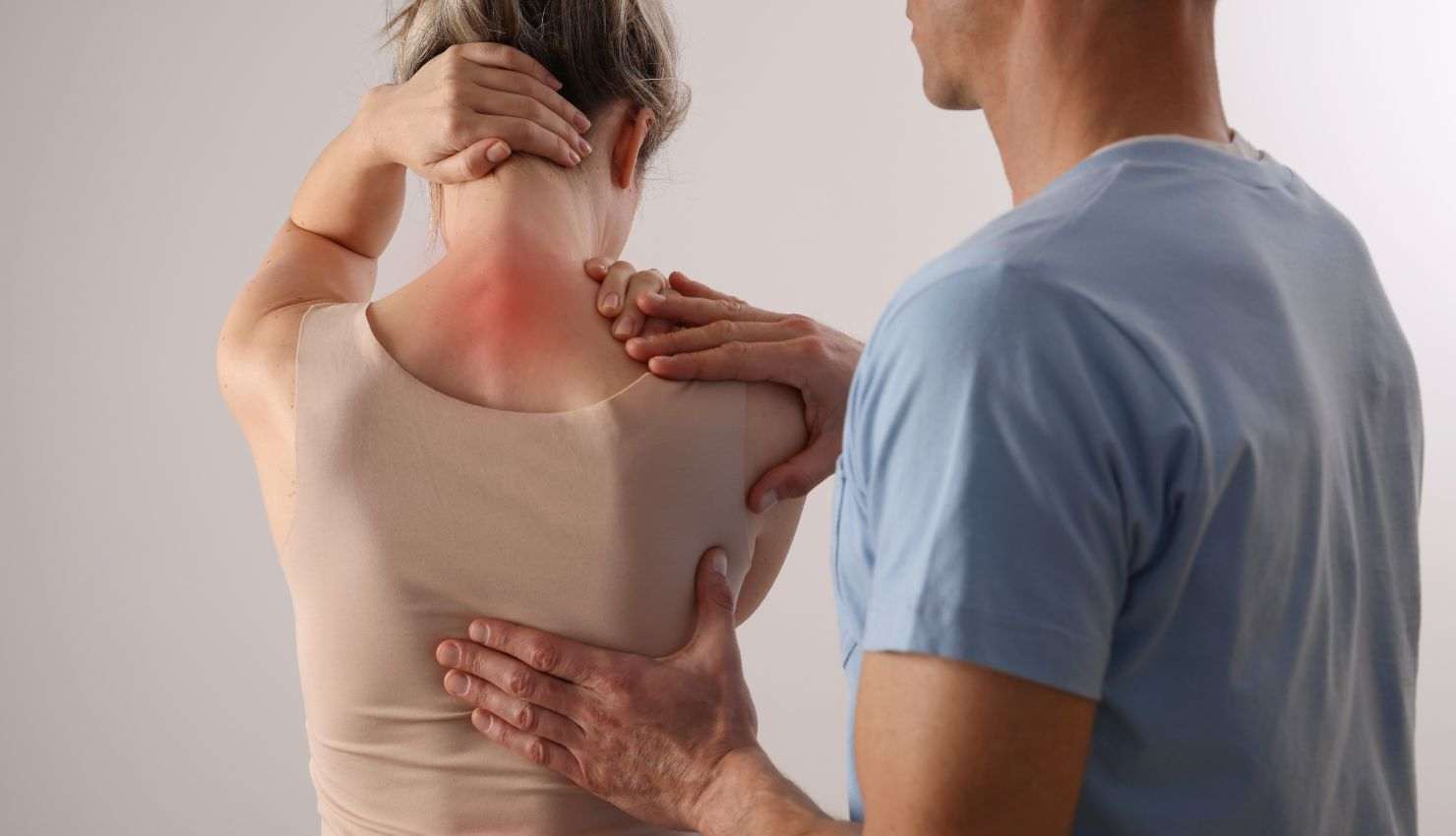
When we think of core strength, six-pack abs often come to mind. But true core strength is far deeper than just aesthetics. It’s about stability, control, and protectionespecially for the spine. At YourFormsUX Canada, weve seen firsthand how building core strength plays a critical role in preventing spinal disorders and long-term back problems. From lower back pain and disc degeneration to spinal stenosis and herniated discs, many of these conditions can be delayedor even preventedwith the right core conditioning.
Understanding the Core-Spine Connection
Your core includes more than just your abdominal muscles. Its a network of deep muscles that wrap around your torso, including:
Transverse abdominis (TVA) acts like a corset around your midsection
Multifidus tiny muscles running along your spine that provide segmental control
Pelvic floor muscles support your lower organs and contribute to posture
Diaphragm key for intra-abdominal pressure and breathing stability
Obliques, rectus abdominis, erector spinae, and glutes help with rotation, flexion, extension, and stabilization
When these muscles work together properly, they provide a strong base for every movement, from walking and lifting to twisting or sitting. When theyre weak or uncoordinated, your spine becomes vulnerable to overuse, strain, and injury.
What Happens When the Core is Weak
A weak or inactive core can result in:
Poor posture slouching puts strain on spinal discs and ligaments
Uneven loading of the spine leading to disc compression or herniation
Instability during movement increasing the risk of sprains or spinal misalignments
Increased compensation by other muscles often leading to pain in the hips, lower back, or shoulders
Over time, this lack of spinal support can contribute to chronic conditions like spinal stenosis, spondylolisthesis, degenerative disc disease, and sciatica.
How Core Strength Prevents Spinal Disorders
Building core strength acts as a protective mechanism for your spine in multiple ways:
Improved Postural Support
When your core muscles are strong, they help maintain a neutral spine, reducing excessive pressure on joints and discs. This decreases your risk of structural spinal issues like scoliosis or kyphosis.
Shock Absorption
A strong core acts as a buffer during high-impact movements like running, jumping, or even a sudden sneeze. This helps prevent compression injuries and microtrauma.
Efficient Movement Patterns
Core engagement helps you move efficiently. Whether lifting a box or rotating your torso, you distribute load evenly rather than over-relying on your spine.
Balance and Coordination
Core muscles work in harmony with the nervous system to keep you steady, reducing your risk of falls that could injure the spine or pelvis.
Reduced Inflammation and Stress
With better spinal alignment and muscle coordination, the body experiences less joint inflammation, nerve compression, and muscular tension.
Signs You May Have a Weak Core
If youre unsure whether your core might be underperforming, here are a few red flags:
You slouch often while sitting or standing
Your lower back hurts after prolonged standing
You have difficulty balancing on one leg
You feel pain during basic exercises like planks or leg lifts
You notice instability or shakiness during workouts
These are your bodys cues that its time to strengthen your foundation.
Best Core Exercises for Spinal Health
At YFS Canada, our physiotherapists and rehab specialists integrate functional core strengthening into nearly every spinal rehab plan. Some highly recommended exercises include:
Modified planks Focus on bracing your abdominal wall without arching your back.
Bird-dog Teaches stability and control while maintaining neutral spine.
Glute bridges Activates glutes and posterior chain, key for lumbar support.
Dead bug Reinforces deep core activation without spinal movement.
Side planks Target lateral stabilizers often neglected in traditional core training.
Standing cable rotations Mimic real-world twisting movements while engaging your obliques and TVA.
Each of these exercises is carefully progressed based on your individual needs. For those recovering from an injury or starting from a deconditioned state, we always begin with modified, safe variations.
Spinal Conditions That Core Strength Helps Prevent
Lets take a closer look at spinal disorders that can be delayed or prevented with a strong, stable core:
Lumbar disc herniation Often caused by repeated stress or poor lifting technique
Spinal stenosis Core support can reduce pressure on the spinal canal
Scoliosis While structural in some cases, core training improves function and posture
Degenerative disc disease A strong core slows wear and tear on vertebral discs
Facet joint syndrome Controlled motion decreases joint compression
By incorporating proactive core strengthening into your lifestyle, you build a natural line of defense against these degenerative and mechanical spinal issues.
Your Core Health Starts Here
At YourFormsUX Canada, we believe that core training isnt just for athletes or gym-goersits for anyone who wants to live pain-free, move confidently, and age with resilience. Whether you’re managing mild back discomfort or simply want to future-proof your spine, well guide you with personalized assessments, corrective movement strategies, and physiotherapy-supported plans that focus on building a rock-solid core.
Our goal is to help you take ownership of your spinal healthnot just today, but for years to come.