The Role of Functional Health Checkups in Managing Post-Surgery Rehab explores targeted strategies for recovery. Discover new paths to mobility, healing, and personalized care.

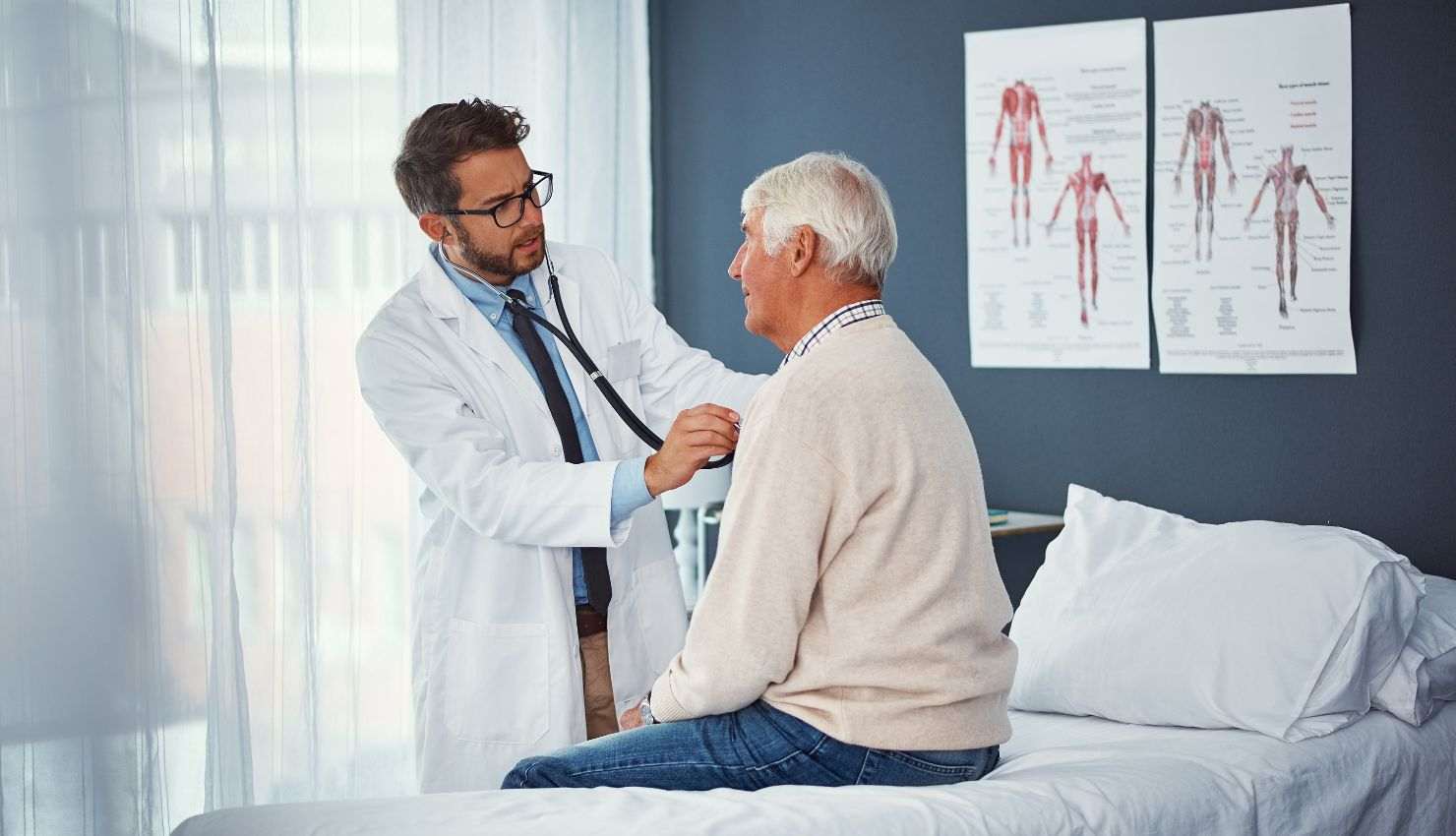
If youve recently had surgeryor are preparing for oneyou already know recovery is more than just rest and pain management. Its about getting your body back to full function, safely and confidently. Thats where functional health checkups become a powerful part of your post-surgery rehab plan.
What Are Functional Health Checkups?
Think of a functional health checkup as a guided tour of your bodys movement. Its not just about how you feelits about how you move. These assessments look at joint mobility, muscle strength, balance, flexibility, and coordination to give a full picture of how your body is recovering and adapting.
And post-surgery? That insight is crucial.
Whether your surgery was orthopedic (like a knee replacement), related to a sports injury (like a rotator cuff repair), or something more general (like abdominal or spinal procedures), a functional checkup helps bridge the gap between medical treatment and real-world movement.
Why They’re So Important in Post-Surgery Rehab
Heres the truth: after surgery, your body compensates. You favor one side. Certain muscles stop firing correctly. Your range of motion becomes limited. These changes can linger long after the incision healsunless you actively address them.
A functional health checkup:
?? Identifies compensation patterns (like limping, overusing your good side, or poor posture)
?? Assesses range of motion and flexibility to track how much you’ve regainedand what still needs work
?? Detects muscle weakness or inactivity that could delay full recovery
??? Recommends targeted exercises to rebuild strength and coordination
?? Monitors your progress to ensure your rehab is actually moving forwardnot just plateauing
The Personal Touch Your Rehab Needs
Every body (and every surgery) is different. What worked for someone else wont always work for you. Functional health checkups offer a personalized recovery plan, shaped around your needs, goals, and current condition.
Lets say you had ACL surgery. Youll want to know:
Are your glutes firing properly?
Is your knee tracking straight during movement?
Do you have full ankle and hip mobility to support your return to sport?
A good functional checkup will answer all thatand more.
Benefits Youll Notice in Real Life
Easier return to daily tasks (walking, dressing, working)
More confidence in movementless fear of re-injury
Better posture and alignment as you resume activity
Stronger, more balanced muscle engagement
Faster return to hobbies, sports, or fitness routines
When Should You Start?
With your surgeon or physical therapist’s green light, functional health assessments can begin relatively early in your recoverystarting with basic movements and slowly progressing as your strength and stability return.
Its not about rushing. Its about progressing wisely.
Bottom Line?
Post-surgery rehab doesnt stop when the stitches come out. Functional health checkups help ensure your recovery leads to full, pain-free, confident movementnot just survival. They fill in the gap between medical care and complete mobilitygiving you the guidance you need to move forward stronger than ever.