The Role of Gait Analysis in Diagnosing Joint Dysfunction and Postural Issues explores targeted strategies for recovery. Discover new paths to mobility, healing, and personalized care.

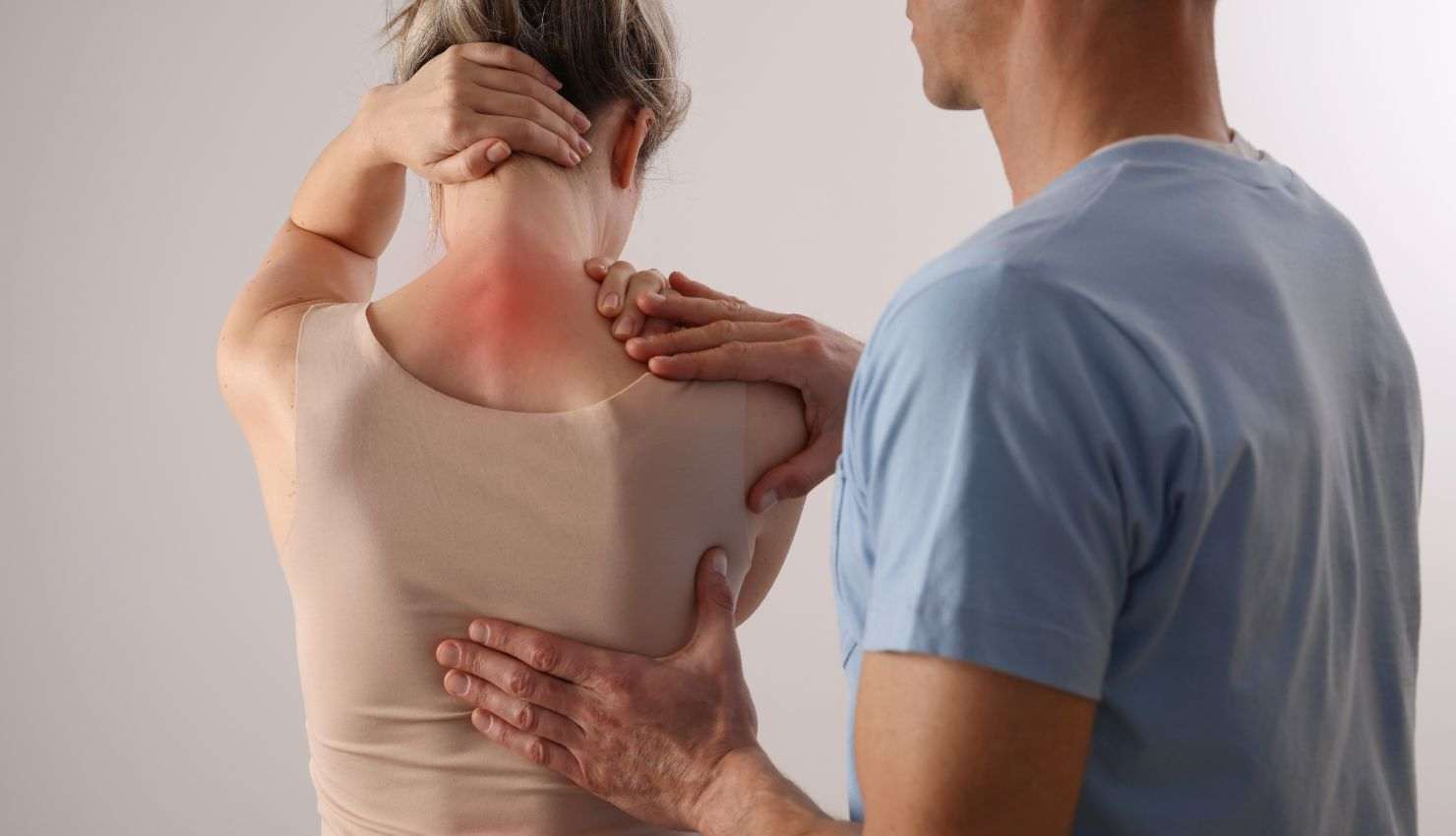
Joint dysfunction and postural imbalances often go unnoticed until pain or limited mobility interferes with daily life. These problems usually develop gradually due to poor movement patterns, muscle imbalances, or uneven loading of the joints. One of the most effective ways to uncover these hidden issues is through gait analysisa detailed study of how you walk or run. At YourFormSux, we use gait analysis to detect the root causes of joint stress and posture-related pain, helping our clients restore proper alignment and prevent long-term injury.
What Is Gait Analysis?
Gait analysis is a diagnostic process that evaluates your walking or running pattern. It includes:
Observing how your feet strike the ground
Measuring stride length and step symmetry
Assessing how joints move during each phase of the gait cycle
Tracking shifts in body weight, balance, and posture
Advanced technologies like motion sensors, pressure mapping, and video analysis offer deep insights into how each jointfrom your toes to your spinefunctions during movement.
How Joint Dysfunction Develops from Poor Gait
Your joints are designed to move in specific directions under balanced conditions. When your walking pattern becomes inefficient, either due to habit, injury, or structural changes, joints are pushed outside their ideal range of motion. This leads to:
Excessive wear and tear on cartilage
Muscle fatigue and tension
Ligament strain or laxity
Inflammation and restricted mobility
Over time, the cumulative stress creates joint dysfunction in the knees, hips, ankles, or spine. Symptoms might include joint stiffness, pain during movement, decreased range of motion, or recurring injuries.
Postural Issues Are Often Hidden in Gait
Posture isn’t just about standing stillits about how your body holds itself during movement. Gait analysis helps identify common postural problems such as:
Forward head posture due to poor trunk alignment
Pelvic tilt or rotation that leads to uneven stride or hip imbalance
Shoulder drop or asymmetry caused by uneven weight bearing
Excessive lumbar lordosis or thoracic kyphosis from poor trunk control
These postural issues not only lead to joint dysfunction but also impact breathing, energy levels, and even circulation over time.
What Gait Analysis Can Reveal About Joint and Postural Health
Uneven Weight Distribution
If one leg carries more weight than the other, it may indicate joint instability or a leg length discrepancy. Over time, this can cause hip, knee, or foot dysfunction.
Knee Tracking Abnormalities
Gait analysis can show whether your knees track correctly over your toes. Poor tracking often leads to patellofemoral pain, ligament strain, or degenerative joint changes.
Compensatory Movements After Injury
Many people develop subconscious compensations after surgery or injury, such as limping or hip hiking. Gait analysis identifies these and helps correct them before they become long-term issues.
Foot Positioning and Alignment
Misaligned feetsuch as overpronation or supinationcan cause a chain reaction of stress on the ankles, knees, and hips, contributing to joint dysfunction and poor posture.
Poor Core Engagement and Pelvic Instability
Weak core muscles can lead to poor postural control during movement. Gait analysis can detect signs of poor pelvic control, which is linked to both low back pain and hip dysfunction.
Integrating Gait Analysis into Treatment
Once joint and postural issues are identified through gait analysis, a personalized corrective plan can be developed. This often includes:
Manual therapy to restore joint mobility
Targeted exercises to strengthen weak or underused muscles
Stretching and mobility drills to reduce tension in tight areas
Custom orthotics to realign foot positioning and correct gait mechanics
Postural training to rebuild movement awareness and muscle coordination
Benefits of Early Detection
Catching joint dysfunction and postural issues early is crucial. If left uncorrected, these problems can lead to:
Chronic pain conditions
Reduced physical performance
Decreased mobility and independence
Premature joint degeneration
By addressing problems before they escalate, gait analysis acts as a preventive tool that safeguards joint health and supports lifelong movement.
Who Should Consider Gait Analysis for Joint and Postural Issues?
Gait analysis is ideal for:
Individuals with chronic joint pain or stiffness
People recovering from joint replacement or injury
Athletes with recurrent movement-related injuries
Seniors with postural imbalances or fall risk
Anyone with visible asymmetry in posture or gait
Strength Begins with Awareness
Understanding how your body moves is the first step toward restoring healthy joints and proper posture. Gait analysis provides the clinical insight needed to diagnose dysfunction, correct imbalances, and promote efficient, pain-free movement.