The Role of Gait Analysis in Treating Joint Pain and Muscle Imbalances explores targeted strategies for recovery. Discover new paths to mobility, healing, and personalized care.

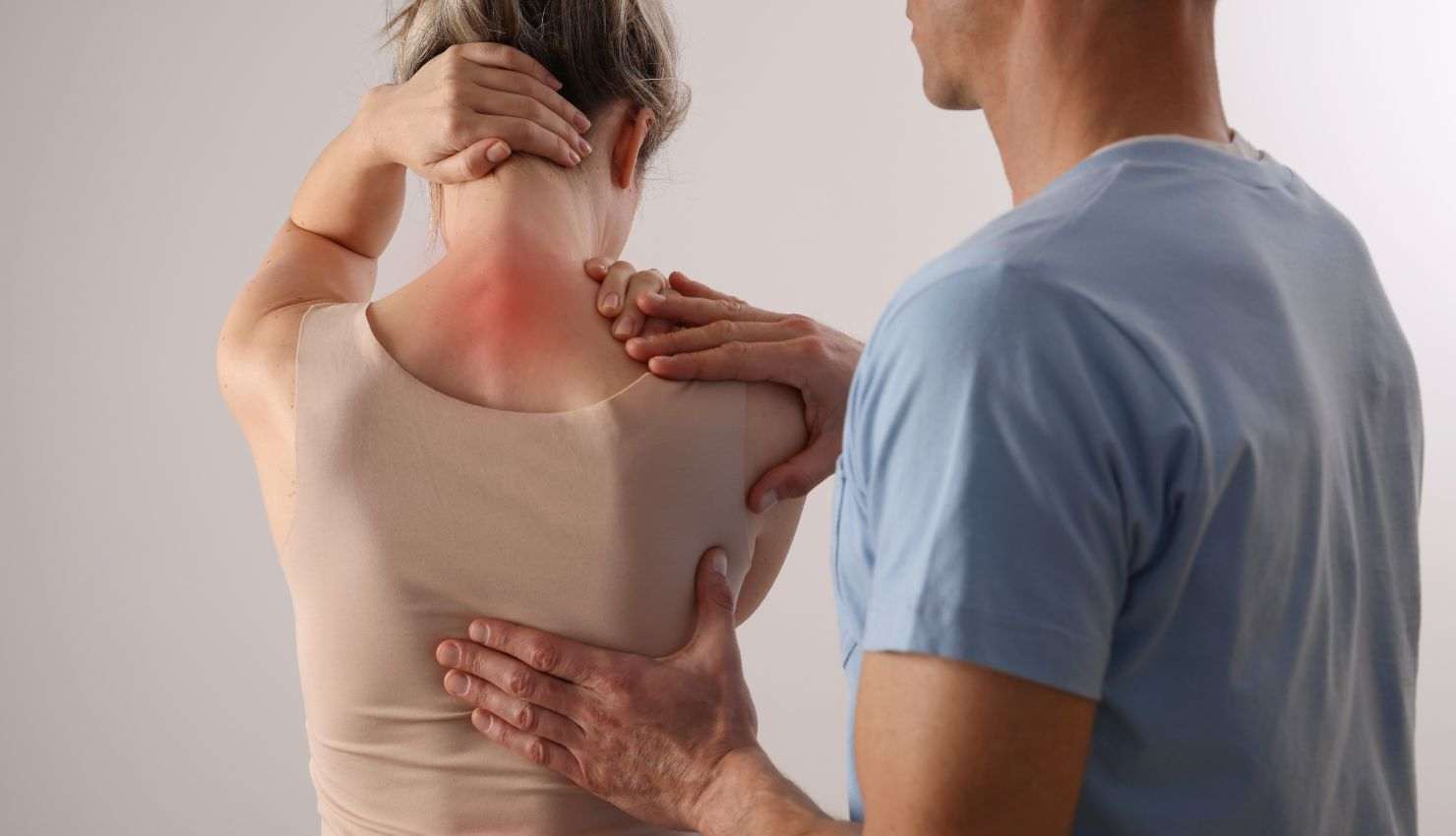
Joint pain and muscle imbalances can be both symptoms and causes of dysfunctional movement. Whether youre dealing with chronic knee pain, hip discomfort, or recurring back tightness, the way you walk plays a critical role in how these problems develop and persist. Gait analysis offers an advanced and personalized way to uncover the root causes behind joint pain and muscular imbalances, allowing for targeted treatment and long-term relief.
At Your Form Sux (YFS) in Canada, we use gait analysis as a cornerstone of physiotherapy and rehabilitation. By evaluating how your body moves, we can identify patterns that contribute to joint stress and muscular compensationand then correct them through therapy and orthotic support.
Understanding Muscle Imbalances and Joint Pain
Muscle imbalances occur when certain muscles are stronger, tighter, or more dominant than others. These imbalances often develop due to poor posture, injury, repetitive motion, or inactivity. Over time, they change how joints move and absorb force, increasing the risk of inflammation, degeneration, and chronic pain.
Common examples include:
Tight hip flexors and weak glutes leading to lower back pain
Overactive quads and underused hamstrings causing knee discomfort
Uneven ankle stability leading to compensatory gait and hip strain
Shoulder imbalances linked to poor trunk posture and spinal issues
Joint pain is often the end result of these imbalances, especially when poor movement mechanics put excessive pressure on certain joints during walking or running.
What Is Gait Analysis?
Gait analysis is a dynamic assessment of how you walk, involving the use of video capture, pressure sensors, and joint motion tracking to evaluate:
Foot strike and push-off mechanics
Hip and pelvic alignment
Knee positioning during stance and swing phases
Symmetry between left and right limbs
Muscle timing and joint loading
This information provides a complete picture of how your joints and muscles interact in real timeessential for diagnosing and treating biomechanical problems that cause pain.
How Gait Analysis Helps Treat Joint Pain and Imbalances
Identifies Asymmetries
Gait analysis reveals subtle differences between the left and right side of your body that you may not notice on your own. These imbalances often contribute to uneven joint loading and muscular compensation.
Locates Stress Points
By examining how your joints move during walking, gait analysis pinpoints areas where excess stress is being placedsuch as knees collapsing inward or hips rotating improperlyleading to pain or inflammation.
Supports Muscle Re-education
Once problem areas are identified, physiotherapists can prescribe specific exercises that strengthen underactive muscles and relax overused ones, helping to restore balance and functional movement.
Improves Joint Alignment
Gait analysis reveals alignment issues that contribute to poor joint mechanics. Addressing these issues early can prevent further damage to cartilage and ligaments, especially in weight-bearing joints like the knees and hips.
Integrates Orthotic Solutions
In some cases, joint pain stems from faulty foot mechanics such as overpronation or arch collapse. Custom orthotics based on your gait analysis can provide the necessary support to correct alignment and offload pressure from affected joints.
Why Gait Analysis Is Better Than Symptom-Based Treatment
Traditional approaches often treat the site of pain without addressing the source. For example, knee pain might be treated with ice and restbut if the root cause is poor hip control or improper foot mechanics, the pain will likely return. Gait analysis takes a holistic, movement-based view of the body, ensuring treatment targets the true origin of dysfunction.
Who Should Consider Gait Analysis?
You may benefit from gait analysis if you:
Have persistent joint pain during or after walking
Experience one-sided muscle tightness or weakness
Are recovering from an injury and want to prevent recurrence
Have a history of poor posture or sedentary habits
Are active and want to optimize movement and avoid injury
A Preventive Approach to Joint Health
Gait analysis doesnt just treat existing painit helps prevent future problems by identifying and correcting bad habits before they become chronic issues. This makes it a valuable tool for athletes, older adults, and anyone who wants to move better and feel stronger for the long term.
YFS: Your Partner in Joint and Muscle Health
At Your Form Sux, our physiotherapists use detailed gait analysis to guide every aspect of your care plan. Whether you need targeted rehab, custom orthotics, or corrective exercise, we design solutions tailored to your bodys specific movement profile. With consistent support, we help you eliminate pain, restore strength, and achieve balance in every step.
Move Smarter. Hurt Less. Live Better.
Joint pain and muscle imbalances dont have to define how you move. With expert gait analysis and personalized care, you can unlock a new level of comfort and performance. Let YFS help you walk your way to long-lasting relief.