The Role of Joint Mobility in Managing Long-Term Back Pain explores targeted strategies for recovery. Discover new paths to mobility, healing, and personalized care.

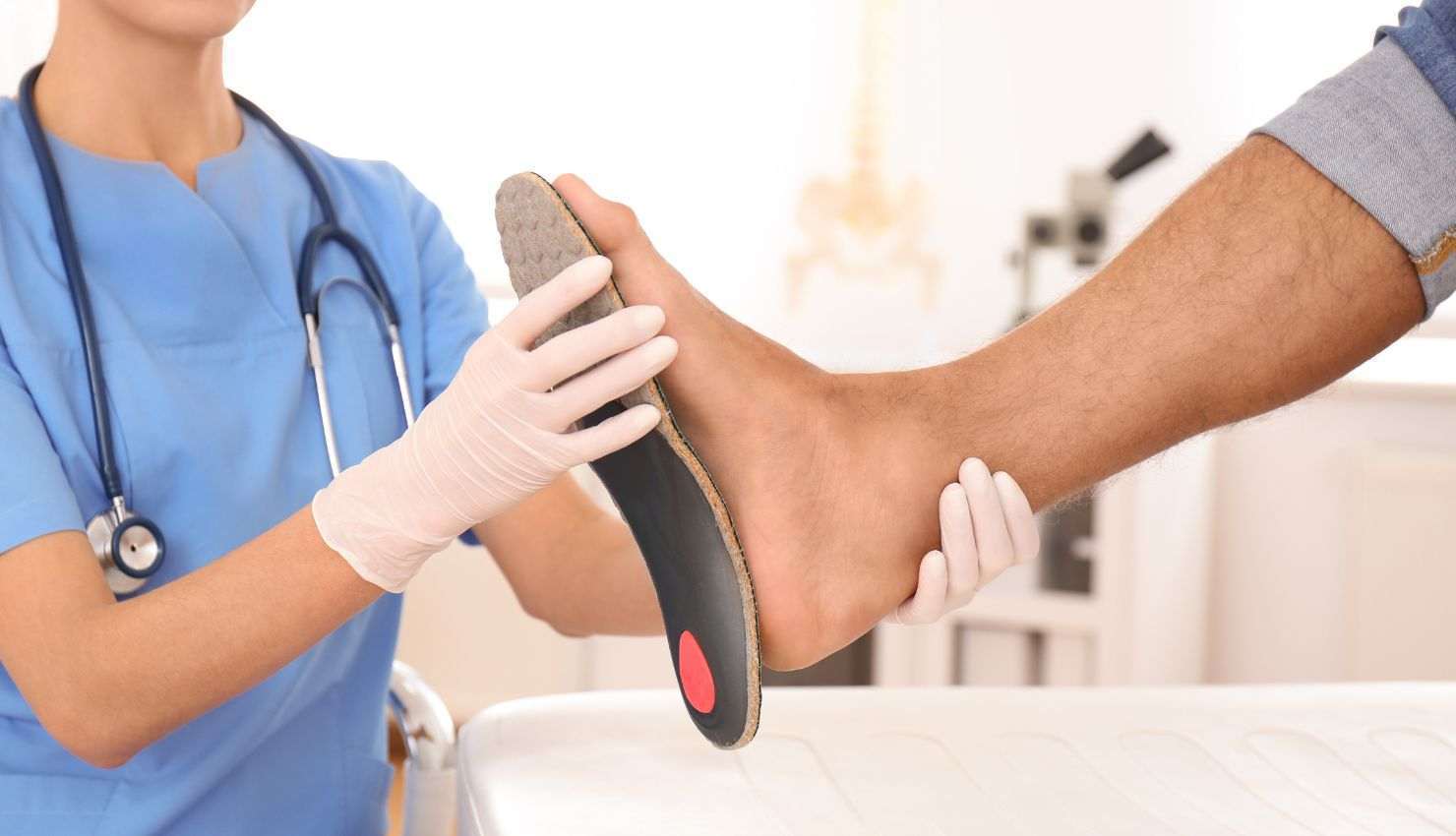
Back pain is one of the most common chronic complaints worldwide, affecting people across all activity levelsfrom sedentary desk workers to high-performing athletes. While many treatments focus on the spine itself through stretches, strengthening, or manual therapy, lasting relief often requires a broader, more integrated approach. One of the most overlookedbut crucialfactors in managing long-term back pain is joint mobility.
At YourFormSux (YFS), we focus on optimizing how the entire body movesnot just treating pain at its source. Joint mobility, especially in the hips, thoracic spine, and pelvis, plays a central role in how load is transferred through the back. When these joints lose mobility, the spine takes on more stress than it should. Over time, this leads to breakdown, tension, and chronic pain.
Understanding the MobilityBack Pain Connection
The spine is a complex, multi-joint structure designed to balance stability and mobility. Certain segments (like the lumbar spine) prioritize stability, while others (like the thoracic spine) are built for motion. When mobility is lacking in adjacent joints, the body compensates by moving more where it shouldn’toften in the lower back.
This compensation creates:
Muscle guarding and tension
Compression of spinal discs and joints
Movement inefficiency and poor load distribution
Recurrent pain cycles that dont respond to stretching alone
Joint mobilityparticularly in the hips, thoracic spine, and shouldershelps the spine do its job more effectively by allowing the whole system to move in harmony.
How Joint Mobility Helps Relieve and Prevent Back Pain
1. Restores Proper Load Distribution
When hip or thoracic spine mobility is restricted, the lower back compensates during movements like walking, bending, twisting, or lifting. This causes the lumbar spine to move excessively, resulting in joint strain, irritation, and fatigue.
Improving mobility in these adjacent joints offloads the spine and allows for even distribution of mechanical stress, reducing inflammation and discomfort over time.
2. Rebuilds Functional Movement Patterns
Back pain often disrupts basic movement strategies. People start avoiding full range of motion out of fear or discomfort. Joint mobility training restores confidence and quality in movement, helping clients relearn how to hinge, rotate, or squat without excessive spinal stress.
This retraining is vital for daily tasks like getting out of bed, picking things up, or walking up stairs without pain.
3. Reduces Protective Tension and Muscle Guarding
The nervous system often responds to joint instability or dysfunction by tightening muscles around the spine. Chronic bracing can create stiffness, poor circulation, and pain amplification.
By improving joint mobility and giving the body access to safe, controlled ranges, you reduce this protective response. This allows muscles to relax, improves circulation, and restores ease in movement.
4. Improves Core Engagement Through Pelvic Control
Joint optimization in the pelvis and hips directly influences the function of the core muscles, including the pelvic floor, diaphragm, and deep abdominal stabilizers. When hip mobility improves, the core activates more naturally, improving posture and spinal supporttwo critical factors in back pain management.
Why the Nervous System Matters
Back pain isnt just structuralits neurological. When the brain perceives instability, danger, or compensation patterns, it responds with pain to warn and protect the body. Joint mobility training addresses this by:
Reintroducing safe movement through nervous system-friendly drills
Improving sensory feedback from joints (proprioception)
Rebuilding movement confidence and decreasing threat perception
Enhancing coordination and muscle firing patterns
At YFS, we use joint mobility as a nervous system re-education tool, helping the body learn new, pain-free ways to move.
Key Areas to Mobilize for Long-Term Back Health
Our approach to managing back pain through joint optimization targets several key areas:
Hips: Poor hip extension or rotation creates excessive lumbar movement during walking, lifting, and squatting.
Thoracic Spine: Stiff upper backs force the lower spine to twist and flex beyond its limits.
Pelvis and Sacroiliac (SI) Joints: These govern how forces are transferred from the legs to the spinedysfunction here often triggers low back issues.
Ankles and Shoulders: Surprisingly, mobility limitations at the ends of the kinetic chain can still influence how the back compensates for full-body movement.
We assess and train each of these joints as part of a comprehensive strategy to improve spinal resilience.
What Joint Optimization Looks Like at YFS
Our mobility and joint optimization sessions at YourFormSux are grounded in science and tailored to your individual needs. Each program includes:
Assessment of joint mobility and movement quality
Controlled articular rotations (CARs) for joint capsule health
End-range isometric training to build control where it matters most
Nervous system regulation tools to decrease threat and pain sensitivity
Functional retraining to integrate joint improvements into everyday movement
We dont just loosen things upwe teach your joints, muscles, and brain how to move again with strength and trust.
Long-Term Benefits of Joint Mobility for Back Pain
Clients who commit to joint mobility as part of their pain management strategy consistently report:
Fewer back flare-ups and longer-lasting relief
Increased freedom in movement (e.g., walking, sitting, bending)
Reduced stiffness and tension, especially in the morning
Better posture and core control
Improved ability to exercise without aggravating symptoms
A renewed sense of confidence and control over their body
These outcomes arent achieved by chasing symptoms. Theyre earned by addressing the real movement problems beneath the pain.
Final Thoughts
Chronic back pain rarely stems from a single cause. But one thing is clear: joint mobility plays a pivotal role in how your spine feels, functions, and adapts over time. Without mobile, cooperative joints, your spine is forced to pick up the slackeventually leading to pain and dysfunction.
At YourFormSux, we teach you to move from the inside out. Through joint optimization, nervous system re-education, and smart mobility work, we help you build a spine thats stable, supported, and pain-resilient for life.