The Role of Joint Mobility in Preventing Chronic Pain and Injury explores targeted strategies for recovery. Discover new paths to mobility, healing, and personalized care.

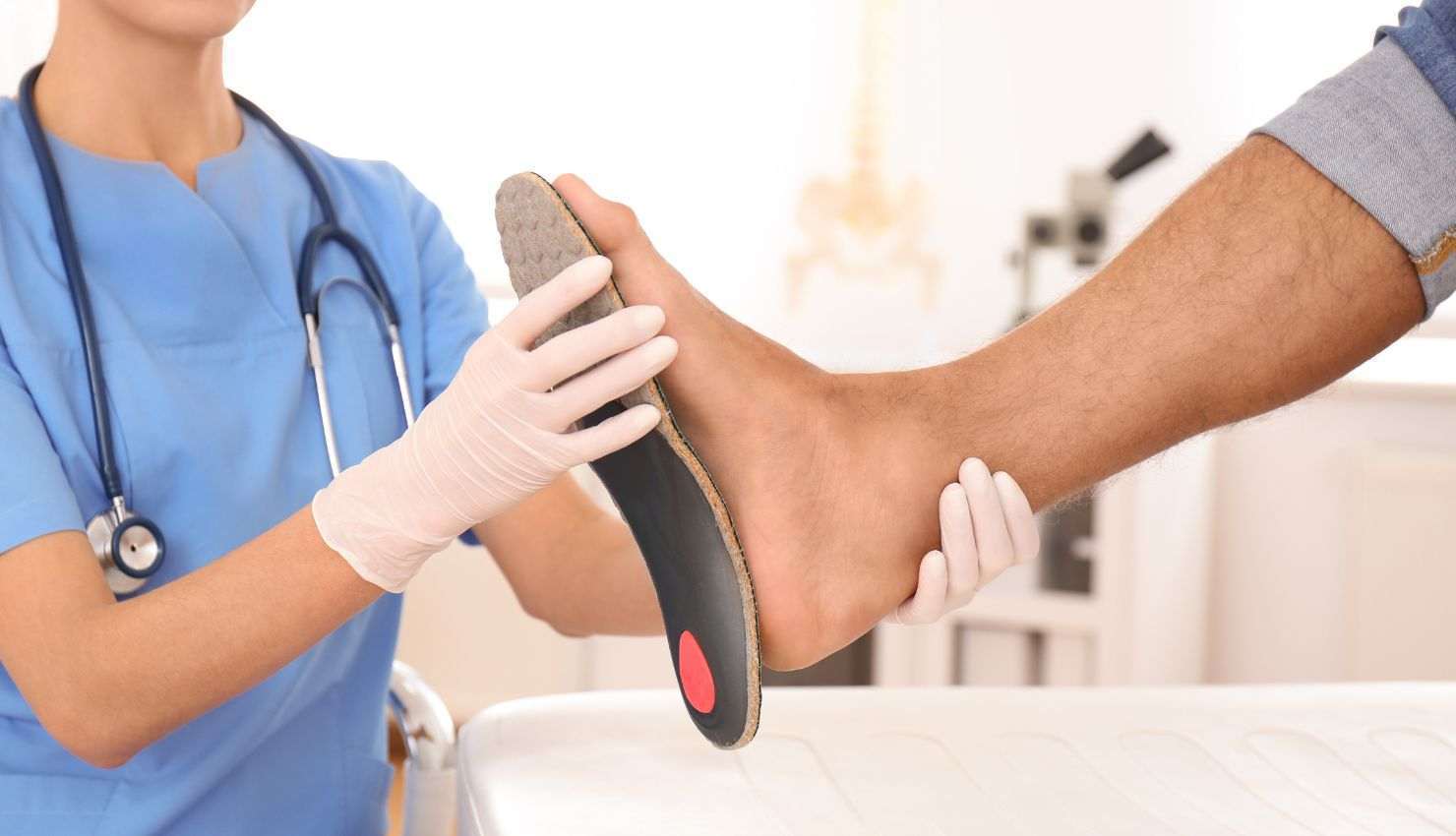
Chronic pain and recurring injuries are more than just frustratingthey can take over your life. Whether it’s persistent low back pain, nagging shoulder discomfort, or knees that ache with every step, these issues rarely appear out of nowhere. Often, theyre the result of something that went unaddressed for too long: poor joint mobility.
At YFS, we help Canadians move beyond symptom management. We believe in prevention through movementspecifically, by restoring and optimizing joint mobility. When your joints move as they should, your body becomes stronger, more balanced, and far less likely to break down.
So lets dig into how joint mobility plays a critical role in preventing chronic pain and injuryand how optimizing it can be your best strategy for long-term health.
What Is Joint Mobility, and Why Is It So Important?
Joint mobility is the ability of a joint to move freely through its full range of motion, with control and stability. Its not just about being flexible. It’s about how well the joint works, how it responds to movement, and how it communicates with the surrounding muscles and nervous system.
Think of mobility as your bodys ability to move with ease. When your joints are mobile:
Movements are smooth and efficient
Muscles dont have to overcompensate
Stress is distributed evenly across your body
Theres less friction, tension, and wear on the joints
Now flip that. When mobility is limited:
You compensate with improper movement patterns
Muscles become overworked and imbalanced
Stress accumulates in areas not designed to handle it
Inflammation, tightness, and pain follow
This is exactly how small movement problems snowball into big, chronic pain issues.
How Poor Joint Mobility Leads to Chronic Pain
When one joint doesn’t move properly, other areas of your body are forced to pick up the slack. This is called compensationand its one of the primary causes of long-term pain and recurring injury.
Some common examples:
Stiff ankles cause poor squat mechanics, leading to knee or hip pain
Restricted hip mobility forces the lower back to move excessively, triggering back pain
Limited thoracic spine mobility results in shoulder issues or neck stiffness
Immobile wrists affect grip strength and elbow alignment, contributing to repetitive strain injuries
Without sufficient joint mobility, you might get through a workout or a workday just fine. But over time, those small inefficiencies become big problems. Your muscles tighten. Your joints ache. And you begin to move lessnot because you want to, but because your body starts resisting.
The Vicious Cycle of Pain and Immobility
Once chronic pain sets in, your body tends to guard and restrict movement even more. You may start moving less, which only leads to:
More stiffness
More compensation
Less activity
More pain
It becomes a self-reinforcing cycle. The way out? Start moving betternot just more.
Thats where joint mobility optimization comes in.
Joint Mobility as a Preventative Strategy
Optimizing your joint mobility gives your body the ability to absorb and distribute force evenly, which protects against overuse and acute injuries. It allows you to move without unnecessary strain, keeping your muscles, tendons, and joints in better alignment.
At YFS, we believe that mobility training is not just a rehab toolits preventative medicine. By identifying and addressing mobility restrictions early, we can:
Stop injuries before they start
Relieve pressure on overworked tissues
Balance the bodys movement patterns
Build resilience into your everyday movement
The Benefits of Prioritizing Joint Mobility
By regularly working on joint mobility and optimizing movement, youll see:
Reduced chronic stiffness and soreness
Less need for pain medications or passive therapies
Fewer flare-ups of recurring injuries
Greater ease and comfort in daily movements
Improved posture and alignment
A better relationship with movement overall
And perhaps most importantlyyou gain back control of your body. You stop fearing movement and start embracing it again.
The YFS Approach to Mobility and Pain Prevention
At Your Form Sux, we dont believe in cookie-cutter stretches or temporary fixes. Our goal is to future-proof your body through intelligent, individualized mobility work.
Heres how we do it:
Assessment: We identify exactly where your mobility is restrictedand what it’s affecting.
Correction: We use targeted drills to restore movement and joint function.
Integration: We train your body to move efficiently as a whole, so good patterns become second nature.
Progression: We keep building mobility and stability so you stay ahead of future issues.
Whether you’re in pain now or want to prevent problems down the line, our joint mobility programs are designed to give you lasting resultsnot just relief.
Who Should Focus on Mobility for Pain Prevention?
Anyone who:
Has a history of recurring injuries (shoulders, knees, hips, back, neck)
Works a sedentary job and feels chronically stiff
Is active but constantly nursing tweaks and discomfort
Is aging and noticing loss of ease in movement
Simply wants to stay mobile, agile, and pain-free for life
In other words, everyone can benefit from mobility workbecause movement is a part of life, and how well you move determines how good you feel.
Final Thoughts
Chronic pain and recurring injuries dont have to be your normal. Youre not brokenand you dont have to accept discomfort as part of aging or activity. The root of the problem often lies in how your body moves, and joint mobility is the doorway to fixing that.
At YFS, we help Canadians take control of their health by addressing the movement issues that lead to pain and breakdown. Our joint mobility optimization programs are designed to not only get you out of painbut to keep you out of pain.
Ready to stop treating symptoms and start solving the problem? Book a mobility assessment with YFS today and take your first step toward a pain-free, resilient future.