The Role of Joint Optimization in Preventing Overstretching and Injuries explores targeted strategies for recovery. Discover new paths to mobility, healing, and personalized care.

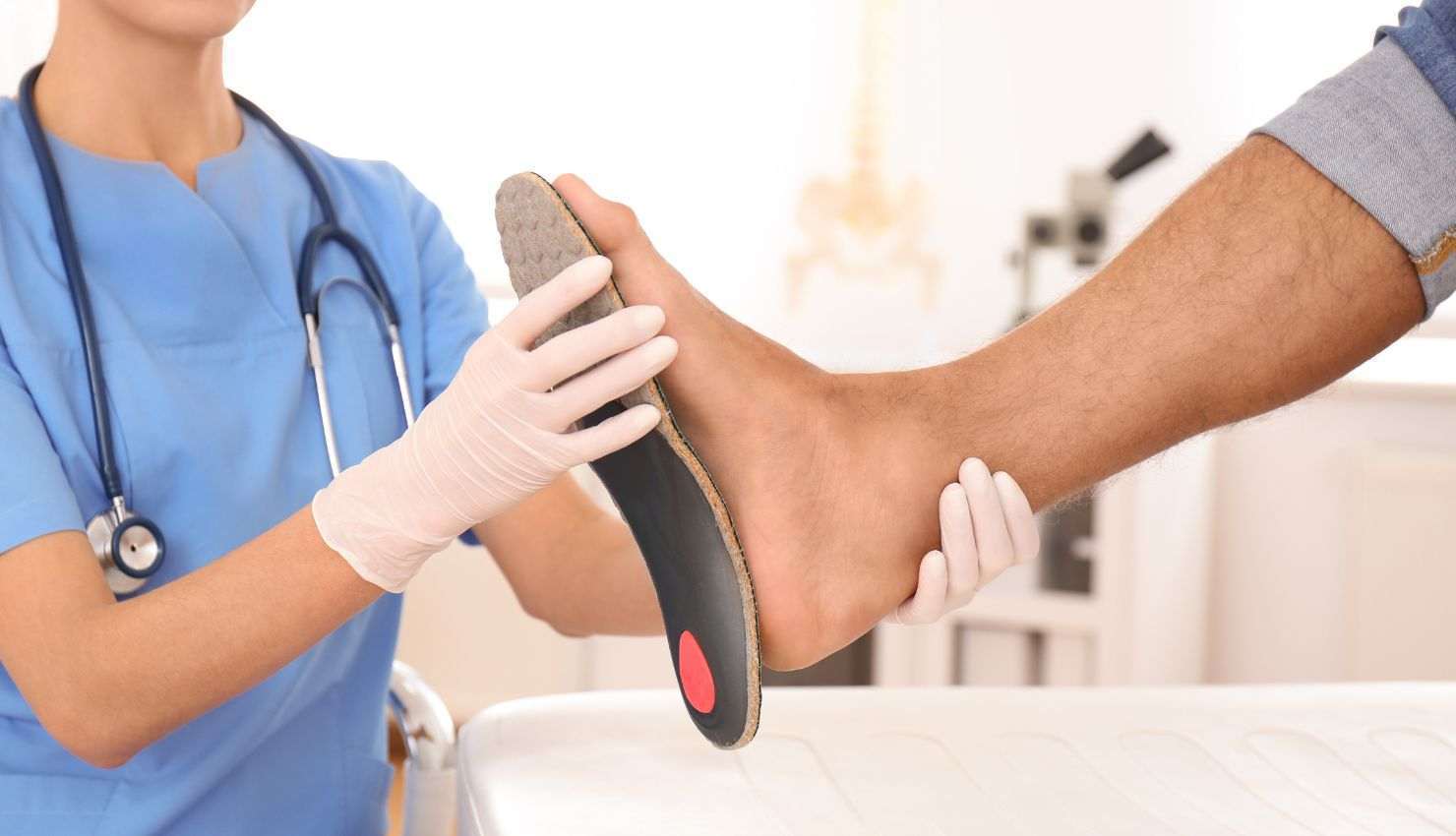
Injuries caused by overstretching are common among athletes, active individuals, and even those in everyday life. Overstretching occurs when joints and surrounding tissues are forced beyond their normal range of motion, leading to strains, sprains, or even joint instability. Joint optimizationthe process of enhancing joint function, strength, and controlis essential to preventing these injuries and ensuring safe, effective movement.
At YourFormSux (YFS), we focus on joint optimization as a key strategy to protect joints from overstretching and injury. This blog explores how optimizing joint health can reduce injury risk and support long-term mobility.
Understanding Overstretching and Its Risks
Overstretching places excessive stress on ligaments, tendons, and muscles, causing micro-tears or more severe damage. It can also lead to joint laxity, where joints become unstable and prone to recurrent injuries. Common causes of overstretching injuries include:
Improper warm-up or stretching techniques
Sudden or uncontrolled movements
Muscle imbalances or weakness around joints
Poor joint proprioception and control
How Joint Optimization Prevents Overstretching Injuries
Joint optimization strengthens and stabilizes the joint, improving its ability to resist excessive movement and absorb forces safely. Key components include:
1. Enhancing Muscle Strength Around Joints
Strong muscles act as dynamic stabilizers, supporting joints and preventing excessive stretching of ligaments.
2. Improving Joint Mobility Within Safe Ranges
Optimizing joint mobility ensures joints move fluidly without stiffness but are protected from going beyond healthy limits.
3. Boosting Neuromuscular Control and Proprioception
Better body awareness and control help you maintain proper joint positioning during activities, reducing the risk of overstretching.
4. Correcting Biomechanical Faults
Physiotherapy addresses faulty movement patterns that may predispose joints to overstretching and injury.
Physiotherapy Techniques for Joint Optimization and Injury Prevention
Physiotherapists utilize various methods to optimize joints:
Targeted strengthening exercises to build muscle support
Joint mobilizations to improve healthy mobility
Balance and coordination training to enhance proprioception
Movement analysis and correction to prevent harmful patterns
Education on safe stretching and warm-up practices
Benefits of Joint Optimization in Preventing Injuries
Reduced incidence of strains and sprains
Increased joint stability and control
Improved movement efficiency and performance
Decreased risk of chronic joint issues due to repetitive injury
Enhanced confidence in physical activity and sport
When to Seek Physiotherapy for Joint Injury Prevention
If you have a history of joint injuries, experience joint instability, or want to improve your physical performance safely, physiotherapy can help optimize your joints and reduce injury risk.
Why Choose YourFormSux (YFS) for Joint Optimization Care
At YourFormSux (YFS), our physiotherapists specialize in joint optimization and injury prevention. We provide personalized programs to strengthen and protect your joints, enabling safe, effective movement tailored to your lifestyle and goals.
Final Thoughts: Protect Your Joints by Optimizing Function
Joint optimization is a powerful tool to prevent overstretching injuries and maintain healthy, stable joints. By improving strength, mobility, and control, you can enjoy physical activities with reduced injury risk and better performance.