The Role of Mobility & Joint Optimization in Injury-Free Training explores targeted strategies for recovery. Discover new paths to mobility, healing, and personalized care.

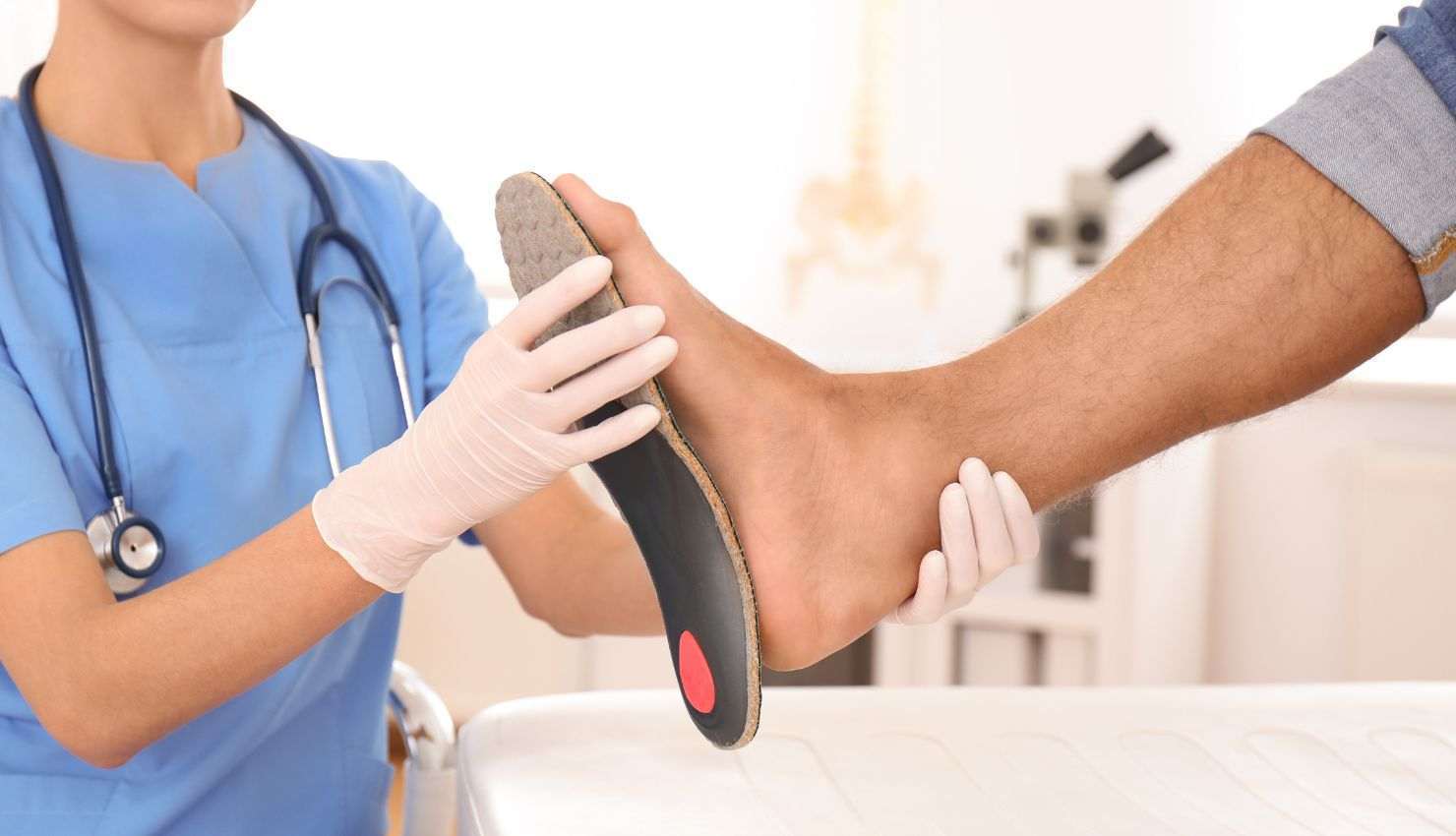
Whether you’re a seasoned athlete or someone who enjoys a casual workout, the importance of injury-free training cannot be overstated. Injuries can not only derail your fitness goals but also lead to long recovery times that can affect your overall health and well-being. One of the most effective ways to prevent injuries is by incorporating mobility and joint optimization into your training routine. Mobility and joint optimization exercises are designed to increase the range of motion, improve joint function, and enhance muscle coordination, all of which contribute to safer and more effective training.
In this blog, well explore how mobility and joint optimization help maintain injury-free training and why they should be an integral part of any fitness program.
What is Mobility & Joint Optimization?
Mobility refers to the ability of a joint to move freely and smoothly through its full range of motion. Joint optimization is a broader concept that focuses on maintaining or improving the function, flexibility, and strength of the muscles, tendons, and ligaments surrounding the joint. This combination of mobility and joint optimization exercises helps to ensure that the joints move efficiently and without pain, allowing for optimal performance and a reduced risk of injury during physical activity.
Injury-free training is all about movement efficiency, which means the body moves in the most effective way possible to avoid strain or overuse. Joint optimization allows for optimal movement mechanics, which helps prevent the compensatory movements that often lead to injury.
How Mobility & Joint Optimization Prevent Injuries
Improved Range of Motion: When joints are mobile, they can move freely through their full range of motion without restriction. Limited range of motion can lead to improper movement patterns, compensations, or unnecessary strain on other parts of the body. For example, if your hips lack mobility, you may compensate by bending your lower back excessively during exercises like squats or deadlifts, which can lead to lower back pain or injury. Mobility exercises help restore proper movement patterns by improving joint range of motion, making your movements more efficient and reducing the risk of injury.
Enhanced Muscle Activation: Proper joint mobility allows for optimal muscle activation. When joints can move freely, the surrounding muscles can be engaged at the right time and in the right amount, allowing for better control and power during physical activities. For instance, if the ankle joints are stiff, the muscles in the calves and lower legs may not fire properly, which could lead to compensatory movements in the knees or hips. By improving mobility in the ankle joint, the muscles in the lower legs can be activated more efficiently, leading to better performance and less strain on the surrounding muscles and joints.
Balance and Stability: Joint mobility optimization plays a crucial role in balance and stability, which are essential for injury prevention. When the joints are mobile and functioning correctly, the body can respond to movement demands more effectively. Mobility exercises improve the body’s ability to stabilize itself in different positions, helping to prevent falls or injuries during exercises that require balance, such as squats, lunges, or dynamic movements. Joint optimization ensures that the bodys stabilizer muscles are working properly, providing better overall control during movement.
Increased Strength and Power: A mobile joint allows for a more efficient transfer of force from one part of the body to another, which is critical for strength training and explosive movements. For example, optimized hip mobility can improve the depth and power of squats, deadlifts, and other lower body exercises. When the joints move freely, the body can generate more force, improving athletic performance and reducing the risk of strain or overuse injuries.
Prevention of Muscle Imbalances: Joint mobility optimization helps prevent muscle imbalances by ensuring that all muscles surrounding the joint are working together harmoniously. A lack of mobility in one joint often leads to overcompensation in other areas of the body, causing muscle imbalances. For example, tight hip flexors may lead to overuse of the lower back muscles, resulting in muscle strain and injury. Mobility exercises for the hips, lower back, and pelvis can help alleviate these imbalances, promoting better alignment and reducing the risk of injury.
Better Posture and Alignment: Good posture is essential for safe and effective movement. Poor posture often results from joint stiffness or misalignment, which can lead to inefficient movement patterns and increase the risk of injury. Mobility and joint optimization exercises help promote better posture by improving joint function and restoring natural alignment in the spine, hips, and shoulders. When the body is aligned properly, movements become more efficient, reducing the risk of injury during training.
Types of Mobility & Joint Optimization Exercises for Injury-Free Training
Dynamic Stretching: Dynamic stretches involve moving the body through a full range of motion in a controlled manner, helping to activate muscles and improve flexibility. These stretches are ideal for warming up before exercise and preparing the joints for movement. Examples include leg swings, arm circles, lunges with a twist, and hip rotations. Dynamic stretching improves joint mobility, reduces the risk of injury, and enhances performance during exercise.
Foam Rolling and Myofascial Release: Foam rolling is an effective technique for improving muscle flexibility and relieving tension in the fascia (the connective tissue surrounding muscles). Foam rolling helps release tight spots in the muscles, which can limit joint mobility and contribute to injury. Rolling out areas like the hamstrings, quads, calves, and upper back can improve range of motion and reduce muscle stiffness, making it easier to move efficiently during training.
Joint-Specific Mobility Drills: Joint-specific mobility drills focus on improving the function of specific joints, such as the hips, ankles, shoulders, and wrists. Examples include hip circles, ankle dorsiflexion stretches, shoulder dislocations with a resistance band, and wrist stretches. These exercises help to improve flexibility, strength, and mobility in the targeted joint, reducing stiffness and improving movement efficiency.
Strength Training with Full Range of Motion: Strengthening muscles through compound exercises like squats, lunges, deadlifts, and overhead presses helps improve both strength and joint mobility. These exercises require the joints to move through their full range of motion, promoting better muscle activation and improving mobility in the process. Its essential to perform strength exercises with proper form and control to avoid injury and ensure that the joints are moving through their natural range.
Yoga and Pilates: Yoga and Pilates are excellent for enhancing joint mobility, flexibility, and overall strength. Many yoga poses, such as downward dog, warrior lunges, and cat-cow stretches, target the hips, shoulders, and spine, improving flexibility and mobility in these areas. Pilates focuses on strengthening the core and improving posture, which can enhance overall body alignment and joint function.
Stability and Balance Exercises: Incorporating stability exercises like single-leg stands, stability ball exercises, and balance board drills can help improve proprioception (the awareness of body position) and coordination. These exercises train the body to maintain balance and stability, reducing the risk of falls and injuries during physical activity.
Conclusion
Mobility and joint optimization are essential components of injury-free training. By improving range of motion, enhancing muscle activation, and increasing stability, mobility exercises help to ensure that the body moves efficiently and safely during physical activity. Injury prevention is not just about avoiding accidentsit’s about making sure the body functions at its best, with optimal mobility and strength. By incorporating joint mobility and optimization exercises into your routine, you can improve performance, reduce the risk of injury, and train with greater confidence and effectiveness.
Whether you’re lifting weights, running, or participating in sports, mobility and joint optimization should be an integral part of your training program. Prioritize joint health today to ensure a lifetime of injury-free movement and performance.