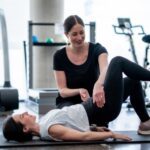
The Role of Movement in Building Emotional Health and Mental Clarity brings new meaning to proactive care. Tap into fresh strategies that promote movement and strength.


In today’s fast-paced world, maintaining emotional balance and mental clarity is becoming increasingly difficult. Stress, anxiety, and digital overload cloud our ability to focus and stay grounded. While talk therapy and medication are widely discussed, one powerful tool is often overlookedmovement. At YourFormSux (YFS), we believe in using physiotherapy-guided movement as a core strategy for enhancing emotional health and improving mental clarity.
Why Movement Matters for Emotional Well-Being
Emotions dont just reside in the mindthey are stored in the body. Tension in your shoulders, tightness in your chest, or heaviness in your legs are all physical manifestations of emotional states. Through movement, these feelings can be released, processed, and transformed. Movement facilitates emotional regulation by stimulating the release of endorphins and reducing stress hormones like cortisol.
Physiotherapy takes this process a step further by offering clinically designed movement patterns that target the emotional-physical connection directly and effectively.
How Physiotherapy Supports Emotional Health
Unlike general exercise routines, physiotherapy is tailored, purposeful, and deeply restorative. It addresses muscular imbalances, posture misalignments, and breathing restrictions that may contribute to emotional instability. At YFS, we use physiotherapy to:
Re-establish breath-body coordination
Alleviate muscular tension linked to stress and anxiety
Improve posture to encourage openness and confidence
Restore natural movement patterns for energetic and emotional flow
By treating the body, we help reset the emotional system.
Movement and Mental Clarity
Mental fog, poor concentration, and scattered thoughts are often symptoms of chronic stress or emotional burnout. Movement can sharpen cognitive function by increasing blood flow to the brain, improving oxygen delivery, and stimulating neural activity. Through physiotherapy-guided sessions, clients report increased mental clarity, sharper focus, and an improved ability to manage their thoughts.
The Power of Breath-Integrated Movement
Breathing is central to both emotional regulation and cognitive performance. At YFS, we teach clients how to pair movement with breathing techniques to optimize nervous system balance. Deep, controlled breathing with movement:
Activates the parasympathetic nervous system (rest-and-digest)
Reduces anxiety and panic responses
Enhances concentration and calmness
Improves mindfulness and present-moment awareness
These effects translate into better emotional control and clearer mental function.
Using Movement to Process Emotions
Emotions are energy in motion. When unprocessed, they can become stored in the body and manifest as chronic pain or stiffness. Movement through physiotherapy allows for safe emotional expression. Whether its gentle stretches, core stability work, or mindful mobility exercises, every motion becomes an opportunity to release emotional tension and restore balance.
Rewiring the Brain Through Movement
The concept of neuroplasticityyour brains ability to form new pathwaysis central to emotional health. Movement stimulates this process by promoting new patterns of thinking and reacting. Repeating physiotherapy-based movement routines reinforces calm, self-regulated responses and reduces impulsive emotional reactivity over time.
Building Confidence and Emotional Stability
Feeling strong and stable in your body translates into emotional strength. When you engage in physiotherapy routines that improve posture, alignment, and muscular balance, you also build self-trust and inner stability. This embodied confidence helps manage daily stress, interpersonal challenges, and emotional triggers with more resilience.
Incorporating Movement into Daily Emotional Wellness
You dont need hour-long workouts to gain emotional benefits from movement. Even 1015 minutes of focused, physiotherapy-guided routines can make a big impact. At YFS, we help clients create micro-practices that fit into their lifestyleshort, targeted movements to reset emotional balance during breaks, at the end of the workday, or before bed.
Why Choose YFS for Movement and Emotional Health Support
At YourFormSux, we understand that mental clarity and emotional well-being cant be achieved through the mind alone. The body must be involved. Our physiotherapy programs are uniquely designed to support the emotional healing process through safe, supportive, and science-based movement strategies tailored to your needs.
Whether youre coping with anxiety, looking to improve focus, or navigating burnout, our team works with you to create an approach that brings your mind and body into alignment.
Conclusion: Movement Is Essential for Emotional and Mental Vitality
Movement is not just a physical activityits a tool for mental clarity and emotional health. Through structured, guided physiotherapy, you can restore balance, process emotions, and sharpen your focus. Emotional wellness and clear thinking are possible when movement becomes part of your healing strategy. At YFS, we help you move with purpose, so your mind and emotions can follow with strength and clarity.