Movement therapy is increasingly recognized as a powerful tool for athletes aiming to reac…

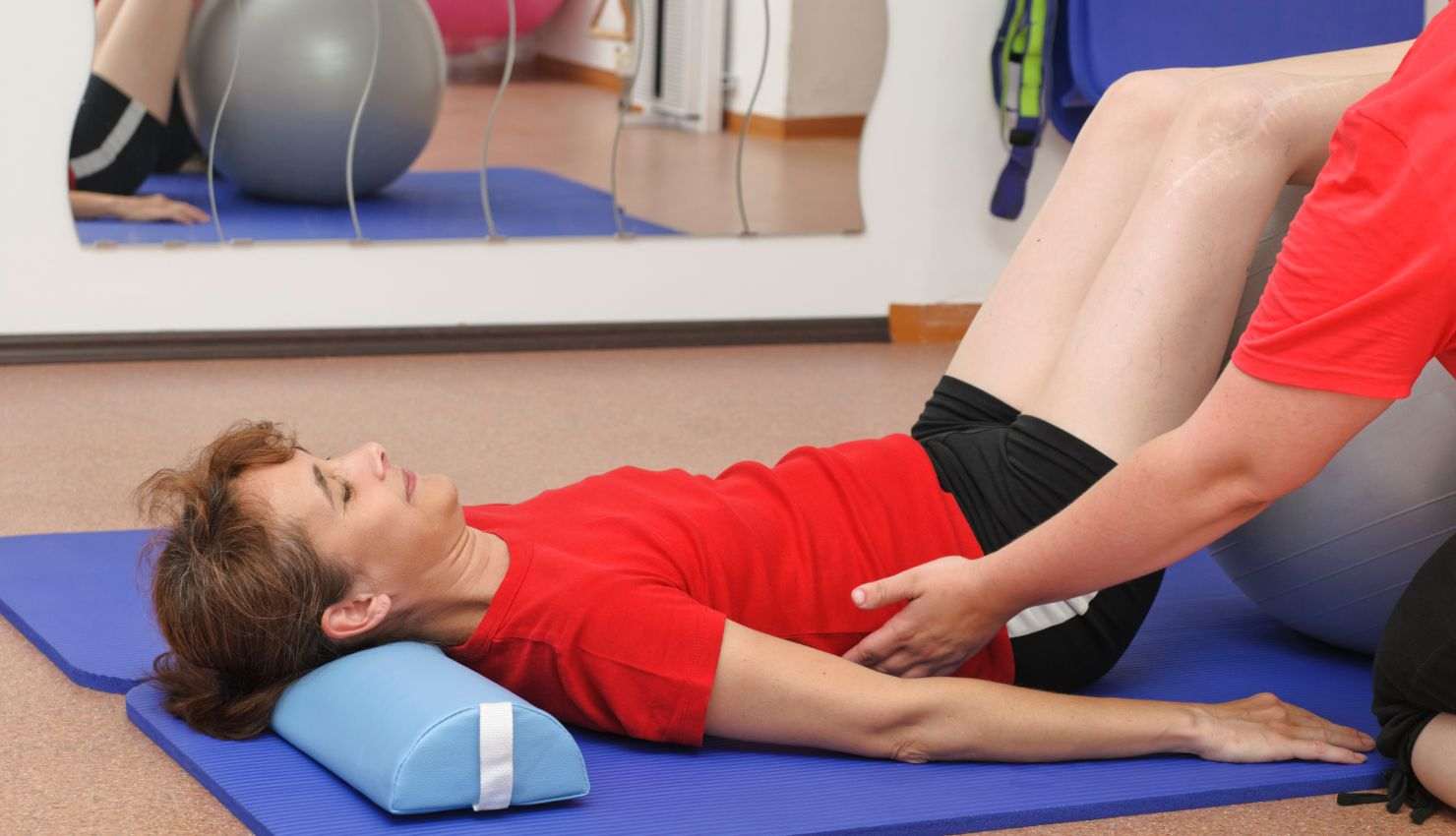
Movement therapy is increasingly recognized as a powerful tool for athletes aiming to reach peak performance while minimizing injury risk. Unlike traditional training that focuses solely on strength and endurance, movement therapy emphasizes quality of movement, neuromuscular control, and functional biomechanics. It serves as both a corrective and performance-enhancing strategy across all sports and skill levels.
Why Movement Therapy Matters for Athletes
Optimizes Movement Efficiency
Movement therapy refines body mechanics, allowing athletes to generate more force with less effort. This translates into improved agility, speed, and power.
Reduces Risk of Injury
Correcting asymmetries, compensations, and poor movement patterns helps prevent overuse injuries, strains, and joint dysfunctionscommon issues in high-level training.
Enhances Recovery and Longevity
Active recovery methods and movement-based mobilizations promote tissue healing, reduce inflammation, and keep joints and muscles supple, enabling athletes to train consistently over time.
Improves Motor Control and Coordination
Movement therapy enhances neuromuscular awareness, leading to better balance, reaction time, and precision during high-demand sports actions.
Targets Sport-Specific Demands
By mimicking functional movements in sport (e.g., throwing, sprinting, jumping), therapy helps athletes build transferable skills in a safe, progressive way.
Core Components of Movement Therapy for Athletes
? Functional Movement Screening (FMS)
Identifies weak links and compensations in fundamental patterns like squatting, lunging, reaching, and rotating.
Provides a foundation for targeted corrective exercises.
? Mobility and Flexibility Training
Restores joint range of motion and tissue extensibility.
Includes dynamic stretching, active release, and joint mobilizations.
? Stability and Core Control
Develops trunk and pelvic stability to support explosive upper and lower limb movements.
Examples: dead bugs, bird dogs, anti-rotation holds.
? Balance and Proprioception
Enhances joint stability under unpredictable or rapid movement conditions.
Drills: single-leg balance, wobble board training, reaction-based drills.
? Movement Integration
Reinforces whole-body coordination with compound, sport-relevant movements (e.g., lateral bounds, rotational throws, sled pushes).
Focuses on timing, rhythm, and energy transfer across joints.
Application by Sport Type
Sport Movement Focus
Soccer / Football Multi-directional speed, hip/knee stability
Basketball Explosive jumping, deceleration control
Swimming Shoulder mobility, scapular stability
Tennis Rotational power, lateral agility
Track & Field Sprint mechanics, plyometric efficiency
Martial Arts Core rotation, ground-to-stand movement flow
Programming Tips for Coaches and Athletes
Integrate movement therapy into warm-ups, cool-downs, and recovery days.
Use video feedback and movement assessments to track improvements.
Avoid overloading dysfunctionalways fix the movement before adding load or speed.
Cycle corrective work with performance training, especially in preseason and off-season periods.
Sample Movement Therapy Warm-Up for Athletes
Foam Rolling Quads, glutes, thoracic spine (23 mins)
Dynamic Mobility Hip openers, shoulder swings, thoracic rotations (5 mins)
Activation Glute bridges, banded walks, scapular push-ups (5 mins)
Movement Prep Skater bounds, high knees, drop squats (35 mins)