the hips and pelvis form the foundation of human movement, linking the upper and lower bod…

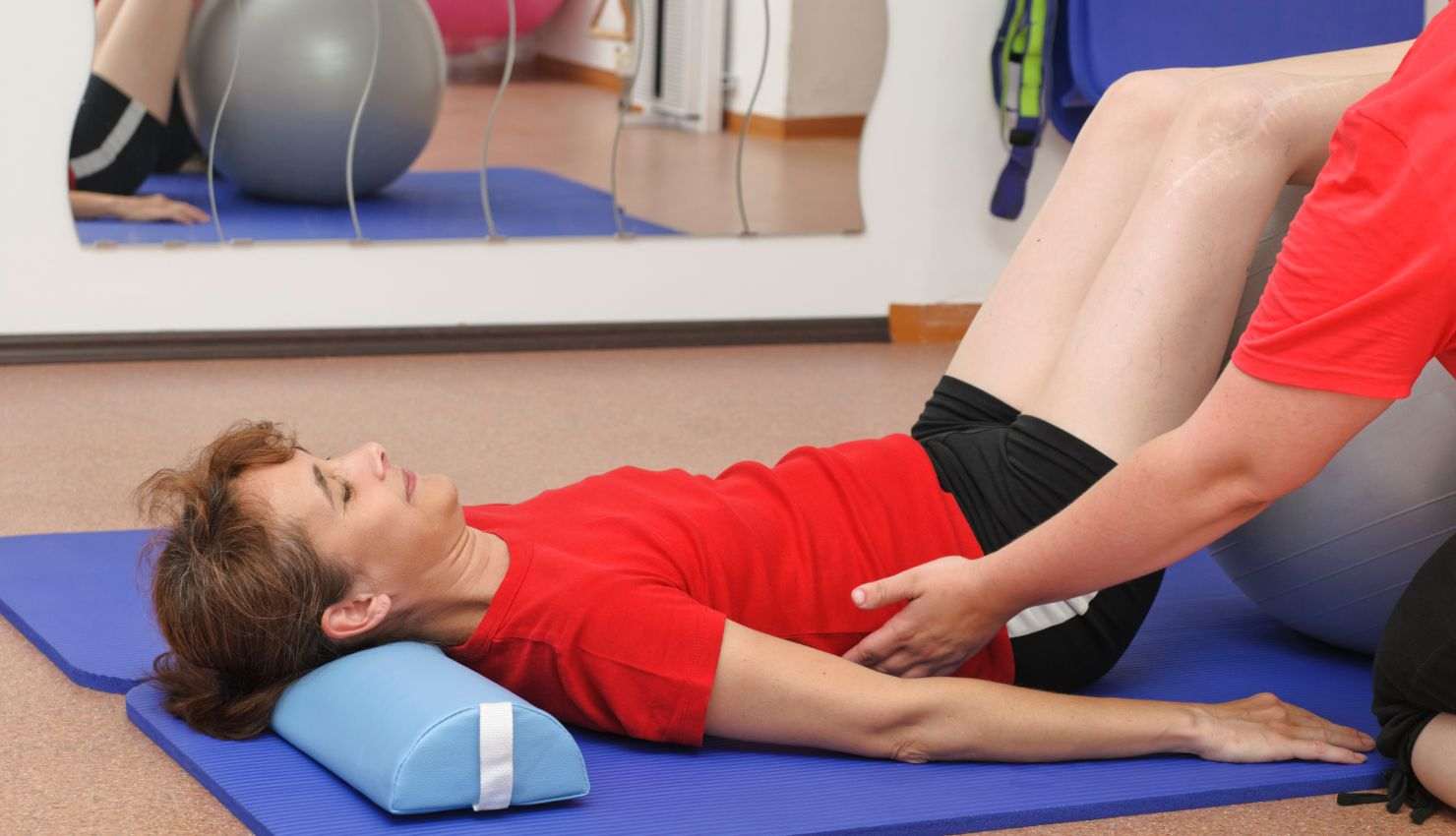
the hips and pelvis form the foundation of human movement, linking the upper and lower body while supporting posture, stability, and locomotion. When this area is weak, misaligned, or dysfunctional, it can lead to pain, movement limitations, and problems in the spine, knees, or even feet.
Movement therapy provides a holistic and functional approach to restoring hip and pelvic health by improving alignment, mobility, strength, and neuromuscular control.
Why Hip and Pelvic Health Matters
The hip and pelvic region plays a critical role in:
Weight-bearing and shock absorption
Walking, running, and lifting
Core and spinal stability
Pelvic floor support for continence and organ health
Balance and posture
Issues in this area can contribute to:
Hip impingement or bursitis
Pelvic floor dysfunction
Lower back pain
Sciatica or nerve compression
Gait abnormalities
How Movement Therapy Supports Hip and Pelvic Function
1. Restoring Joint Mobility
Limited hip mobility restricts functional movement and can cause the pelvis and spine to compensate. Movement therapy uses gentle, guided techniques to restore range of motion.
Examples:
Hip circles and windshield wipers
Deep squat mobilizations
Controlled leg swings and hip openers
Benefits:
Reduces joint stiffness
Improves gait and posture
Relieves pressure on the lower back
2. Activating Core and Pelvic Floor Muscles
A strong pelvic floor and deep core (transverse abdominis) support both pelvic stability and continence.
Examples:
Diaphragmatic breathing
Pelvic tilts with core activation
Supine leg lifts with pelvic floor engagement
Benefits:
Enhances pelvic organ support
Improves postural control
Prevents incontinence and prolapse
3. Strengthening the Hip Stabilizers
Weak glutes, deep hip rotators, and abductors can lead to poor alignment and injury. Movement therapy targets these muscles to create a stable, supported pelvis.
Examples:
Glute bridges and clamshells
Side-lying leg raises
Monster walks with resistance bands
Benefits:
Improves walking, running, and standing posture
Reduces strain on the knees and lower back
Enhances balance and injury prevention
4. Improving Posture and Pelvic Alignment
Prolonged sitting or habitual poor posture can tilt the pelvis anteriorly or posteriorly, affecting movement mechanics and organ function.
Examples:
Functional movement re-training
Standing posture drills
Seated pelvic alignment corrections
Benefits:
Promotes spinal neutrality
Supports optimal muscle recruitment
Alleviates tension in the lower back and hips
5. Coordinating Movement Patterns
Movement therapy uses full-body patterns to train how the hips and pelvis work with the spine and limbs.
Examples:
Squat and hinge progressions
Step-ups and lunges with controlled form
Gait retraining for pelvic rhythm
Benefits:
Reinforces natural movement efficiency
Supports athletic performance and daily function
Prevents recurring strain or dysfunction
Common Conditions Benefited by Hip and Pelvic Movement Therapy
Hip osteoarthritis or labral tears
Pelvic floor dysfunction (e.g., incontinence, prolapse)
SI joint instability
Postpartum recovery
Chronic hip or groin pain
Lower back and sacral discomfort
Conclusion
Movement therapy plays a vital role in restoring and maintaining hip and pelvic health. Through guided, functional exercises and awareness-based techniques, individuals can regain strength, improve mobility, and prevent future injuries. Whether recovering from injury, managing chronic pain, or enhancing athletic performance, this approach empowers long-term wellness from the core outward.