Movement therapy, also known as therapeutic exercise or movement-based rehabilitation, pla…

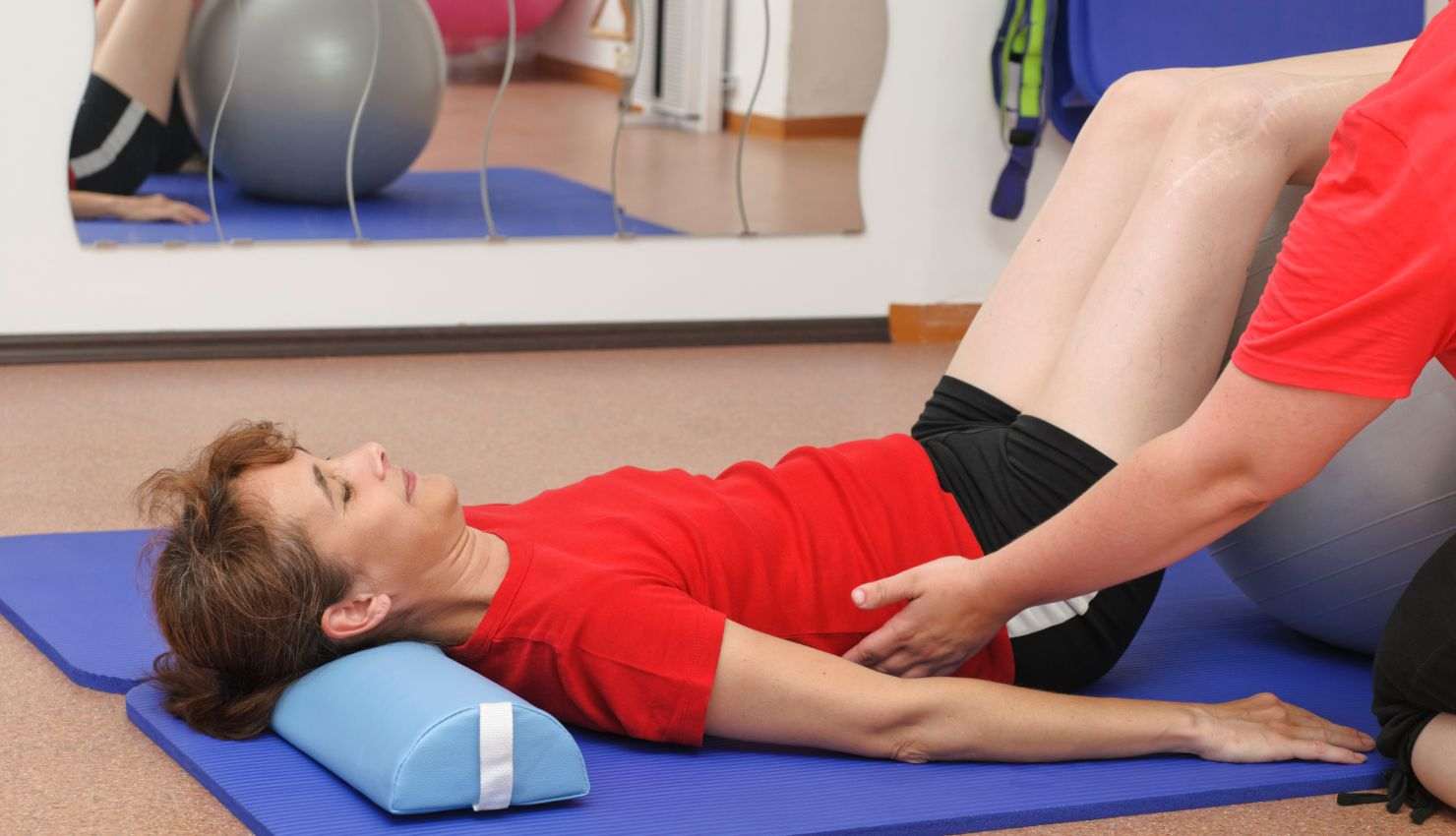
Movement therapy, also known as therapeutic exercise or movement-based rehabilitation, plays a vital role in both the prevention of injuries and the recovery process following injury. By focusing on improving functional movement, strength, flexibility, posture, and neuromuscular control, movement therapy helps individuals maintain physical health and resilience while supporting the healing process after injuries occur.
1. Injury Prevention Through Movement Therapy
a. Enhancing Body Awareness and Motor Control
Movement therapy encourages proper body mechanics and postural alignment, reducing strain on joints and muscles. Techniques such as proprioceptive training improve body awareness, helping individuals move more efficiently and safely.
b. Improving Muscle Balance and Flexibility
Muscle imbalances (e.g., tight hip flexors with weak glutes) can lead to compensatory patterns that increase injury risk. Movement therapy addresses these imbalances through targeted stretching and strengthening exercises, promoting functional symmetry.
c. Increasing Joint Stability and Mobility
Stabilizing joints (such as the knees, shoulders, and spine) through neuromuscular exercises improves dynamic stability and reduces the risk of sprains, dislocations, and overuse injuries.
d. Promoting Optimal Movement Patterns
Functional training, including squats, lunges, and core stabilization, helps retrain natural movement patterns, ensuring the body can handle daily tasks and athletic demands with minimal risk.
e. Reducing Overuse and Compensatory Stress
By correcting movement dysfunctions, movement therapy can prevent chronic overuse injuries such as tendonitis, bursitis, or stress fractures, particularly in repetitive-motion activities or sports.
2. Movement Therapy in Injury Recovery
a. Accelerating the Healing Process
Guided therapeutic movements stimulate blood flow, lymphatic drainage, and tissue regeneration, facilitating the healing of injured tissues while preventing secondary complications like stiffness and atrophy.
b. Restoring Range of Motion (ROM)
Post-injury or post-surgery, movement therapy uses gentle mobilization and stretching to regain lost ROM, which is crucial for restoring function and independence.
c. Rebuilding Strength and Endurance
Progressive resistance exercises help recondition the muscles around the injured area, restoring strength without overloading the healing tissues.
d. Preventing Re-injury
A personalized movement therapy plan retrains the body to perform safer movement strategies, ensuring the patient returns to activity with improved mechanics and decreased risk of re-injury.
e. Psychological Benefits
Movement therapy supports the mental aspect of recovery by reducing fear of movement (kinesiophobia), building confidence, and improving mood through physical activity.
3. Techniques Used in Movement Therapy
Dynamic Stretching & Myofascial Release
Functional Strength Training
Proprioceptive and Balance Training
Corrective Exercises
Joint Mobilization Techniques
Neuromuscular Re-education
4. Applications Across Populations
Athletes: For performance optimization and sport-specific injury prevention
Older Adults: To reduce fall risk and maintain mobility
Post-Surgical Patients: To restore function and range of motion
Chronic Pain Sufferers: For managing pain and improving daily function