The Role of Movement Therapy in Injury Prevention for Runners Why Runners Are Prone to Inj…

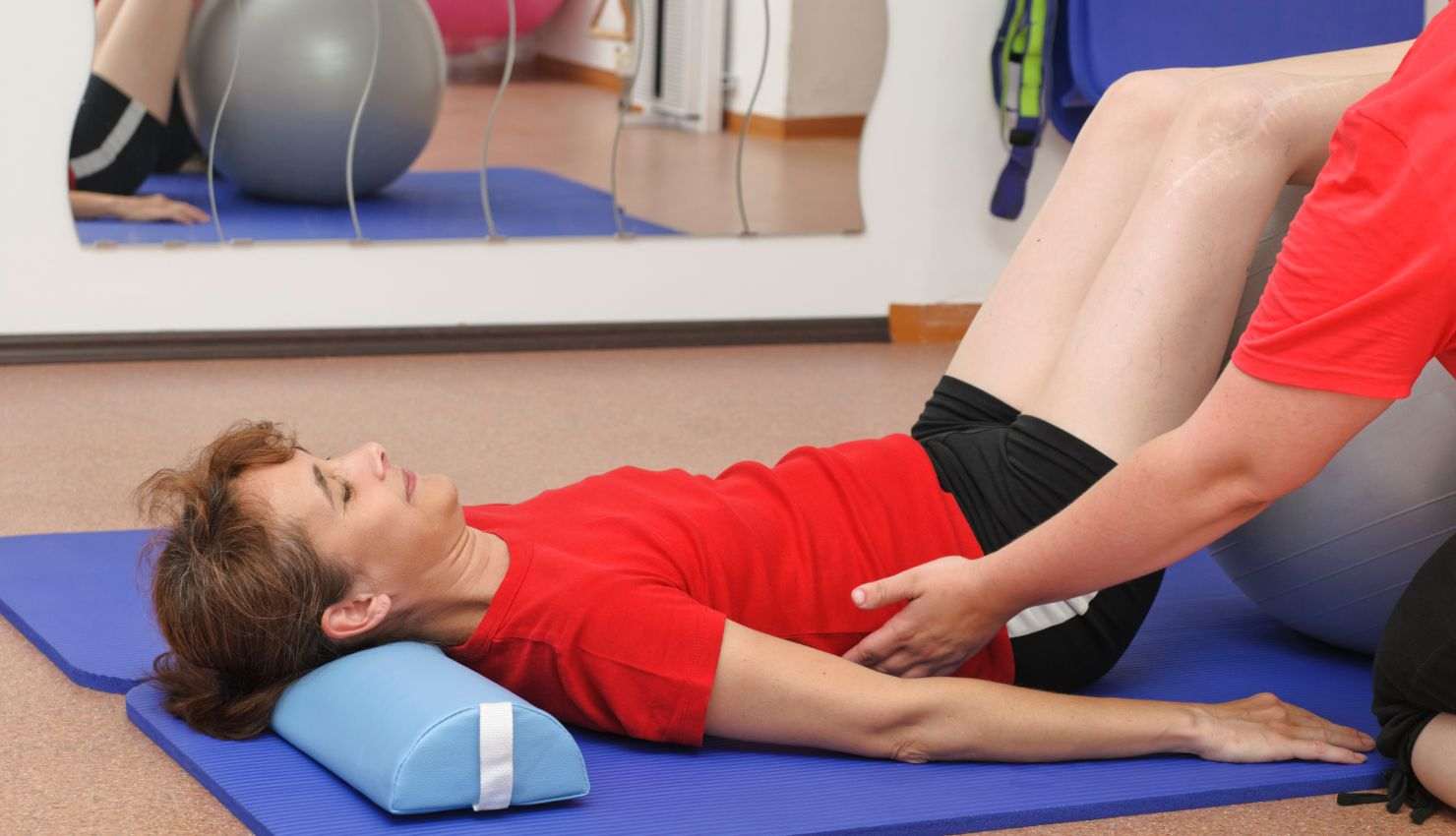
The Role of Movement Therapy in Injury Prevention for Runners
Why Runners Are Prone to Injury:
Repetitive impact and overuse stress on muscles, joints, and tendons
Muscle imbalances and weakness leading to poor running mechanics
Limited flexibility causing restricted movement patterns
Fatigue affecting neuromuscular control and coordination
How Movement Therapy Helps Prevent Running Injuries:
1. Corrects Muscle Imbalances
Targets weak or tight muscles that disrupt running form.
Strengthens underactive muscles (like glutes and core) and stretches overactive muscles (like hip flexors and calves).
2. Improves Running Biomechanics
Movement therapy retrains proper gait and posture.
Enhances coordination and efficiency, reducing undue stress on tissues.
3. Enhances Flexibility and Mobility
Regular stretching and mobility drills maintain joint range of motion.
Prevents stiffness that can lead to compensatory injuries.
4. Builds Core and Lower Limb Stability
A strong core stabilizes the pelvis and spine.
Improved hip, knee, and ankle stability reduces the risk of strains and sprains.
5. Boosts Neuromuscular Control and Balance
Balance and proprioceptive exercises sharpen reflexes and body awareness.
Helps runners adjust to uneven terrain and prevent falls.
Common Running Injuries Movement Therapy Can Help Prevent:
Runners knee (patellofemoral pain syndrome)
IT band syndrome
Achilles tendinopathy
Shin splints
Hamstring strains
Sample Movement Therapy Exercises for Runners
Exercise Purpose
Glute bridges Strengthen glutes for pelvic stability
Clamshells Target hip external rotators
Single-leg balance drills Improve proprioception and balance
Calf stretches Enhance ankle flexibility
Dynamic lunges Increase hip mobility and strength
Core planks Build core stability
Tips for Runners:
Include movement therapy 2-3 times per week.
Warm up and cool down with dynamic stretches.
Listen to your body and modify exercises as needed.
Combine with proper running shoes and technique coaching.