Movement therapy is a clinically proven and holistic approach to managing pain and support…

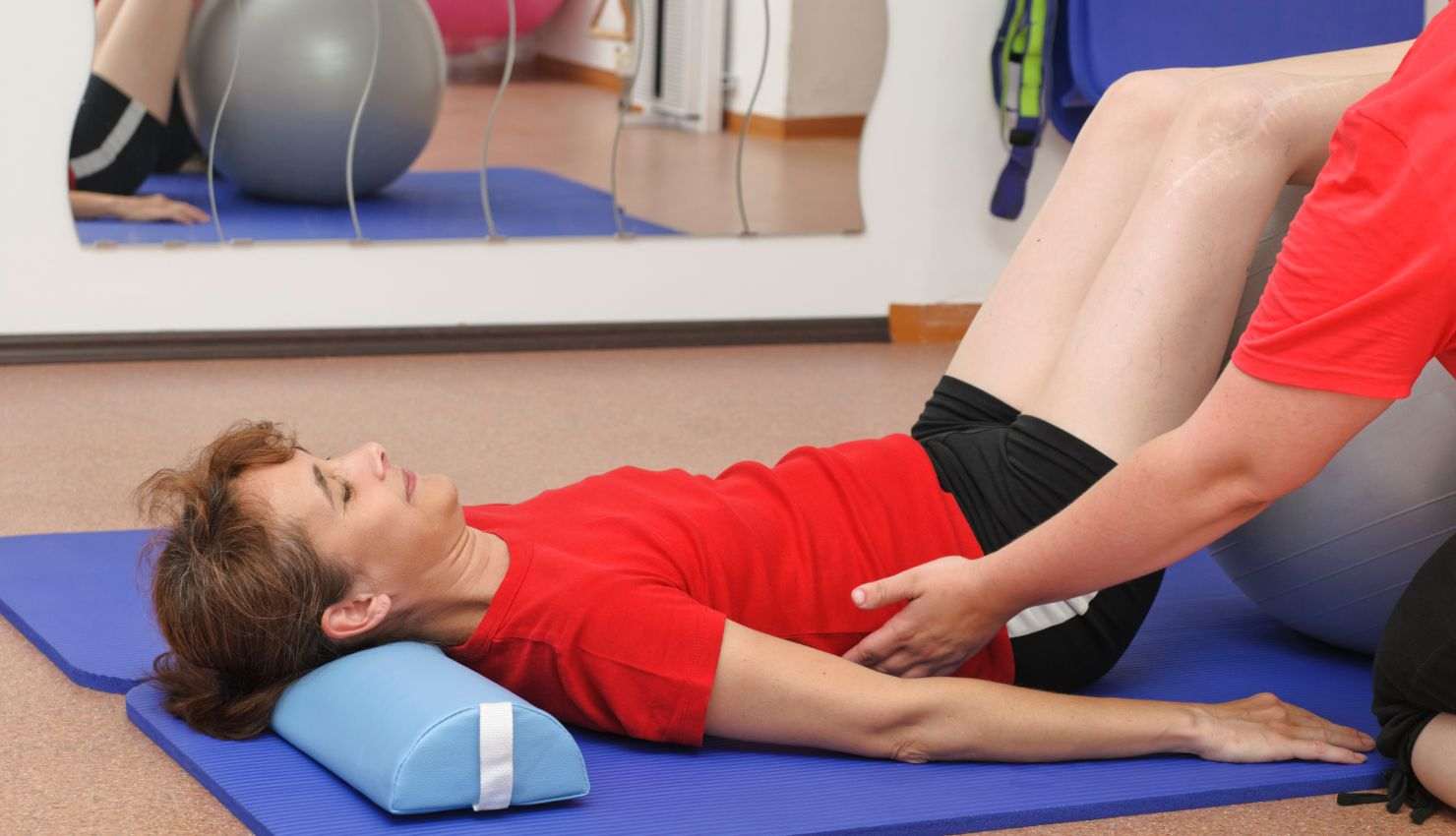
Movement therapy is a clinically proven and holistic approach to managing pain and supporting recovery after injury, surgery, or illness. Rather than focusing solely on symptom relief, it promotes restorative movement, neuromuscular retraining, and functional mobility to address the underlying causes of pain and support the body’s natural healing process.
This method combines elements of physical rehabilitation, body awareness, posture correction, and mindful motion to create a personalized, progressive pathway toward pain relief and full recovery.
?? How Pain Develops And Why Movement Matters
Chronic or acute pain is often linked to:
Muscle imbalances and compensatory patterns
Joint stiffness and inflammation
Reduced blood flow and tissue healing
Nervous system sensitization
Emotional tension and fear of movement (kinesiophobia)
Prolonged rest or immobility often worsens these issues. Controlled movement helps break this cycle by improving circulation, reducing muscle guarding, and retraining pain-free movement pathways.
?? How Movement Therapy Reduces Pain and Aids Recovery
? 1. Promotes Blood Flow and Healing
Gentle, structured movement increases circulation, delivering oxygen and nutrients to injured or inflamed tissues, which accelerates repair.
? 2. Restores Range of Motion and Reduces Stiffness
Therapeutic mobility exercises help loosen tight muscles, mobilize joints, and decrease stiffness, which are major contributors to persistent pain.
? 3. Re-educates the Nervous System
Repetitive, safe movement helps retrain the brain and nerves to interpret motion as non-threatening, reducing hypersensitivity and guarding responses.
? 4. Improves Posture and Alignment
Targeted movement improves structural balance, relieving pressure on joints, nerves, and tissuesespecially in the spine, shoulders, hips, and neck.
? 5. Builds Functional Strength and Stability
Therapy helps stabilize weak or overcompensating areas, preventing re-injury and reducing strain during everyday activities.
? 6. Reduces Stress and Enhances Emotional Well-being
Incorporating breathwork and mindful movement (e.g., yoga, Feldenkrais, or Tai Chi-inspired techniques) helps calm the nervous system and reduce pain perception.
?? Key Components of Pain-Relieving Movement Therapy
Technique Purpose
Joint mobility drills Loosens stiff areas, improves movement ease
Myofascial release movements Reduces tension in tight tissues
Breath-coordinated exercises Relaxes muscles, reduces sympathetic tone
Core activation and stabilization Supports posture and distributes load evenly
Movement pattern correction Prevents pain-causing habits and compensation
Functional strength and balance Supports safe daily movement and recovery
????? Sample Pain-Relief Movement Sequence (General)
Breath + body scan awareness (2 mins)
Gentle spinal mobilization (cat-cow, pelvic tilts) (3 mins)
Joint mobility (ankle circles, shoulder rolls, hip openers) (4 mins)
Postural activation (wall slides, core engagement) (3 mins)
Stretch-release flow (e.g., seated twist, neck release) (4 mins)
Cool-down with guided breathwork (23 mins)
Note: Specific movements should be tailored to the source and type of paine.g., back, neck, joint, or post-surgical recovery.
?? Benefits of Movement Therapy for Pain and Recovery
Alleviates chronic and acute pain
Enhances mobility and strength
Supports faster healing after injury or surgery
Prevents recurring issues by addressing root causes
Restores movement confidence and function
Improves mental clarity and emotional resilience