The Role of Movement Therapy in Preventing Hip Injuries 1. Improves Hip Joint Mobility Reg…

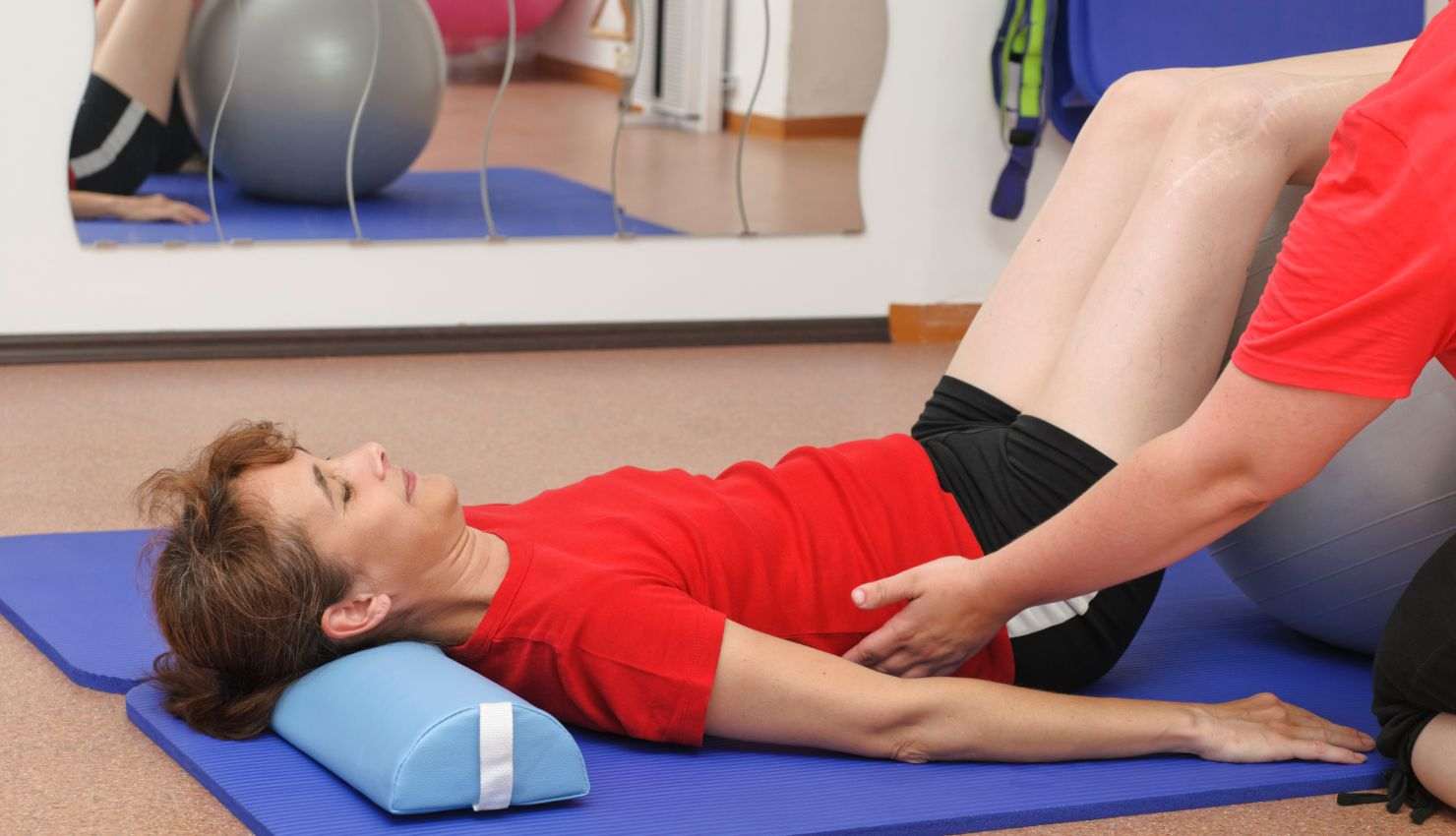
The Role of Movement Therapy in Preventing Hip Injuries
1. Improves Hip Joint Mobility
Regular movement exercises maintain and improve the hips range of motion.
Flexible hips are less prone to strains and tears.
2. Strengthens Surrounding Muscles
Strong muscles around the hip (glutes, hip flexors, adductors, abductors) stabilize the joint.
Muscle strength helps absorb impact and reduces joint stress.
3. Enhances Core and Pelvic Stability
Core muscles stabilize the pelvis and spine, promoting proper hip mechanics.
Improved stability reduces compensatory movements that can cause injury.
4. Corrects Movement Patterns
Movement therapy retrains proper gait, squat, and other functional movements.
Avoids abnormal stresses that increase injury risk.
5. Increases Balance and Proprioception
Better balance and body awareness help prevent falls and awkward movements.
Exercises challenge neuromuscular control around the hip.
6. Prepares for Physical Activity
Movement therapy conditions the hip for the demands of sport or daily activities.
Reduces risk of overuse injuries by promoting gradual adaptation.