After an injury (muscular, skeletal, or neurological), you may experience: Muscle weaknes…

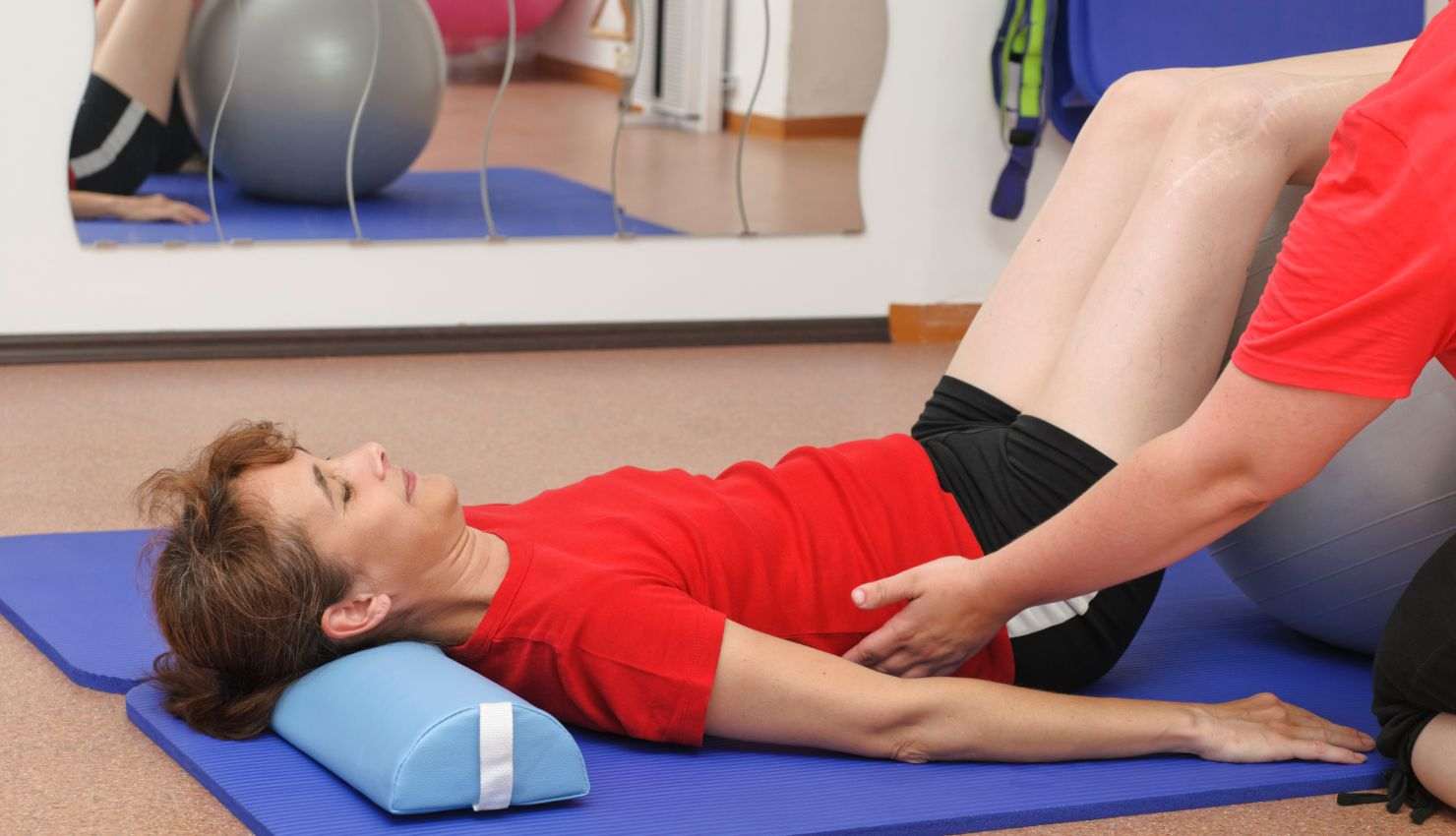
After an injury (muscular, skeletal, or neurological), you may experience:
Muscle weakness or atrophy
Reduced joint range of motion
Compensatory movement patterns
Pain, stiffness, or instability
Loss of coordination and balance
These effects can disrupt basic mobility and increase the risk of further injury if not addressed properly.
?? How Movement Therapy Helps
Movement therapy is a structured, progressive approach that helps retrain the body to move naturally and efficiently again. It combines:
Therapeutic exercise
Neuromuscular re-education
Balance and coordination training
Mobility and flexibility work
Core and postural strengthening
? Key Benefits of Movement Therapy After Injury
Restores Mobility and Flexibility
Loosens tight muscles and stiff joints that restrict movement.
Rebuilds Strength in Functional Patterns
Reinforces movements like squatting, lunging, or lifting with proper mechanics.
Retrains Muscle Activation and Coordination
Reactivates underused or inhibited muscles and improves timing between muscle groups.
Prevents Compensations and Reinjury
Corrects bad habits formed during recovery (e.g., limping or overusing one side).
Promotes Body Awareness (Proprioception)
Enhances stability and control, reducing fall and injury risk.
?? Examples of Movement Therapy Techniques by Phase
?? Early Recovery Phase (Mobility Focused)
Passive and active range of motion exercises
Gentle joint mobilizations
Soft tissue release and breathing work
?? Mid Recovery Phase (Strength & Stability)
Glute bridges, step-ups, or modified squats
Core activation and posture alignment drills
Balance on unstable surfaces (e.g., foam pads)
?? Advanced Phase (Functional Reintegration)
Dynamic movements: lunges, push-pull motions
Sport- or task-specific drills
Agility and directional control exercises
?? Sample Functional Movement Routine (Post-Injury)
Exercise Type Example Purpose
Mobility Cat-cow, hip circles, shoulder rolls Loosen joints and warm up
Core Activation Dead bug, bird-dog Build stability for safe movement
Strengthening Step-ups, glute bridge, wall push-ups Restore muscle function
Functional Drills Squat-to-reach, lunge-to-stand Rebuild everyday movement skills
?? Bonus: The Mind-Body Connection
Movement therapy also improves mental focus and confidence post-injury, which is vital for overcoming fear of movement and reintegrating into daily life or sport.
?? In Summary
Movement therapy:
Rebuilds strength, control, and range of motion
Repairs dysfunctional movement patterns
Bridges the gap between rehab and real-life performance
Empowers long-term, injury-resilient living