Movement therapy is emerging as a cornerstone of injury prevention in both recreational an…

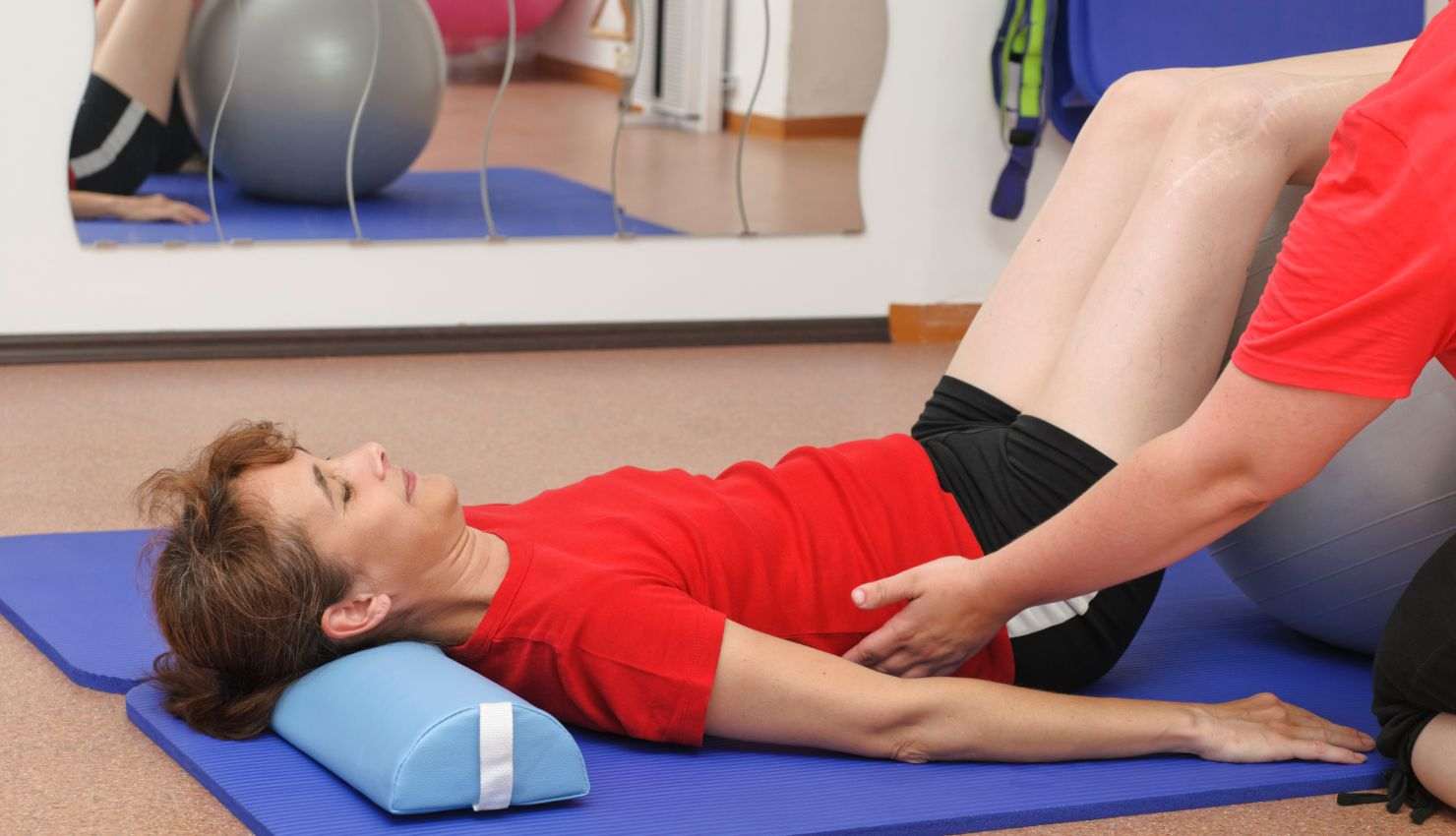
Movement therapy is emerging as a cornerstone of injury prevention in both recreational and elite sports. Unlike traditional exercise programs that focus solely on strength or endurance, movement therapy emphasizes neuromuscular control, body mechanics, mobility, and balanced movement patterns. These elements are critical in reducing the risk of both acute and overuse injuries in athletes.
? Why Injury Prevention Matters in Sports
Minimizes time away from training and competition
Prevents long-term joint damage and degeneration
Improves overall athletic performance
Reduces healthcare costs and reliance on medication
Boosts athlete confidence and psychological resilience
?? How Movement Therapy Helps Prevent Injuries
1. Corrects Movement Dysfunctions and Imbalances
Poor movement patterns like valgus knees, hip drop, or rounded shoulders increase the risk of injury. Movement therapy helps:
Identify faulty mechanics through assessment
Retrain proper alignment and joint tracking
Address overuse or compensation habits
?? Result: More efficient, safe movement in both training and competition.
2. Enhances Mobility and Flexibility
Restricted joints and tight muscles can lead to improper loading and joint stress. Movement therapy includes:
Dynamic mobility drills (e.g., hip openers, ankle dorsiflexion)
Myofascial release techniques
Active stretching routines
?? Result: Greater joint range of motion and reduced injury risk from restricted movement.
3. Builds Core and Joint Stability
Weak stabilizing muscles allow excessive joint motion under load. Movement therapy:
Targets deep core (transverse abdominis, multifidus)
Strengthens shoulder and hip girdles
Improves dynamic stability (e.g., anti-rotation, single-leg balance)
?? Result: Greater joint protection and resilience under stress.
4. Improves Neuromuscular Control and Proprioception
Many injuries occur due to delayed or inappropriate muscle responses. Movement therapy:
Enhances coordination and timing
Develops joint awareness through balance and reaction drills
Conditions the nervous system to respond quickly to dynamic changes
?? Result: Better reflexive control and reduced injury during rapid or unpredictable movement.
5. Promotes Symmetry and Balanced Strength
Unilateral sports (e.g., tennis, baseball) or poor training habits often cause muscular imbalances. Movement therapy addresses:
Strengthening weaker muscles
Releasing overactive or dominant areas
Equalizing movement quality side-to-side
?? Result: Reduces asymmetrical wear and risk of overuse injuries.
?? Movement Therapy vs. Traditional Training for Injury Prevention
Component Traditional Training Movement Therapy
Focus Strength and endurance Quality of movement
Assessment General fitness tests Functional movement screening
Customization Standard routines Tailored to individual’s movement patterns
Outcomes Strength gains Injury resilience and movement efficiency
?????? Sample Movement Therapy Drills for Injury Prevention
Drill Purpose Injury Prevention Benefit
Single-leg Romanian deadlifts Hip hinge, balance Prevents ACL/knee injuries
Monster walks (with bands) Glute activation Stabilizes pelvis, protects hips/knees
Dynamic ankle mobility lunges Ankle dorsiflexion Reduces Achilles and shin injuries
Scapular push-ups Shoulder control Prevents rotator cuff strain
Core anti-rotation press (Pallof press) Core stability Protects spine under rotation
?? Sports Injuries Most Commonly Prevented
Sport Common Injuries Movement Therapy Prevention Focus
Soccer ACL tears, groin pulls Hip control, deceleration, landing mechanics
Basketball Ankle sprains, knee pain Ankle mobility, proprioception, knee tracking
Tennis Rotator cuff injuries Scapular stability, thoracic mobility
Running Shin splints, IT band syndrome Hip stability, foot mechanics
Swimming Shoulder impingement Rotator cuff strength, scapular control
?? Movement Therapy Assessment Tools
Functional Movement Screen (FMS)
Y-Balance Test
Single-leg squat test
Posture and gait analysis
Mobility screening (hip, ankle, thoracic spine)
These tools help identify risk factors before an injury occurs and guide the design of personalized prevention programs.
????? Integrating Movement Therapy into Sports Training
Warm-up Phase Include dynamic mobility and neuromuscular activation
Skill/Technique Drills Focus on proper body mechanics
Cool-down Phase Use movement-based recovery (e.g., mobility flow, fascia release)
Off-Season Emphasize corrective movement and cross-training
Rehabilitation to Performance Transition Blend movement therapy into return-to-play protocols