Chronic painpersistent discomfort lasting more than three monthscan affect every aspect…

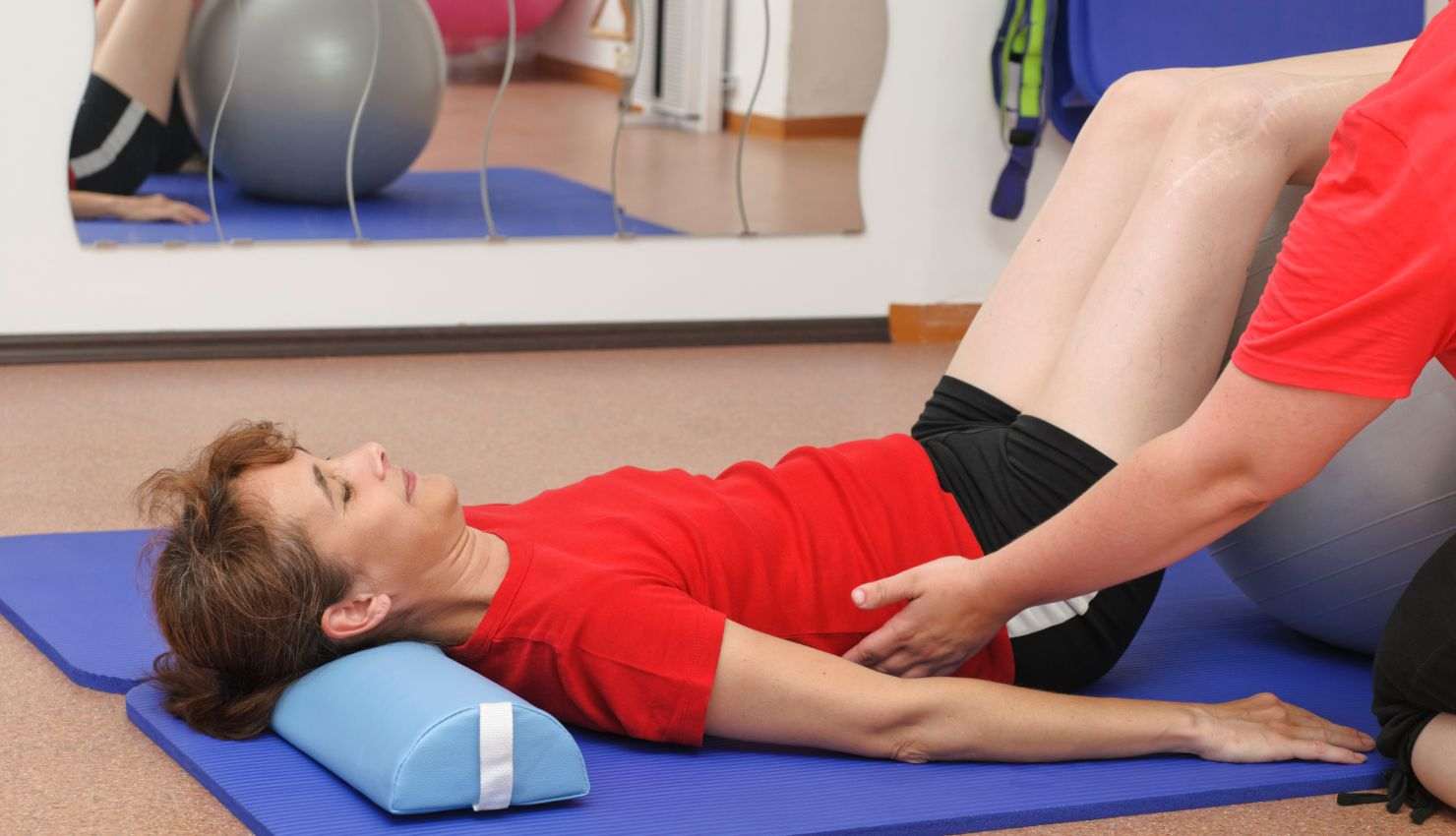
Chronic painpersistent discomfort lasting more than three monthscan affect every aspect of life, from mobility and mood to sleep and overall function. Movement therapy offers a non-invasive, personalized, and holistic approach to managing and reducing chronic pain by retraining the body to move safely and efficiently.
1. Breaking the Pain-Tension Cycle
When pain persists, the body often reacts with muscle guarding and reduced activity, which leads to further stiffness, weakness, and paina cycle that can be hard to break. Movement therapy introduces gentle, controlled movements that help:
Release muscle tension
Improve circulation
Interrupt pain signals to the brain
Techniques used: Somatic exercises, low-impact functional movement, and guided mobility drills.
2. Improving Body Awareness and Alignment
Chronic pain often alters how people movecausing compensations and postural imbalances. Movement therapy focuses on realigning posture and correcting movement patterns to:
Reduce strain on joints and muscles
Improve spinal and joint alignment
Prevent further injury
Techniques used: Feldenkrais Method, Alexander Technique, and posture re-education.
3. Enhancing Joint Mobility and Flexibility
Many chronic pain conditions, such as arthritis or fibromyalgia, involve joint stiffness. Movement therapy promotes safe, progressive range-of-motion exercises that help:
Increase mobility without overstressing joints
Maintain tissue health
Support functional independence
Techniques used: Dynamic stretching, mobility drills, and water-based therapy.
4. Building Strength and Endurance Safely
Deconditioning due to pain can lead to muscle atrophy and fatigue. Movement therapy uses gradual, adaptive strengthening to build muscle support around painful areas while avoiding flare-ups.
Restores functional strength
Increases load tolerance
Boosts stamina for daily activities
Techniques used: Resistance bands, bodyweight training, isometric holds, and functional exercises.
5. Supporting Nervous System Regulation
Chronic pain sensitizes the nervous system, making it more reactive to pain stimuli. Movement therapy helps recalibrate the nervous system by incorporating:
Mindful movement
Breath work
Relaxation techniques
These promote parasympathetic (rest-and-digest) activity, calming the system and reducing pain perception.
6. Empowering Patients Through Active Participation
Unlike passive treatments (e.g., medications or modalities), movement therapy actively engages patients in their healing. This fosters:
A sense of control and confidence
Better adherence to self-care
Long-term improvements in function and well-being
Common Chronic Pain Conditions Treated with Movement Therapy
Low back pain
Neck and shoulder pain
Fibromyalgia
Osteoarthritis and rheumatoid arthritis
Chronic pelvic pain
Post-surgical or post-traumatic pain
Conclusion
Movement therapy is a powerful, evidence-based tool for managing chronic pain. By addressing the root causes of painpoor movement, stress, and weaknessit offers lasting relief and improves physical and emotional health. With professional guidance and a personalized approach, individuals can regain function, reduce reliance on medications, and reclaim their quality of life.