Making movement therapy part of your daily life doesnt have to be time-consuming or compl…

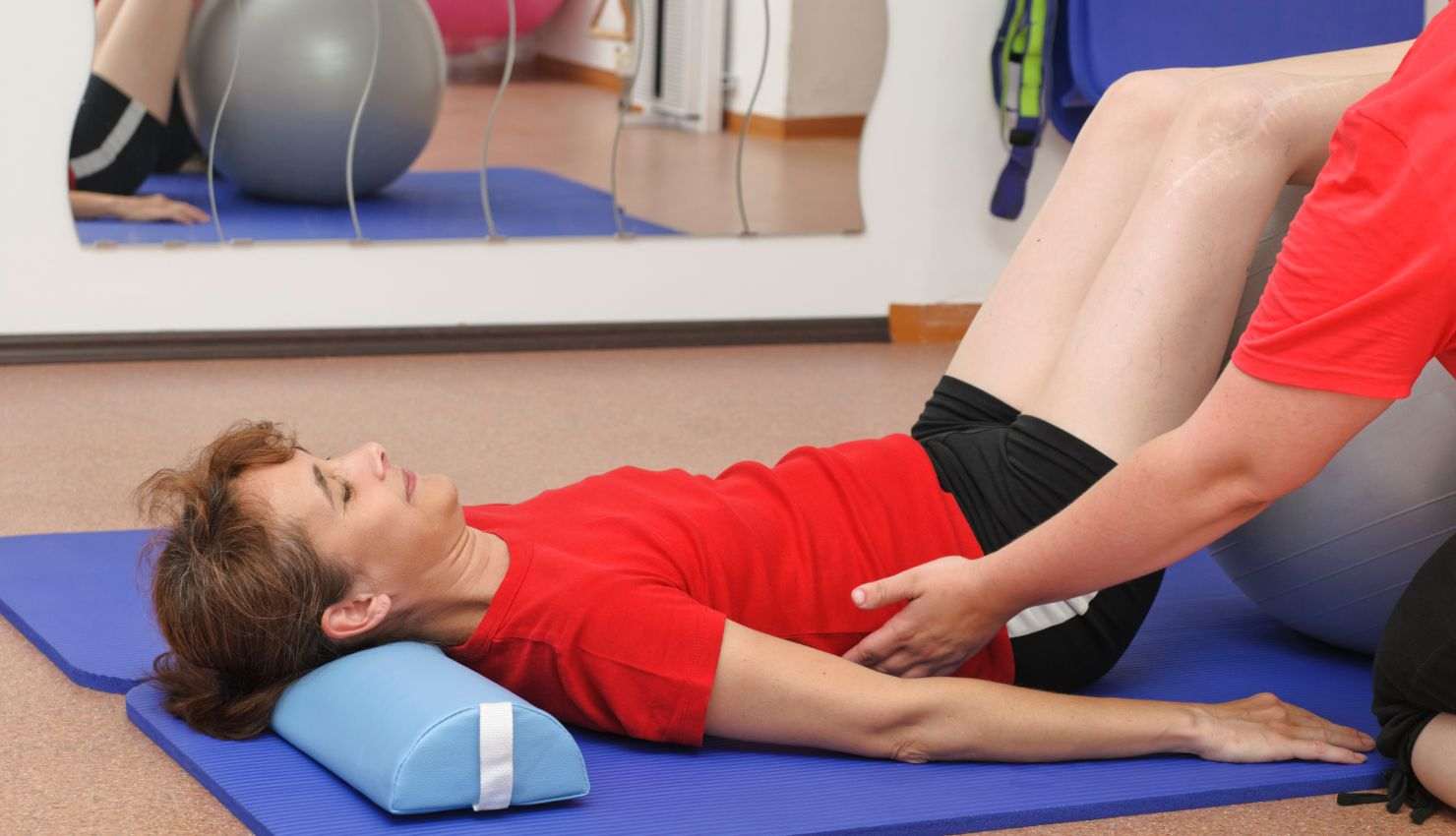
Making movement therapy part of your daily life doesnt have to be time-consuming or complex. Small, consistent actions can lead to big improvements in managing chronic pain, especially when they are gentle, mindful, and enjoyable. Heres how to seamlessly integrate movement therapy into your routine:
1. Start with a Morning Mobility Routine (510 minutes)
Begin your day with simple, low-intensity movements to ease stiffness and awaken your body:
Gentle stretches in bed or standing (neck rolls, shoulder shrugs, cat-cow, spinal twists).
Breathwork combined with movement, such as raising arms with an inhale and lowering with an exhale.
Mindful check-in: Notice how your body feels before and after.
? Time needed: 510 minutes
2. Break Up Sedentary Time
If you sit for long periods (e.g., at a desk or watching TV), incorporate movement therapy snacks:
Stand up every 3060 minutes to do light stretching or walking.
Practice gentle shoulder rolls, hip circles, or foot flexes at your desk.
Use a reminder app or timer to prompt movement breaks.
? Time needed: 13 minutes per break
3. Use Everyday Activities as Movement Opportunities
Turn daily tasks into therapeutic movement moments:
Mindful walking while grocery shopping or around the housefocus on posture, step placement, and breathing.
Stretch while waitingat the sink, microwave, or while brushing your teeth.
Use stairs as a chance to move with intention, maintaining awareness of each step and breath.
? Time needed: Integrated into daily tasks
4. Add a Short Movement Session to Your Evening
Wind down with calming movement that supports rest and recovery:
Tai Chi or gentle yoga flow to reduce tension and stress.
Feldenkrais-inspired movements to calm the nervous system.
Progressive relaxation or light floor stretches while watching TV or listening to music.
? Time needed: 1015 minutes
5. Make It Enjoyable and Consistent
Choose what you enjoydance, stretching, light yoga, walking outdoors.
Create a small space at home for your movement practice.
Pair movement with habits you already have (e.g., stretch after brushing teeth).
Track your progress or journal how movement affects your pain and mood