The Role of Movement Therapy in Treating Scoliosis What Is Scoliosis? A condition characte…

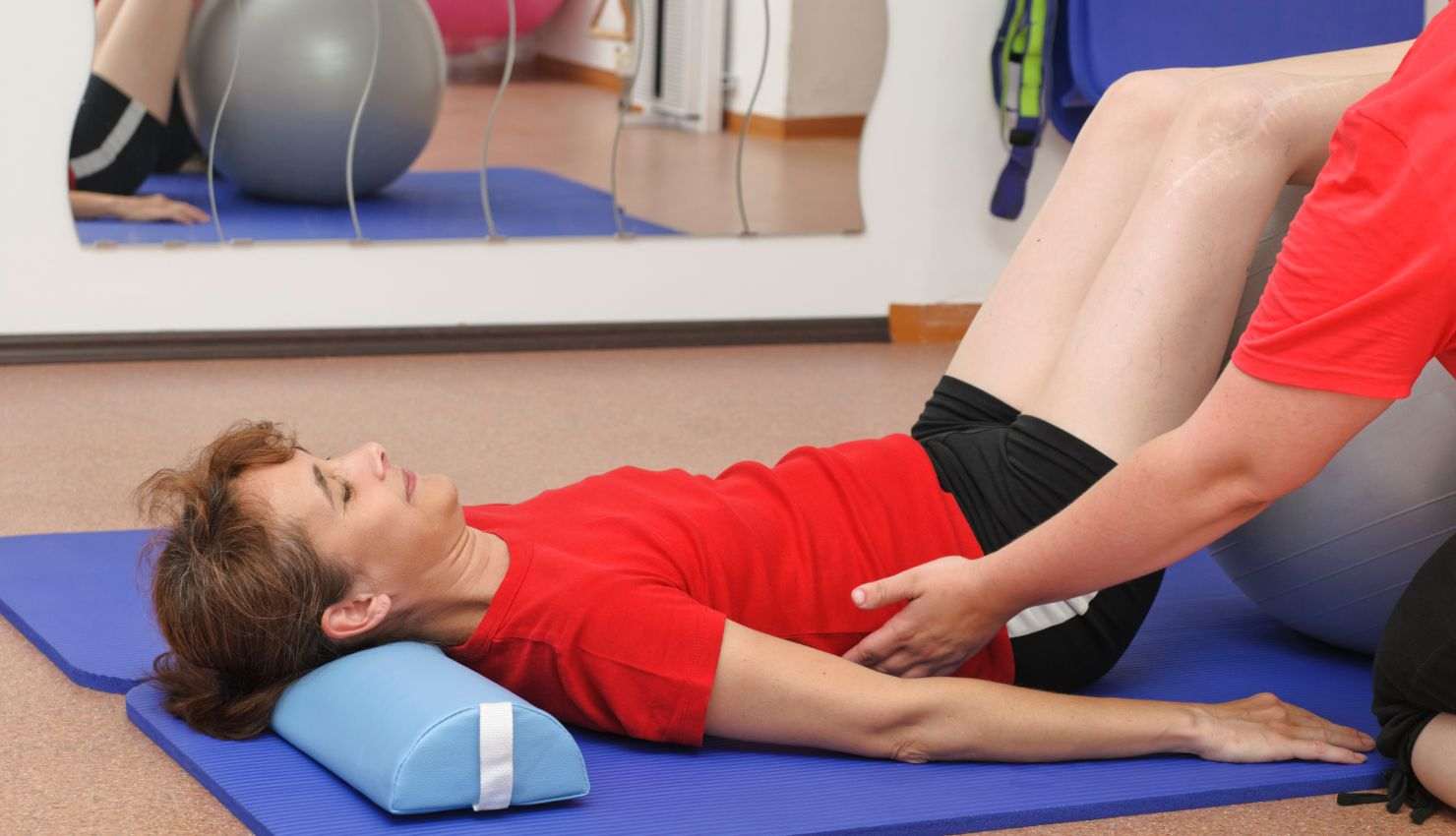
The Role of Movement Therapy in Treating Scoliosis
What Is Scoliosis?
A condition characterized by an abnormal lateral curvature of the spine.
Can cause uneven shoulders, hips, and back pain.
Severity ranges from mild to severe, sometimes requiring surgery.
How Movement Therapy Helps in Scoliosis:
1. Improves Spinal Flexibility and Mobility
Stretching and mobilization target tight muscles and connective tissues on the concave side of the curve.
Enhances overall spinal movement.
2. Strengthens Muscles for Postural Support
Focuses on strengthening the weak muscles on the convex side to improve spinal alignment.
Promotes muscular balance to reduce curve progression.
3. Enhances Postural Awareness and Control
Teaches patients to maintain better posture during daily activities.
Movement therapy improves proprioception and body awareness.
4. Reduces Pain and Discomfort
Alleviates muscle tension and joint stress related to scoliosis.
Improves breathing mechanics through rib cage mobility exercises.
5. Prevents or Slows Progression
Consistent therapy helps manage mild to moderate scoliosis and can reduce the need for surgical intervention.
Common Movement Therapy Techniques for Scoliosis:
Technique Purpose
Schroth Method Specialized exercises to de-rotate and elongate the spine
Pilates Core strengthening and postural control
Yoga Flexibility, breathing, and balance
Targeted stretching Release tight muscles and improve mobility
Strength training Correct muscular imbalances
Sample Scoliosis Movement Therapy Routine
Breathing exercises with rib cage expansion 5 minutes
Side-lying stretches on the concave side hold 30 seconds, 3 reps
Core strengthening with Pilates-based exercises 10 minutes
Postural control drills (wall angels, chin tucks) 5 minutes
Gentle spinal mobilizations 5 minutes
Important Notes:
Movement therapy should be tailored to each individual’s curve pattern and severity.
Regular monitoring by a healthcare professional is essential.
Combining therapy with bracing or other treatments may be recommended.