Sports-related strains (injuries to muscles or tendons) and sprains (injuries to ligaments…

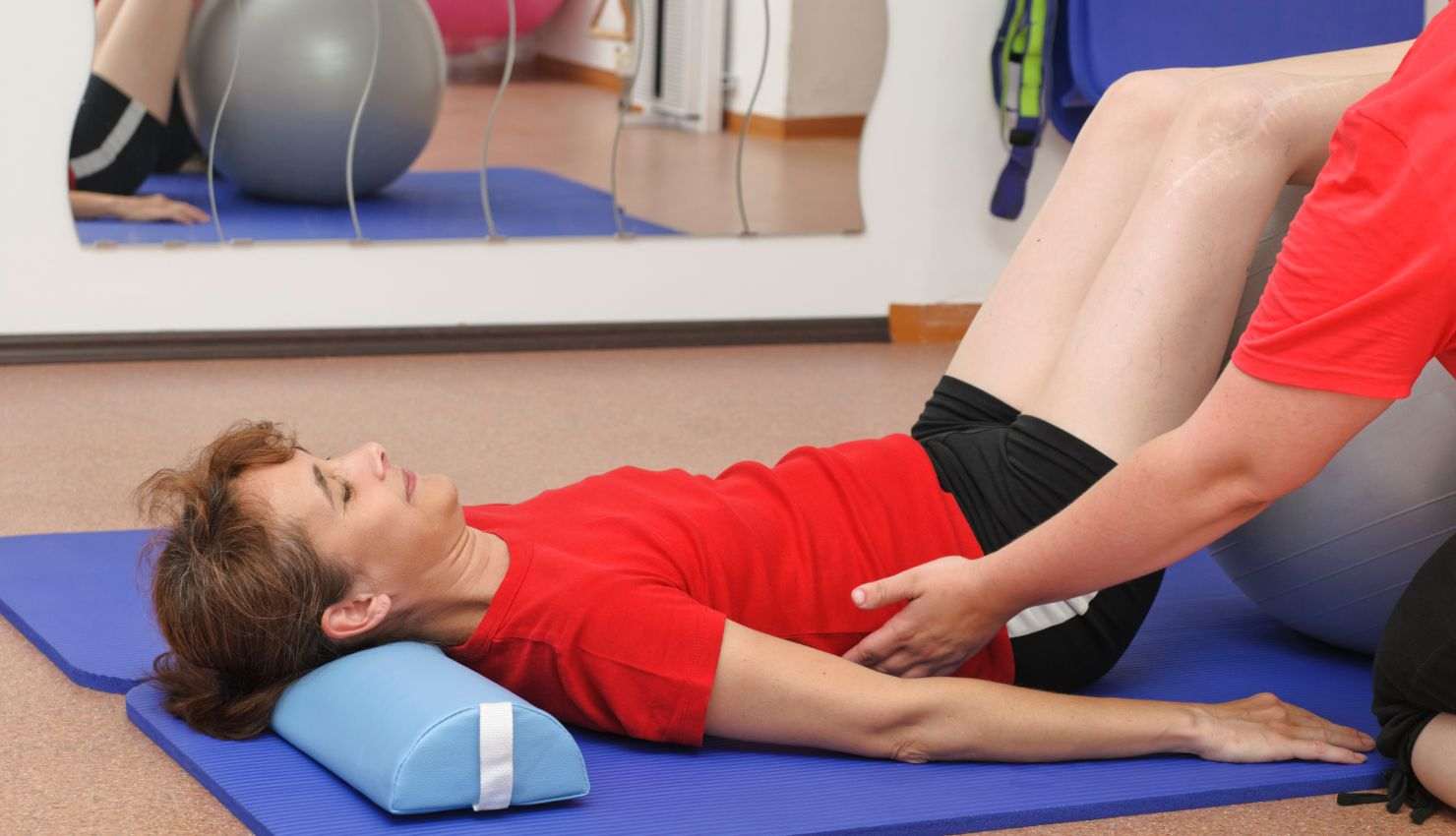
Sports-related strains (injuries to muscles or tendons) and sprains (injuries to ligaments) are common among athletes and active individuals. These injuries can lead to pain, swelling, reduced function, and downtime from training or competition. Movement therapy is a key component of the rehabilitation process, focusing on restoring normal function, promoting healing, and preventing future injuries.
?? Understanding Strains and Sprains
Strains: Overstretching or tearing of muscles or tendons (e.g., hamstring strain).
Sprains: Stretching or tearing of ligaments (e.g., ankle sprain).
These injuries often result from:
Sudden twisting or impact
Overuse or fatigue
Poor warm-up or technique
Muscle imbalances or inadequate flexibility
? How Movement Therapy Supports Recovery
1. Protects and Supports Healing Tissues
Early movement therapy begins with gentle, pain-free exercises to promote circulation and tissue regeneration without overloading injured structures.
Helps prevent muscle atrophy and joint stiffness during the initial healing phase.
2. Reduces Pain and Swelling
Light movements improve lymphatic flow and blood circulation, which helps decrease inflammation and pain.
Avoids prolonged immobilization, which can delay healing.
3. Restores Range of Motion (ROM)
Movement therapy uses controlled stretching and joint mobilization to recover normal ROM lost due to swelling, scar tissue, or guarding.
4. Rebuilds Strength and Stability
Once the injury has stabilized, resistance training and stabilization exercises are introduced to restore muscle strength, tendon resilience, and joint support.
Focuses on the injured area and surrounding muscles to support overall joint integrity.
5. Re-trains Functional Movement Patterns
Athletes relearn how to move efficiently and safely through sports-specific drills, functional training, and balance work.
Emphasizes proper biomechanics to reduce risk of re-injury.
6. Enhances Proprioception and Neuromuscular Control
Sprains and strains often impair proprioception (body awareness), increasing the risk of future injury.
Movement therapy uses balance, coordination, and reaction drills to restore joint stability and control.
?? Phases of Movement Therapy in Sports Injury Rehab
Phase Focus
Acute Phase (07 days) Rest, pain control, gentle mobility (e.g., PROM, AAROM)
Subacute Phase (13 weeks) ROM, light strength, proprioception work
Remodeling Phase (36 weeks) Strengthening, dynamic control, sport-specific drills
Return-to-Play Phase (6+ weeks) High-intensity, agility, endurance, movement correction
??? Common Movement Therapy Techniques
Technique Purpose
Passive and Active Range of Motion Restore joint mobility
Resistance Band Exercises Controlled strengthening of healing tissues
Balance and Stability Training Rebuild proprioception and joint control
Soft Tissue Mobilization Release adhesions, improve muscle function
Functional Movement Retraining Restore natural and safe movement mechanics
Plyometric and Agility Drills Prepare for return to sports activities
?? Who Benefits?
Athletes with recent strains or sprains
Recreational exercisers returning from injury
Post-operative cases (e.g., ligament repair)
Individuals with chronic or recurring soft tissue injuries
?? Long-Term Benefits of Movement Therapy
Faster recovery and safe return to sport
Reduced risk of re-injury
Improved overall strength and mobility
Better body awareness and technique
Mental confidence in physical performance